
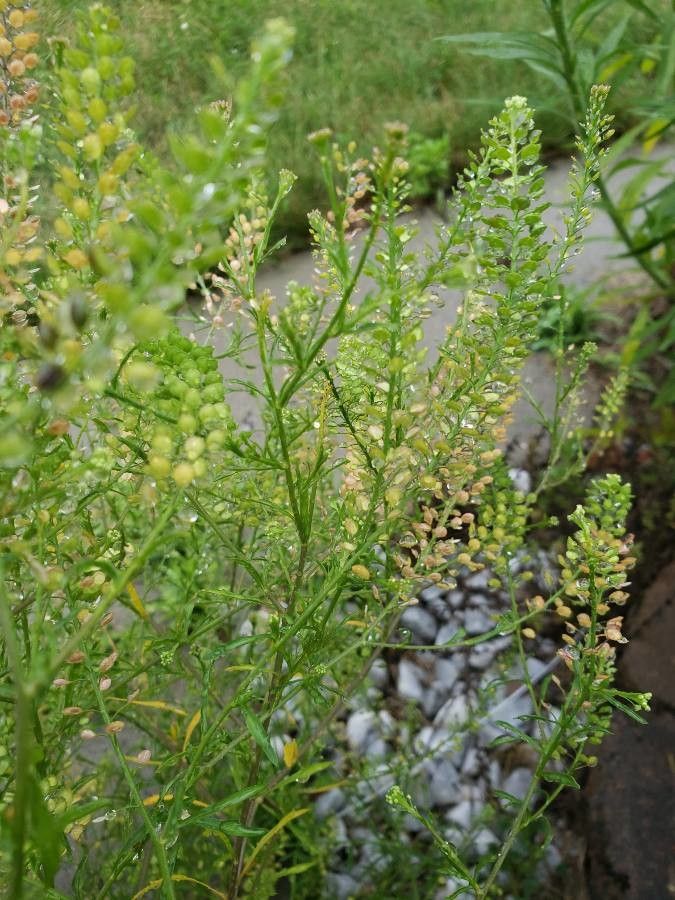
Taming the Wild: How to Propagate Lepidium ruderale (And Why You Might Want To)
Lepidium ruderale, also known as narrow-leaved pepperwort or roadside peppergrass, might not be the first plant that comes to mind when you think of a vibrant garden. With its unassuming appearance and penchant for popping up in unexpected places, it’s often relegated to the “weed” category. However, this humble plant holds hidden depths, boasting a fascinating history of medicinal and culinary uses, and even offering potential for ecological restoration.
If you’re intrigued and want to cultivate your own Lepidium ruderale, you’ve come to the right place. This hardy plant is surprisingly easy to propagate, making it a great choice even for beginner gardeners. Read on to discover the secrets of cultivating this wild wonder.
Understanding the Plant:
Before we dive into propagation, let’s get to know Lepidium ruderale a little better. This annual or biennial plant typically grows up to 50cm tall and features small, white flowers arranged on slender stems. Its leaves release a pungent, somewhat peppery aroma when crushed, hinting at its potential as a seasoning (though it’s important to note that excessive consumption can be toxic). Historically, various cultures have utilized Lepidium ruderale for its medicinal properties, ranging from treating coughs and digestive issues to wound healing.
Propagating from Seed:
Lepidium ruderale readily reproduces from seed, making it the most straightforward propagation method. Here’s how you can give it a go:
- Seed Collection: Keep an eye out for the plant in your area (it thrives in disturbed ground and roadsides). Once the flowers mature and form small seed pods, collect them carefully.
- Seed Preparation: No special treatment is required for the seeds. You can sow them directly after collection or store them in a cool, dry place for later use.
- Sowing: Scatter the seeds on the surface of well-drained soil in spring or autumn. While Lepidium ruderale can tolerate partial shade, it flourishes in full sun.
- Watering: Water the seeds gently and consistently, making sure the soil remains moist but not waterlogged.
- Thinning: Once the seedlings emerge and reach a few inches tall, thin them out to provide adequate spacing (around 15-20cm apart) for optimal growth.
Other Propagation Methods:
While propagating from seed is the most common and easiest method, you can also try your hand at cuttings:
- Take Cuttings: In late spring or early summer, take cuttings of about 10-15cm from the new growth tips of a healthy plant.
- Prepare the Cuttings: Remove the lower leaves and dip the cut end in rooting hormone (optional, but can improve success rate).
- Planting the Cuttings: Plant the cuttings in a pot filled with a well-draining potting mix.
- Create a Humid Environment: Cover the pot with a plastic bag or use a propagator to create a humid environment for the cuttings.
- Transplanting: Once the cuttings have rooted (usually within a few weeks), you can transplant them to their final positions in the garden.
Caring for your Lepidium ruderale:
Lepidium ruderale is a low-maintenance plant that requires minimal care. Water it regularly, especially during dry periods, and weed the surrounding area to prevent competition. While not essential, you can apply a balanced fertilizer occasionally to encourage lusher growth.
A Word of Caution:
While Lepidium ruderale offers several benefits, it’s crucial to remember that it can also be invasive in some regions. Once established, it can spread rapidly, potentially outcompeting other plants. Therefore, it’s essential to plant it responsibly and be mindful of its growth habits.
Final Thoughts:
Propagating Lepidium ruderale is a rewarding experience that allows you to connect with this often-overlooked plant. Whether you’re interested in its historical uses, appreciate its resilience, or simply enjoy its subtle beauty, cultivating Lepidium ruderale offers a unique gardening adventure. By following these simple steps, you can enjoy the satisfaction of successfully growing this intriguing wild plant in your own backyard.