
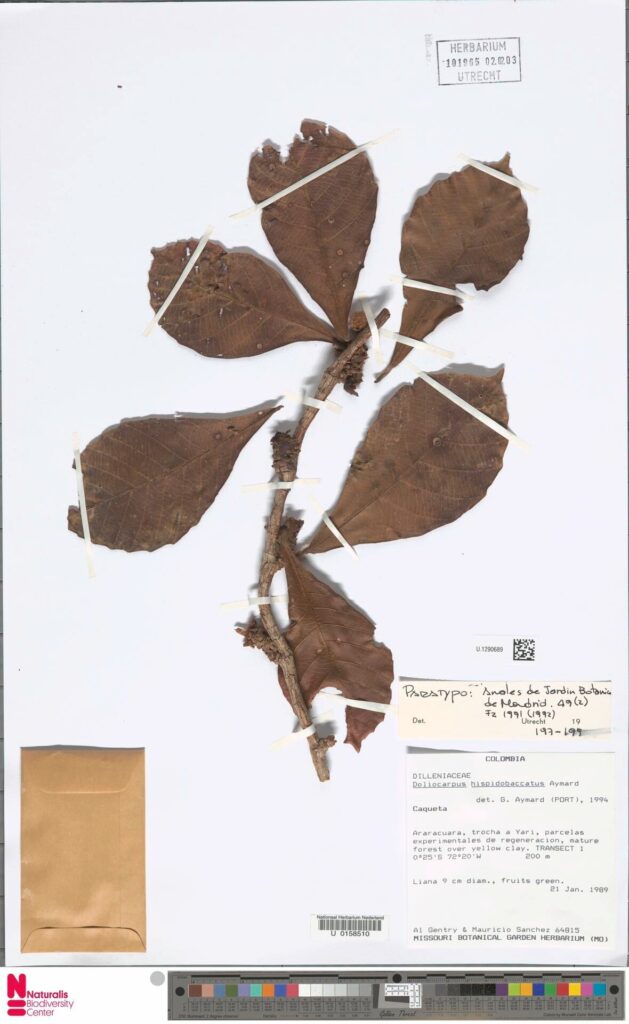
Unveiling the Secrets of Doliocarpus hispidobaccatus: A Propagation Guide for the Adventurous Gardener
Doliocarpus hispidobaccatus! The name alone sounds like an exotic adventure, and for plant enthusiasts, this intriguing tropical climber offers just that. Native to the rainforests of South America, this woody vine, with its glossy leaves and fascinating fruit, can be a unique addition to your collection. But how do you introduce this rare beauty to your own backyard? Let’s unlock the secrets of Doliocarpus hispidobaccatus propagation together.
Two Paths to Propagation:
While information on Doliocarpus hispidobaccatus is relatively scarce due to its rarity in cultivation, we can rely on the plant’s family ties (Dilleniaceae) and general knowledge of tropical vine propagation to guide us. Two methods show the most promise:
1. Seed Propagation: A Journey of Patience
- Source Your Seeds: Obtaining seeds might be the biggest hurdle. Seek out reputable online sellers specializing in exotic plants or connect with botanical gardens or collectors who might offer seeds.
- Mimic the Rainforest: These seeds are used to a warm, humid environment. Sow them in a well-draining seed starting mix, preferably with added vermicast for moisture retention.
- Warmth and Humidity are Key: Cover your seed tray with a humidity dome or plastic wrap to retain moisture and place it on a heat mat, maintaining a consistent temperature of around 75-85°F (24-29°C).
- Patience is a Virtue: Germination can be slow and erratic, ranging from a few weeks to several months. Don’t lose hope! Ensure the soil remains consistently moist but not waterlogged.
- First Steps: Once your seedlings emerge, provide them with bright, indirect light. Gradually acclimate them to slightly lower humidity levels as they grow stronger.
2. Semi-Hardwood Cuttings: A Quicker Route
- Timing is Everything: The best time to take cuttings is during the active growing season, typically late spring to early summer.
- Select Healthy Stems: Choose semi-hardwood stems, which are firm but not completely woody. Look for sections with at least two to three nodes (where leaves are attached).
- Prepare the Cuttings: Using a sharp, sterilized knife or shears, make a clean cut just below a node. Remove the leaves from the lower portion of the cutting.
- Promote Root Development: Dipping the cut end in a rooting hormone powder can significantly increase your success rate.
- Plant and Provide Warmth: Plant the prepared cuttings in a well-draining potting mix. A mix of peat moss, perlite, and vermicast works well. Maintain warmth and humidity, just as with seeds, using a humidity dome or plastic bag.
- Signs of Success: Rooting should occur within 4-8 weeks. Gently tug the cuttings; resistance indicates successful root development.
Nurturing Your Doliocarpus hispidobaccatus:
Once your seedlings or cuttings are established, provide them with:
- Bright, Indirect Light: Mimic the dappled light of their rainforest home.
- Consistent Moisture: Keep the soil evenly moist but avoid overwatering, which can lead to root rot.
- Warm Temperatures: Maintain a temperature range of 65-85°F (18-29°C) for optimal growth.
- Support Structure: As climbing vines, they’ll appreciate a trellis, moss pole, or other support to cling to.
Propagating Doliocarpus hispidobaccatus might require patience and a touch of green magic, but the reward of cultivating this botanical rarity is well worth the effort. So, embrace the adventure, and who knows, you might just find yourself amidst a thriving jungle of your own creation!