
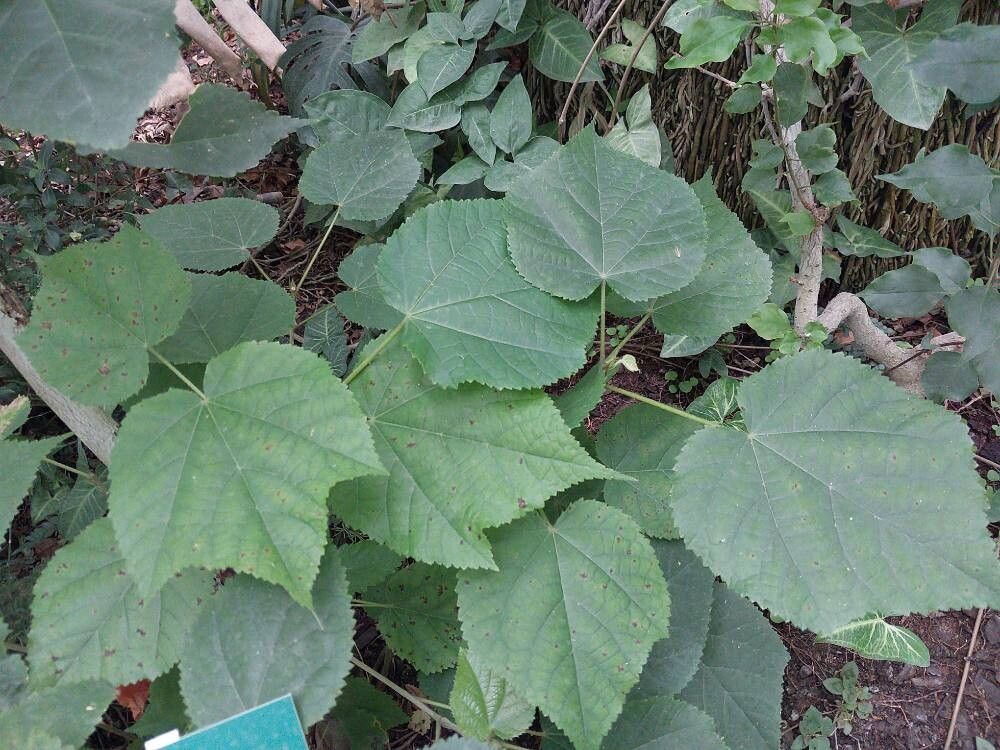
Pink Ball Tree Propagation: Sharing the Floral Fireworks
The Dombeya wallichii, more affectionately known as the Pink Ball Tree or Tropical Hydrangea, is a showstopper. With its cascading clusters of pink, bell-shaped flowers resembling delicate paper lanterns, this small tree brings a touch of fairytale magic to any garden. If you’re lucky enough to have one gracing your space, you’re likely eager to multiply the enchantment. Good news: Propagating Dombeya wallichii is achievable and opens the door to sharing this floral treasure with friends and family.
Two Roads to Propagation Success:
Dombeya wallichii can be propagated through two main methods:
1. Seed Propagation: A Leap of Faith with Rewarding Blooms
- Timing is Key: Collect ripe seed capsules from the tree in late summer or early fall. You’ll know they’re ready when they turn brown and start to split open.
- Preparation and Sowing: Extract the small seeds from the capsules and sow them in a well-draining seed-starting mix. Lightly press them into the surface, but don’t bury them too deep.
- Patience Young Padawan: Seed germination can be variable, taking anywhere from a few weeks to a couple of months. Maintain consistent moisture and warmth (around 70-75°F) for optimal germination.
- First Steps: Once seedlings emerge and have a few sets of true leaves, you can transplant them into individual pots.
Pros:
- Seed propagation offers the potential for a large number of new plants.
- It’s a rewarding process to witness the entire growth journey from seed to bloom.
Cons:
- Seed germination can be unpredictable.
- Plants grown from seed may take longer to flower compared to those started from cuttings.
2. Semi-Hardwood Cuttings: Faster Blooms and True-to-Type Clones
- The Right Time: Take cuttings in late spring or early summer when new growth is maturing but still somewhat pliable.
- Selecting Your Cuttings: Choose healthy, non-flowering stems that are about 4-6 inches long. The ideal cutting should have a “heel” – a small piece of the older wood attached.
- Prepare for Success: Remove the leaves from the bottom inch or two of the cutting. Dip the cut end in rooting hormone to encourage root development.
- The Rooting Process: Plant the cuttings in a well-draining potting mix. Keep the mix consistently moist and provide humidity by covering the cuttings with a plastic bag or placing them in a propagation dome.
- Transplant Time: In about 6-8 weeks, your cuttings should have rooted. Gently tug on them – resistance means they’re ready for individual pots.
Pros:
- Cuttings generally root faster than seeds, leading to quicker flowering times.
- Plants grown from cuttings are genetic clones of the parent plant, ensuring consistent characteristics and flower color.
Cons:
- Requires a bit more technique than seed propagation.
- You’ll have a more limited number of new plants compared to starting from seed.
Nurturing Your New Dombeya Treasures:
Regardless of your chosen propagation method, new Dombeya wallichii plants thrive in:
- Well-draining soil: They don’t tolerate soggy roots.
- Ample sunlight: At least 6 hours of direct sunlight will encourage vigorous growth and abundant blooms.
- Regular watering: Keep the soil moist, but not waterlogged, especially during the first growing season.
With a little patience and care, you can propagate your own Pink Ball Tree and share its breathtaking beauty. Whether you choose the adventure of seeds or the efficiency of cuttings, the process is a rewarding one, adding a touch of personal pride to each vibrant, cascading bloom.