
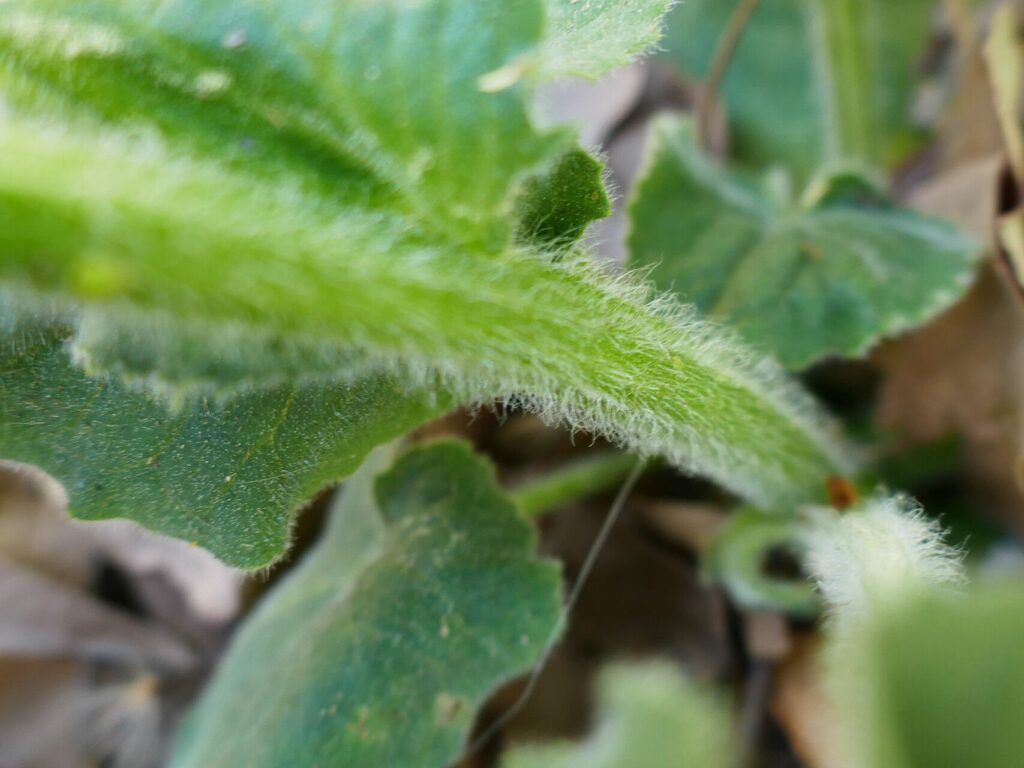
Sunshine in a Seed: Propagating Leopard’s Bane for a Bountiful Bloom
The vibrant yellow blooms of Doronicum pardalianches, commonly known as Leopard’s Bane, are a welcome sight in early spring gardens. These cheerful flowers, resembling miniature sunflowers, bring a burst of color to borders and meadows, creating a cheerful ambiance. But did you know that you can easily multiply your own Leopard’s Bane plants, ensuring a steady supply of these sunny beauties?
Harnessing Nature’s Power: Propagation Methods
Leopard’s Bane can be propagated through two main methods: seed sowing and division. Both are relatively easy and offer a rewarding experience for gardeners of all levels.
1. Seed Sowing: Planting the Seeds of Sunshine
- Time to Sow: Sow seeds in autumn for spring blooms the following year. Leopard’s Bane seeds require a cold period (stratification) to germinate.
- Step-by-Step:
- Sow seeds directly in the garden bed in a sunny location with well-drained soil.
- Lightly cover the seeds with soil and water them gently.
- Mulch the area to maintain moisture and prevent weeds.
- Keep the soil slightly moist, but not soggy.
- Germination usually takes 4-6 weeks.
2. Division: A Multiplier Effect
- Optimal Time: Divide established clumps in spring or autumn.
- Step-by-Step:
- Carefully lift a mature plant from the ground.
- Use a sharp knife or trowel to cut the root ball into smaller sections.
- Each section should have at least one healthy bud.
- Plant the divisions in a sunny spot with well-drained soil.
- Water thoroughly and keep the soil moist.
Tips for Successful Propagation
- Choose a Sunny Spot: Leopard’s Bane thrives in full sun to partial shade.
- Well-Drained Soil: Ensure your soil is well-drained to prevent root rot.
- Watering Schedule: Water regularly during dry spells, especially during the first year after propagation.
- Fertilizer: Leopard’s Bane benefits from light fertilization in spring.
Beyond the Garden: A Little Known Feature
Although the name “Leopard’s Bane” sounds menacing, it simply refers to the plant’s historical use for treating wounds and other ailments. Interestingly, Doronicum pardalianches also attracts beneficial insects, such as bees and hoverflies, to your garden, adding to its ecological value.
Enjoy the Rewards
Propagating your own Leopard’s Bane plants allows you to enjoy a continuous display of cheerful yellow blooms, spreading the sunshine throughout your garden. You can also share your lovingly cultivated plants with friends and family, gifting them a piece of your garden’s beauty.
So why wait? Get your hands dirty and embrace the joys of propagating Leopard’s Bane. With these simple steps, you can easily fill your garden with vibrant yellow flowers, making it a haven of joy and beauty.