
Bringing the Mountains Home: Propagating Downingia Montana in Your Garden
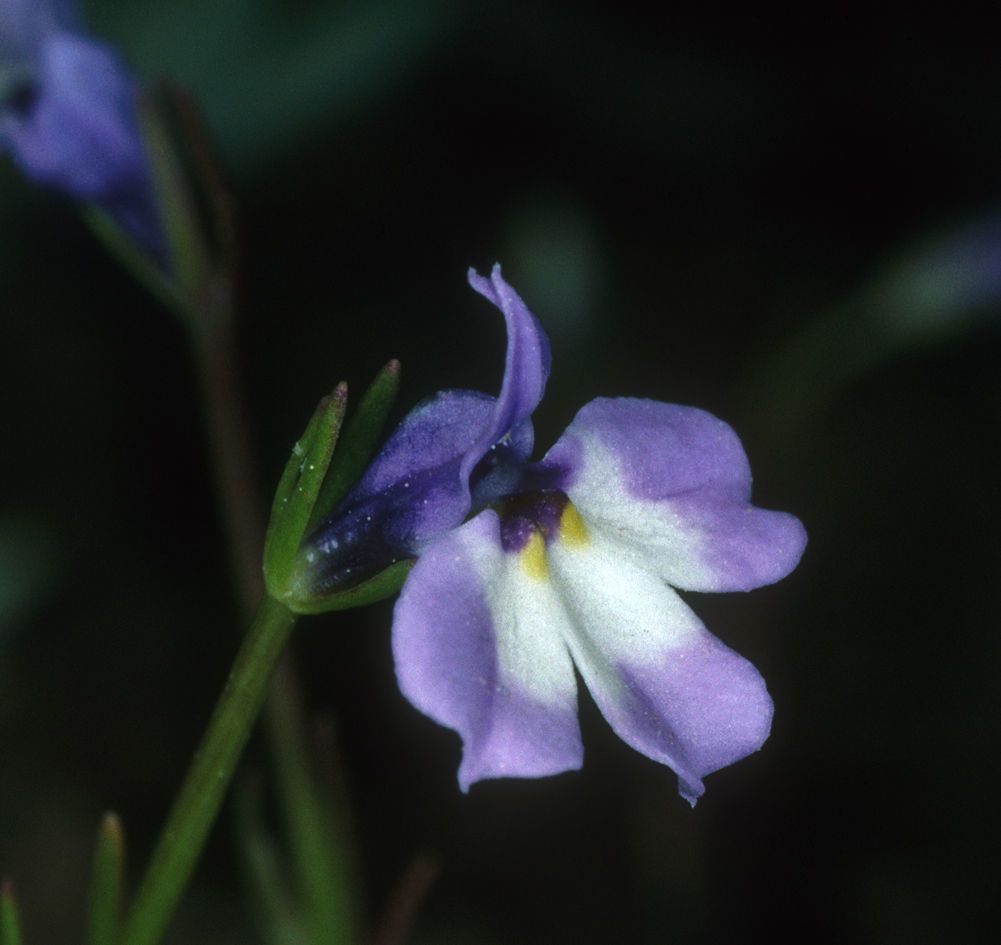
Downingia montana, also known as Sierra Downingia, is a small but mighty wildflower native to the western United States. Bursting with vibrant purple-blue blooms that resemble tiny orchids, this annual is a showstopper despite its petite stature.
If you, like many others, have been captivated by the charm of Downingia montana, you might be thrilled to discover that cultivating this mountain beauty in your own garden is surprisingly achievable.
Seeds: Your Ticket to Downingia Delight
Downingia montana is most successfully propagated by seed. Fortunately, this is a very straightforward process. Here’s how to get started:
1. Seed Collection:
- In the Wild: If you are lucky enough to encounter Downingia montana in its natural habitat, remember to collect seeds responsibly and ethically. Only take a small amount from healthy populations, leaving plenty to reseed naturally.
- Purchasing Seeds: Reputable seed suppliers offer Downingia montana seeds, allowing you to introduce this enchanting wildflower to your garden no matter your location.
2. Sowing the Seeds:
- Timing is Key: Downingia montana prefers cool temperatures, so sow seeds in either early spring, as soon as the ground can be worked, or in late fall for a head start the following spring.
- Direct Sowing: These wildflowers prefer to be directly sown where they will grow. Scatter seeds on the soil surface, gently pressing them in but avoiding burying them deeply.
- Light and Moisture: Downingia montana seeds need light to germinate, so don’t bury them. Keep the soil consistently moist during germination, which usually takes 1-2 weeks.
Providing the Ideal Growing Conditions:
While Downingia montana is generally low-maintenance, replicating its native growing conditions will yield the best results:
- Sun Exposure: These wildflowers thrive in full sun to partial shade.
- Soil Preference: Downingia montana prefers moist, well-drained soil. If your soil is heavy or prone to waterlogging, amending it with compost will provide better drainage.
- Water Requirements: While the plants enjoy consistent moisture, they are susceptible to root rot in soggy conditions. Water regularly, especially during dry spells, but let the soil surface dry out slightly between waterings.
Enjoy the Show!
Once established, Downingia montana requires minimal care. Deadheading spent blooms can encourage more flowers, but it’s not strictly necessary. As an annual, Downingia montana completes its lifecycle in one season. However, it readily self-seeds, creating a captivating display year after year.
A Wildflower Worth the Effort
Bringing the exquisite beauty of Downingia montana into your garden is truly rewarding. By following these simple propagation and care tips, you can enjoy the breathtaking sight of these mountain gems blooming right in your own backyard. So why not give it a try? You’ll be mesmerized by the delicate charm this wildflower brings to your outdoor space.