
Unlocking the Secrets: How to Propagate the Rare Planchonella crassinervia
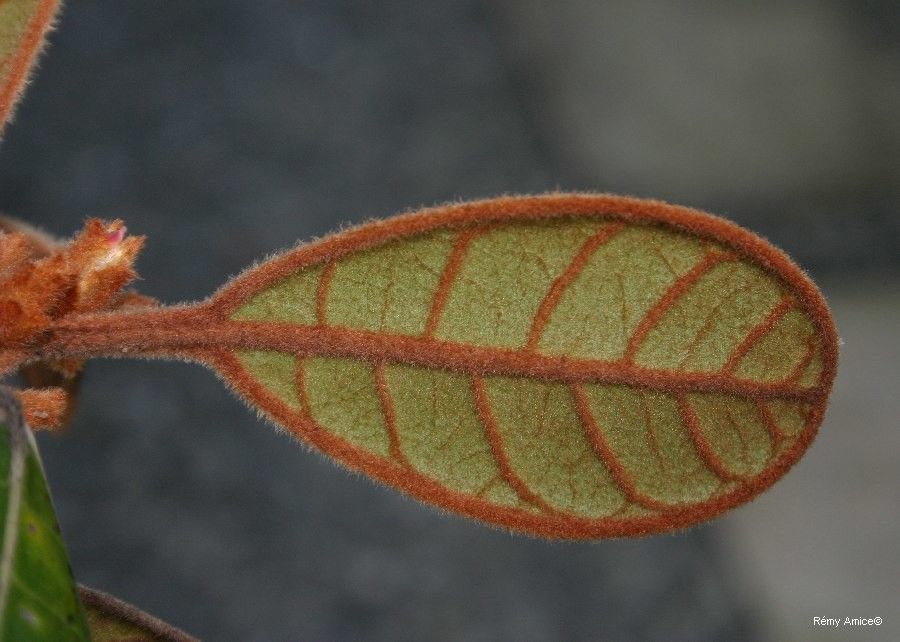
The Planchonella crassinervia, also known as the “Copper Leaf” or “Rib-fruited Ironplum,” is a captivating rainforest tree native to Australia. With its stunning coppery new growth and unique ribbed fruit, this evergreen beauty is a true prize for collectors. However, its rarity often makes finding one a challenge. But what if you could grow your own?
While not for the impatient gardener, propagating Planchonella crassinervia is achievable with a sprinkle of dedication and the right know-how. Here’s your guide to bringing this botanical treasure to life:
Two Paths to Propagation
Planchonella crassinervia can be propagated by two primary methods:
Seed: This is the most common method, but it requires patience, as seeds can take several months to germinate.
- Cuttings: While less common, propagation through cuttings offers a faster route, although it can be trickier to achieve success.
The Seed Route: A Test of Patience
- Sourcing Seeds: Your best bet is sourcing fresh seeds from a reputable supplier specializing in rare fruit trees.
- Preparing for Germination: Planchonella crassinervia seeds benefit from a pre-treatment to improve germination rates. This can include:
- Scarification: Lightly nicking the seed coat with a file or sandpaper to break dormancy.
- Soaking: Soaking seeds in warm water for 24 hours before sowing.
- Sowing the Seeds: Plant your seeds in a well-draining seed-raising mix, keeping them consistently moist. A warm, humid environment, like a propagator, will expedite the process. Be prepared to wait – germination can take anywhere from a few weeks to several months.
The Cutting Edge: A Faster, but Finer Approach
- Timing is Key: Take semi-hardwood cuttings in the early morning during the active growing season (spring or early summer).
- Selecting the Right Cuttings: Look for healthy, non-flowering stems with new growth. Ideally, choose branches around 4-6 inches long with several nodes.
- Preparing Your Cuttings:
- Remove the leaves from the lower half of the cutting.
- Dip the cut end in rooting hormone to encourage root development.
- Planting and Care: Plant your cuttings in a well-draining potting mix, ensuring good contact between the stem and the soil. Cover the pot with a plastic bag or humidity dome to maintain moisture. Place in a warm, well-lit area, but avoid direct sunlight.
Nurturing Your New Plantlets
Whether you choose seeds or cuttings, patience is vital. Once your seedlings or cuttings show signs of growth, gradually acclimate them to stronger light and lower humidity. Choose a well-draining potting mix and water regularly, allowing the soil to dry slightly between waterings.
Tips for Success:
- Patience is Paramount: Don’t be discouraged by slow progress.
- Warmth and Humidity: Provide a consistently warm, humid environment, especially during germination and early growth.
- Well-draining Soil: Avoid overwatering, as it can lead to root rot.
- Gradual Acclimatization: Introduce your plants to direct sunlight and lower humidity gradually.
Propagating Planchonella crassinervia may require a touch more dedication than your average houseplant, but the reward of nurturing this rare beauty from seed or cutting is a truly fulfilling experience. With a bit of patience and the right care, you too can unlock the secrets to cultivating this botanical gem.