
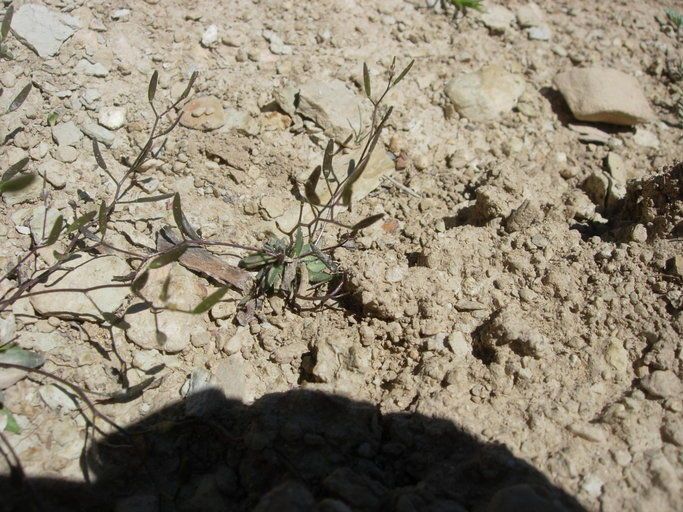
Tiny but Mighty: Propagating the Resilient Draba crassifolia
The Draba crassifolia, also known as the Thickleaf Draba, is a charming little plant with an impressive ability to survive harsh conditions. Its delicate white flowers and low-growing habit make it a welcome addition to rock gardens and alpine landscapes. While this plant is readily available in nurseries, many gardeners are eager to try their hand at propagating it themselves. Fortunately, the Draba crassifolia offers a variety of methods for propagation, making it an accessible plant for the home gardener.
From Seed to Sprout:
Starting a new Draba crassifolia from seed is a rewarding experience. The process is relatively simple and can be done indoors or directly in the garden.
- Collecting Seeds: The best time to harvest seeds is after flowering, when the seedpods turn brown and dry. Gently shake the pods over a piece of paper to collect the tiny seeds. Once collected, store them in a cool, dry place until ready for planting.
- Sowing Seeds: Choose a well-draining potting mix and fill seed trays or small pots. Sow the seeds thinly on the surface, gently pressing them in but not covering them completely. Mist the soil lightly and cover the tray with a plastic dome to create a humid environment.
- Germination: The seeds need light to germinate, so place the tray in a bright location, but out of direct sunlight. Depending on the temperature and moisture levels, germination can take around two to four weeks.
- Transplanting: Once the seedlings have developed a few true leaves, you can transplant them into individual pots or directly into the garden. Choose a sunny location with well-drained soil.
Division: Sharing the Bounty:
Draba crassifolia readily forms clumps, making division a straightforward propagation method. This process is best done in the spring or fall when the plant is actively growing.
- Prepare the Plants: Carefully lift the established plant from the ground, taking care not to damage the root system.
- Divide the Clump: Use a sharp knife or gardening shears to separate the plant into smaller sections, each with healthy roots and foliage.
- Replanting: Plant the divisions in well-prepared soil, ensuring that the roots are spread out and the crown of the plant is at or just above soil level. Water thoroughly after planting.
Cuttings: An Alternative Approach:
While less commonly used, propagation by cuttings is also possible for the Draba crassifolia. This technique can be a bit more challenging but offers another avenue if you desire to multiply your plants.
- Taking Cuttings: In the spring or early summer, take stem cuttings about 2-3 inches long. Select healthy, non-flowering stems.
- Preparing the Cuttings: Remove any leaves from the lower inch or two of the stem. Dip the cut end in rooting hormone powder for better root development.
- Planting Cuttings: Fill small pots or seed trays with a well-draining potting mix. Insert the cuttings into the soil, leaving the leaves exposed. Keep the soil consistently moist and the cuttings in a bright location, but out of direct sunlight.
- Root Development: With proper care, roots should develop in about 4-6 weeks. Once established, you can transplant the cuttings into their final growing location.
Tips for Success:
- Choose the right soil: Draba crassifolia thrives in well-drained soil with a slightly acidic pH.
- Water consistently: Keep the soil moist but not soggy.
- Provide adequate drainage: This plant is sensitive to overwatering, so ensure good drainage to prevent root rot.
- Fertilize sparingly: The Draba crassifolia is a low-maintenance plant and doesn’t need heavy fertilization. A light application of balanced fertilizer in the spring is usually sufficient.
By following these tips and choosing the propagation method that best suits your needs and preferences, you can successfully grow more Draba crassifolia and enjoy its beauty in your garden. This hardy little plant, with its resilience and charming appearance, will surely brighten any rock garden or alpine landscape.