
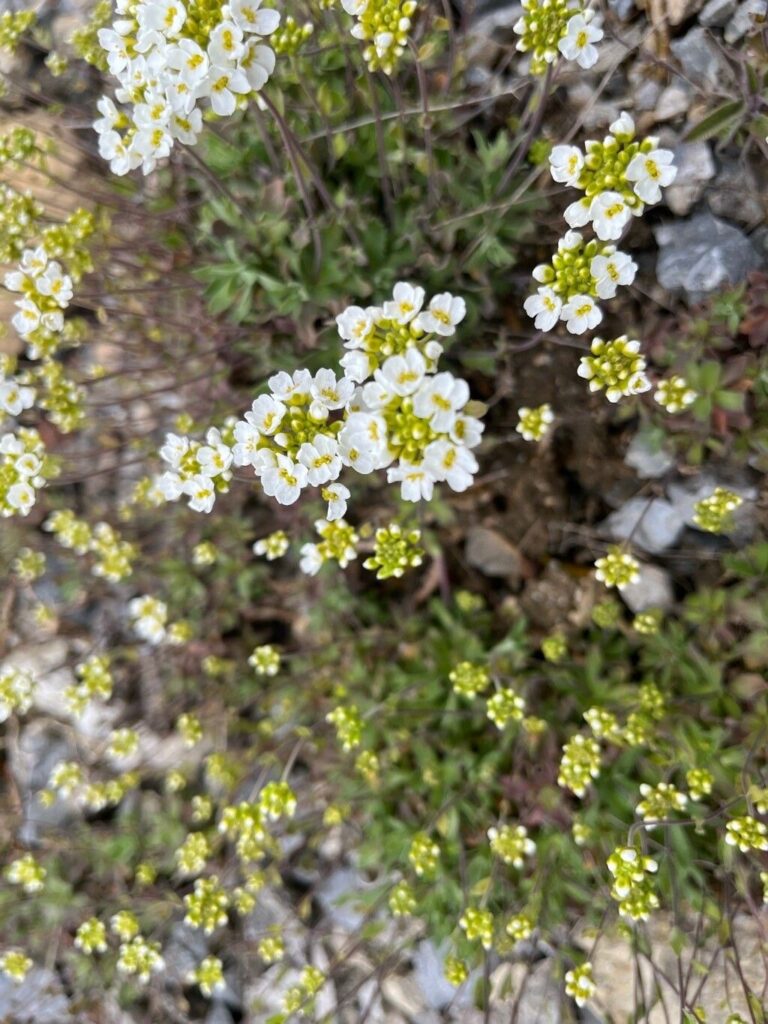
Draba doerfleri: Tiny Plant, Big Propagation Possibilities
The world of plants is full of surprises, and the Draba doerfleri is no exception. This dainty little alpine perennial, known for its delicate white flowers and small, compact growth, offers a unique challenge and reward to gardeners who seek to propagate it.
Beyond the Basics: Understanding Draba doerfleri
Before we delve into propagation, let’s briefly introduce this fascinating plant. Draba doerfleri boasts a fascinatingly compact habit, rarely exceeding a few inches in height. Its tiny, almost star-shaped flowers emerge in early spring, adding a touch of elegance to rock gardens, crevices, and even container plantings.
But the real beauty of Draba doerfleri lies in its tough and adaptable nature. Native to mountainous regions, it thrives in well-drained, gritty soils and thrives in the harsh conditions of full sun to partial shade.
The Art of Propagation: Seeds and More
Now, let’s explore the methods you can use to multiply your Draba doerfleri plants and share their charm with the world:
-
Seed Propagation: A Journey of Patience
The most common method, seed propagation, requires patience and a bit of finesse. Here’s a step-by-step guide:
-
Collect Seeds: After flowering, seed pods will form. Harvest these pods when they are dry and brown, and gently extract the tiny seeds.
-
Sowing the Seeds: Sow seeds directly into well-drained soil in a seed tray or pot. Lightly cover the seeds with vermiculite or fine potting mix.
-
Cultivation and Wait: Keep the seeds moist, but not soggy, and place the container in a cool, shaded spot. Germination can take weeks, or even months, so patience is key.
- Thinning and Transplanting: Once your seedlings have a few true leaves, carefully thin them out to give each plant space to grow. When they reach a manageable size, carefully transplant them to their final growing location.
-
-
Division: A Quick and Easy Option
For a faster way to multiply your Draba doerfleri, try division. This method works best in the spring or autumn when the plant is actively growing:
-
Prepare the Plant: Gently loosen the plant from its original location.
-
Divide the Roots: Separate the root ball into smaller sections, ensuring that each section contains at least one growing point.
- Replanting: Plant the divided sections in well-prepared, well-drained soil, spacing them according to their mature size.
-
-
Cuttings: A More Demanding Approach
While possible, propagation of Draba doerfleri by cuttings is less commonly employed. It demands a bit more expertise and can be more challenging than other methods:
-
Taking Cuttings: Choose healthy, non-flowering stems and cut them just below a node (where leaves grow).
-
Root Hormone: Dip the end of the cutting in rooting hormone for an extra boost.
-
Planting: Insert the cutting into a moist propagation mix in a small pot or tray. Place the pot under a humidity dome or mist regularly to encourage rooting.
- Patience and Care: Root formation may take several weeks. Keep the cuttings in a bright, indirect light location and maintain consistent moisture, ensuring that the soil doesn’t become waterlogged.
-
A Final Word
No matter which propagation method you choose, remember that Draba doerfleri, like many alpine plants, prefers well-drained soil and abundant air circulation.
This humble plant may be small, but its tenacity makes it a rewarding addition to any garden. The journey of propagating your Draba doerfleri is a testament to the magic of nature, and the satisfaction of nurturing life from seed to bloom.