
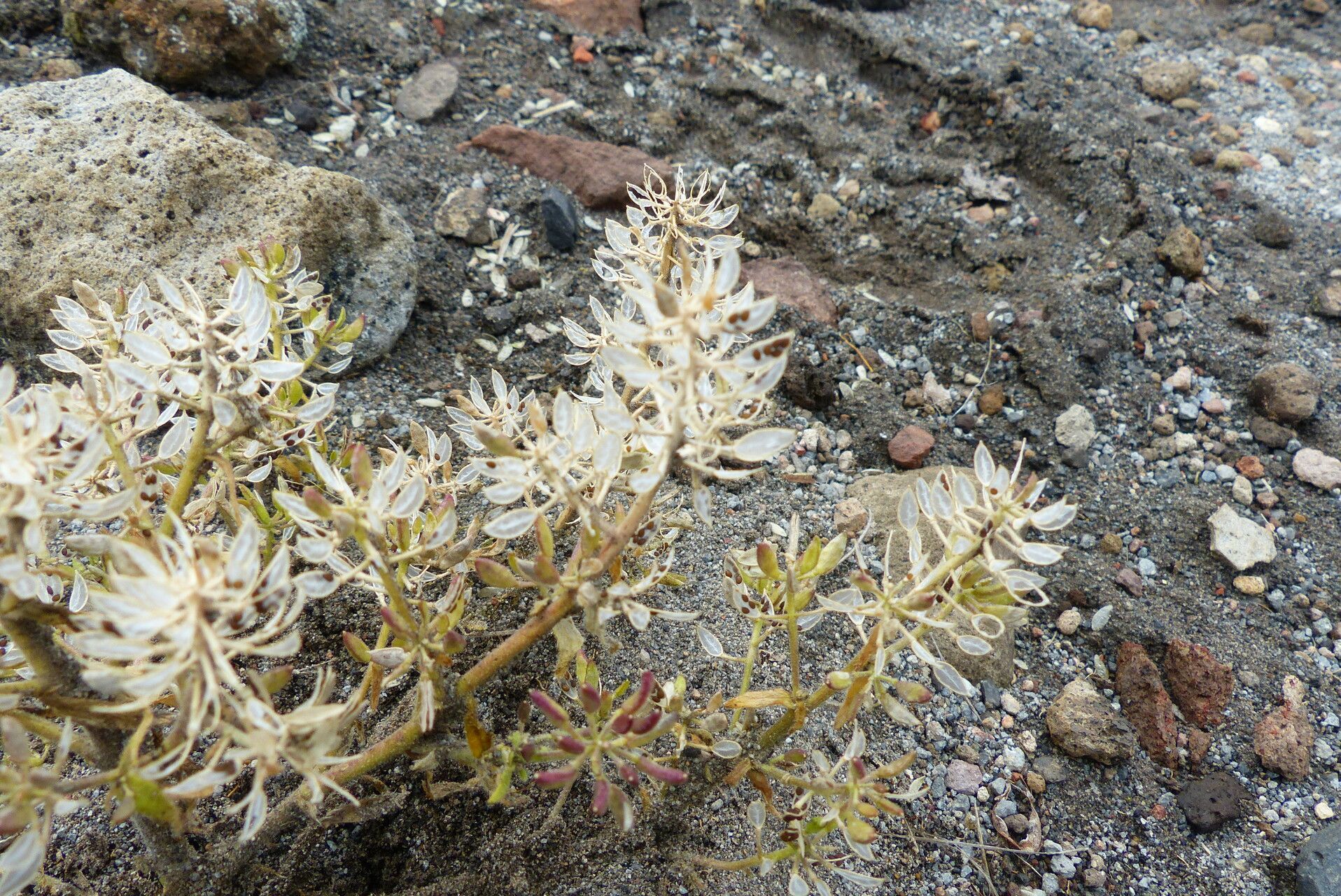
Unlocking the Secrets of Draba Hallii: A Propagation Guide for the Alpine Enthusiast
Draba hallii, also known as Hall’s draba, is a charming alpine plant with a tenacious spirit. This low-growing perennial, native to the high peaks of the western United States, captivates gardeners with its delicate yellow blooms and its ability to thrive in seemingly inhospitable environments. While acquiring this mountain treasure can be a challenge, propagating Draba hallii is a rewarding endeavor for those willing to embrace its unique needs.
Understanding the Alpine Mindset
Before delving into the specifics of propagation, it’s crucial to understand the environmental factors that shape Draba hallii’s growth. As an alpine plant, it thrives in well-drained, gritty soil that mimics its rocky mountain habitat. Excess moisture is its nemesis, leading to root rot and demise. Therefore, replicating these conditions is key to propagation success.
Propagation Techniques: Seeds vs. Cuttings
1. Seed Propagation: A Test of Patience
- Sowing Time: Winter sowing is generally recommended for Draba hallii, mimicking its natural cycle. Sow seeds in a well-draining seed starting mix and lightly cover them.
- Stratification: Cold stratification, a period of cold exposure, is often necessary to break seed dormancy. Place the seed tray in a refrigerator (around 40°F) for 4-6 weeks before moving them to a warmer location.
- Light and Moisture: Maintain consistent moisture without overwatering and provide bright, indirect light.
- Germination: Be patient! Germination can be erratic and take several weeks or even months.
2. Cuttings: A Quicker Path to Success
- Timing is Key: Take cuttings in late spring or early summer after the plant has finished flowering.
- Choose Wisely: Select healthy, non-flowering stems for cuttings. Using a clean, sharp knife or shears, make a cut just below a leaf node.
- Potting Up: Remove lower leaves and dip the cut end in rooting hormone (optional but beneficial). Plant the cutting in a well-draining medium, such as a mix of perlite and vermiculite.
- Creating Humidity: Tent the cutting with a plastic bag or humidity dome to retain moisture and encourage rooting.
- Transplanting: Once roots develop, usually within a few weeks, carefully transplant the cuttings to individual pots.
Nurturing Your Alpine Offspring
Regardless of the propagation method you choose, providing the right environment is crucial for the survival of your Draba hallii.
- Drainage is Paramount: Use well-draining soil and choose pots with drainage holes.
- Light Requirements: Provide bright, indirect light. Avoid intense, direct sunlight, especially during the hottest part of the day.
- Watering with Caution: Water only when the soil is completely dry, and avoid overwatering at all costs.
A Rewarding Challenge
Propagating Draba hallii requires patience, attention to detail, and an understanding of its unique alpine requirements. However, the reward of successfully nurturing these hardy plants from seed or cuttings is immeasurable for any plant enthusiast. As you watch your Draba hallii flourish, you’ll gain a deeper appreciation for the resilience and beauty of these mountain treasures.