
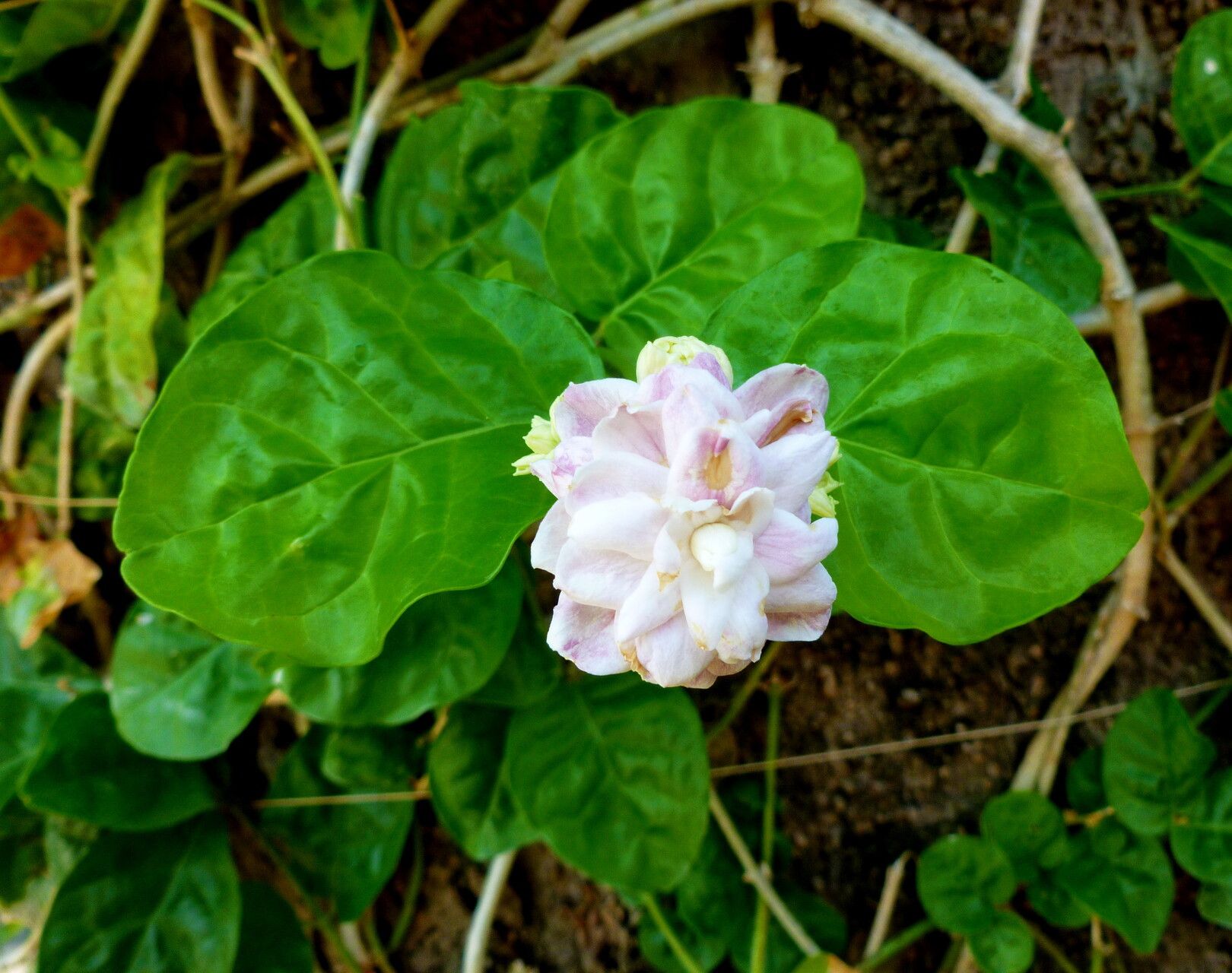
Unlocking the Secrets of Jasmine Propagation: How to Grow More of This Fragrant Beauty
The intoxicating aroma of jasmine is enough to transport anyone to a serene oasis. Jasminum Sambac, also known as Arabian Jasmine, is prized not only for its heavenly scent but also for its delicate, star-shaped blooms. If you’re lucky enough to own one of these fragrant beauties, you’re probably wondering how to get more of it. The good news is, propagating Jasminum Sambac is surprisingly easy!
This comprehensive guide will walk you through two simple methods to multiply your Jasmine plants, allowing you to enjoy their captivating fragrance in every corner of your home and garden.
Method 1: Stem Cuttings – Your Ticket to Jasmine Abundance
Stem cuttings are the most popular and effective way to propagate Jasminum Sambac. Here’s a breakdown of the process:
- Timing is Key: Aim to take cuttings during the spring or early summer, when the plant is actively growing.
- Selecting the Perfect Cutting: Choose a healthy, non-flowering stem that’s around 4-6 inches long. Look for stems that are semi-hardwood – not too tender and new, but not overly woody either.
- Preparing the Cutting: Using clean, sharp shears or a knife, make a cut just below a leaf node (the point where the leaf joins the stem). Remove the leaves from the bottom two inches of the cutting to prevent them from rotting.
- Rooting Hormone – An Optional Boost: While not strictly necessary, dipping the cut end in rooting hormone powder can significantly increase your chances of success.
- Planting the Cutting: Fill a small pot with a well-draining potting mix. You can create your own by combining equal parts peat moss, perlite, and vermiculite. Make a hole in the center with your finger or a pencil and gently insert the cutting.
- Creating a Humid Environment: Moisture is crucial for root development. Cover the pot with a clear plastic bag or a humidity dome to create a mini greenhouse effect.
- Patience is a Virtue: Place the pot in a warm, bright location out of direct sunlight. It will take approximately 4-8 weeks for the cutting to develop roots. You can gently tug on the cutting after a few weeks – resistance signifies root growth.
- Transplanting to a Larger Pot: Once the roots are established, you can transplant the cutting into a slightly larger pot with regular potting soil.
Method 2: Layering – Encouraging Roots While Still Attached
Layering is another effective method that encourages root development while the stem is still attached to the mother plant. Here’s how it works:
- Choose a Branch: Select a healthy, flexible stem close to the ground.
- Prepare the Stem: Lightly wound the stem about 6-8 inches from the tip by making a small cut or scraping off a ring of bark.
- Bury the Wound: Bend the wounded portion of the stem down and bury it in a small trench filled with moist potting mix. Use a small rock or a landscape pin to keep the stem in place.
- Patience and Observation: Keep the soil consistently moist and wait for roots to develop from the wounded area. This might take several weeks or even months.
- Separation and Potting: Once the layered stem has developed a strong root system, you can separate it from the mother plant and pot it up individually.
Enjoying the Fruits of Your Labor
Whether you choose stem cuttings or layering, propagating your Jasminum Sambac is a rewarding experience. With a little patience and care, you’ll be well on your way to creating a fragrant haven filled with the intoxicating aroma of these beautiful blooms.