
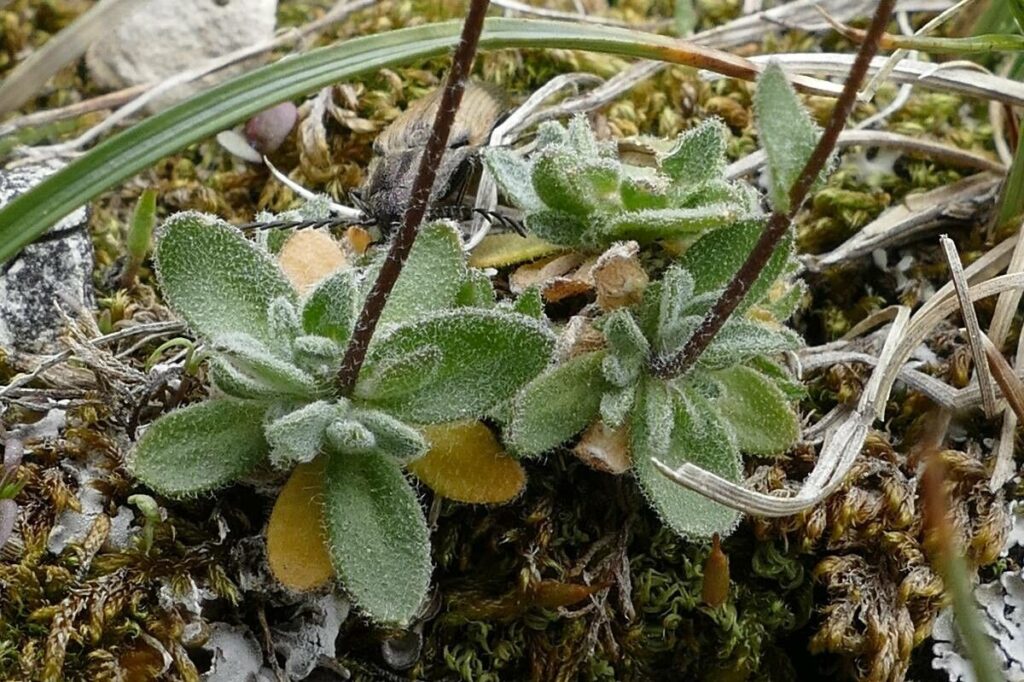
From Tiny Seed to Thriving Patch: Propagating the Charming Draba siliquosa
Have you ever fallen in love with a plant but found it impossible to find more of it? Well, fear not, plant lovers! Many species can be propagated at home, allowing you to cultivate your own little botanical haven. Today, we’ll delve into the fascinating world of propagation, focusing on the charming and resilient Draba siliquosa, also known as the “Whitlow Grass.”
This diminutive beauty, with its delicate white flowers and soft, green rosette foliage, makes an excellent addition to rock gardens, containers, or even edging walkways. But don’t let the small size fool you – Draba siliquosa is incredibly hardy and thrives in even the harshest conditions.
From Seed to Success:
The most common and arguably easiest method to propagate Draba siliquosa is through seeds. Here’s how you can embrace the joy of starting from scratch:
- Seed Collection: Harvest seeds from mature seed pods after flowering. Allow the pods to dry naturally on the plant before gently extracting the tiny seeds.
- Sowing the Seeds: Sow the seeds directly outdoors in a well-drained, sunny location in early spring or late summer. You can also start them indoors in seed trays filled with a seed starting mix, but don’t bury the seeds too deep!
- Patience is Key: Germination can take anywhere from a few weeks to a few months, so be patient! Keep the soil consistently moist (but not soggy) and soon you’ll be rewarded with adorable miniature Draba sprouts.
- Transplant Time: When your seedlings have developed a few true leaves, you can gently transplant them into their permanent location. This can be done in early spring once the threat of frost has passed.
Dividing for More:
For those who prefer a slightly faster route, dividing established plants is another effective method for propagating Draba siliquosa.
- Timing is Everything: The best time to divide Draba plants is in spring or early autumn, after flowering has finished.
- Careful Division: Gently lift the plant from the ground and carefully separate the root ball into smaller sections, ensuring each section has healthy roots.
- Replanting: Plant the divisions in well-prepared soil, ensuring good drainage. Water thoroughly and keep the new plants well-moistened until they have established themselves.
Bonus Tip: Don’t be afraid to experiment! Draba siliquosa can also be propagated through cuttings. Take stem cuttings in early summer and root them in a well-draining potting mix.
Beyond Propagation:
Once you’ve successfully propagated your Draba siliquosa, it’s time to enjoy its simple beauty. This versatile plant thrives in full sun and well-drained soil. While it can tolerate some shade, too much shade can lead to leggy growth. Water regularly, especially during dry periods, but allow the soil to dry slightly between waterings.
By following these simple steps, you can easily propagate Draba siliquosa and enjoy its delicate charm in your own garden. Remember, patience and a love for nature are all you need to transform a handful of seeds or a small division into a thriving patch of this delightful wildflower.