
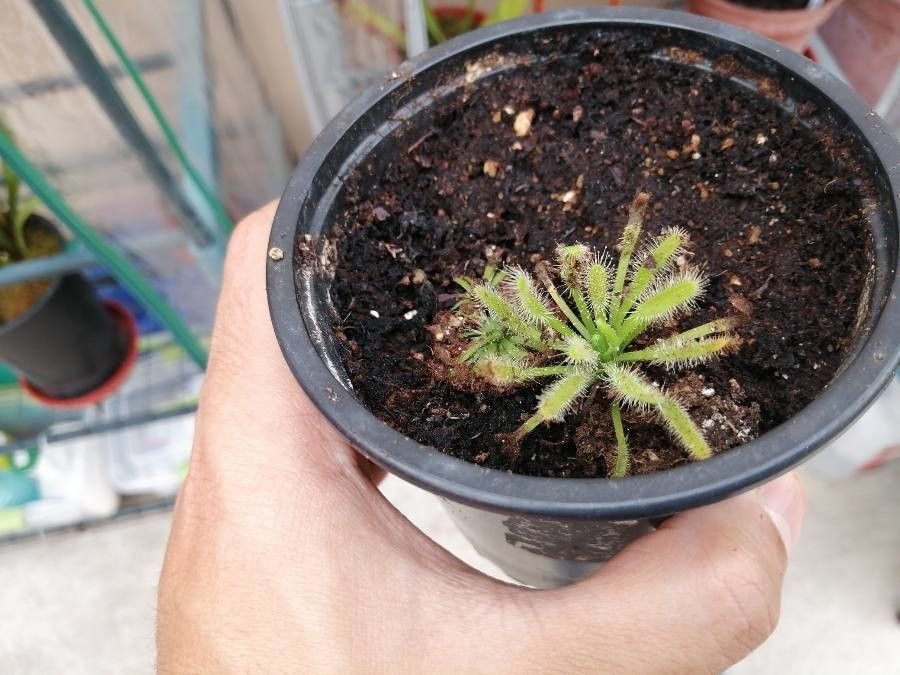
Propagating Drosera alba: A Challenge Worth Embracing
Drosera alba, also known as the white sundew, is a captivating carnivorous plant renowned for its delicate white flowers and glistening tentacles tipped with sticky mucilage, used to trap unsuspecting insects. Its compact size and elegant appearance make it a highly sought-after addition to any carnivorous plant collection, though propagating it presents unique challenges. The relative difficulty, however, only adds to the satisfaction of successfully cultivating this charming species.
Seed Germination:
Currently, there are no known reliable methods for seed germination propagation of Drosera alba. While Drosera alba does produce seeds, germination rates are exceptionally low, even under carefully controlled conditions. Factors such as seed dormancy mechanisms and the specific environmental needs for germination remain poorly understood. Further research is needed to explore possible techniques, potentially including specific stratification requirements or hormonal treatments, to improve success rates.
Cuttings:
Leaf cuttings are similarly unreliable for propagating Drosera alba. While some Drosera species can propagate successfully from leaf cuttings, this method has not shown consistent success with D. alba. The extremely low success rate makes this approach impractical for most cultivators.
Division:
Division is the most practical and reliable method for propagating Drosera alba. This method involves carefully separating the plant’s rhizomes (underground stems) during its active growing season, ensuring each section possesses healthy roots and leaves. The challenges lie in the delicacy of the rhizomes; improper handling can easily damage them, resulting in plant loss.
- Challenges: Damaging the rhizome during division is the primary hurdle. Using sharp, clean tools and working gently are crucial.
- Tips: Divide the plant during the spring or early summer when it’s actively growing. Ensure each division has a significant portion of the rhizome and several healthy leaves. Planting immediately in a suitable, moist substrate is essential.
- Rewards: Division offers a relatively high success rate compared to other methods, allowing for the quick expansion of a collection. It also provides a reliable means of multiplying genetically identical plants, preserving desirable traits.
Tissue Culture:
Tissue culture offers a potential avenue for large-scale propagation of Drosera alba, bypassing the limitations of other methods. This advanced technique involves growing plant tissues in a sterile, nutrient-rich medium.
- Challenges: Tissue culture requires specialized equipment, a sterile environment, and considerable expertise. It is not a method readily accessible to the average home gardener.
- Tips: While specific protocols for D. alba may require research and experimentation, established techniques for other Drosera species could provide a starting point. Successful outcomes are dependent on careful selection and preparation of the explant material, nutrient medium composition, and aseptic technique.
- Rewards: Tissue culture offers the potential for mass production of genetically uniform plants, ideal for conservation or commercial purposes. It also allows for the propagation of plants that may be difficult or impossible to propagate through other methods.
Conclusion:
Propagating Drosera alba presents several significant challenges. While seed germination and leaf cuttings currently offer little promise, division provides a viable, albeit delicate, method for home cultivators. Tissue culture represents a more advanced, potentially high-yield approach, but its technical demands limit its accessibility. Despite the difficulties, the reward of successfully coaxing new life from a Drosera alba plant is incredibly fulfilling. The unique beauty of this species, coupled with the triumph of overcoming propagation hurdles, creates a uniquely satisfying experience for the dedicated carnivorous plant enthusiast. For aspiring propagators, we recommend starting with division and mastering this technique before exploring the more complex methods. With patience, persistence, and careful attention to detail, you too can enjoy the pleasure of successfully propagating this exquisite white sundew.