
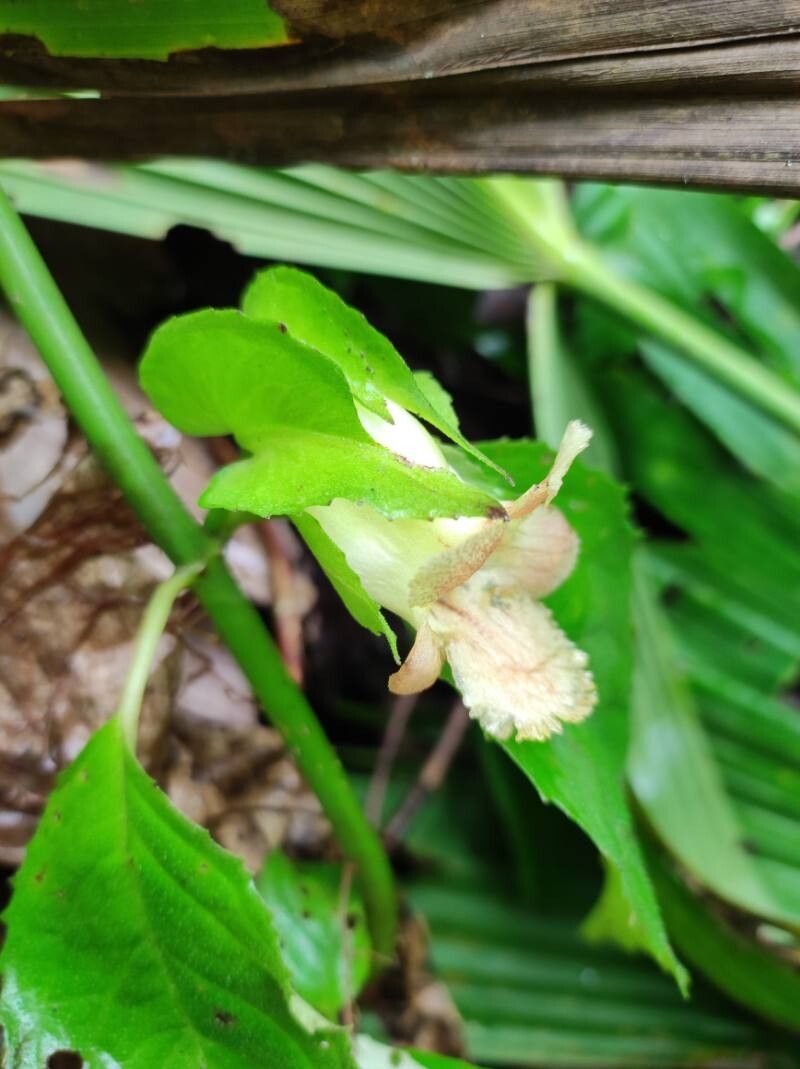
Unlocking the Secrets: How to Propagate Drymonia serrulata, the “Hummingbird Plant”
Drymonia serrulata, nicknamed the “Hummingbird Plant” for its vibrant flowers that attract these beautiful birds, is a captivating addition to any indoor garden. Its cascading foliage and unique, bell-shaped blooms make it a real showstopper. But what if you wanted more than just one plant? Luckily, propagating Drymonia serrulata is surprisingly simple.
The Magic of Stem Cuttings
The most common and successful method of propagation for this plant is by taking stem cuttings. Here’s a step-by-step guide:
- Choose the Right Cuttings: Select healthy, non-flowering stems with a few good nodes (the points where leaves grow). Ideally, these stems should be about 4-6 inches long.
- Make Clean Cuts: Using sharp, sterilized scissors or a knife, make a clean cut just below a node.
- Remove Lower Leaves: Cut away the lower leaves on the stem to prevent rotting in the rooting medium.
- Prepare the Rooting Medium: Use a well-draining mixture like perlite, vermiculite, or a peat moss and perlite blend. You can also use a small pot filled with seed-starting mix.
- Insert the Cuttings: Gently dip the cut end of the stem into rooting hormone powder (optional). Then, carefully insert the cutting into the prepared medium, ensuring the nodes are buried.
- Keep It Moist: Mist the cuttings lightly with water to maintain humidity. Cover the pot with a clear plastic bag or dome to create a mini-greenhouse environment.
- Provide Warmth and Light: Position the cuttings in a bright, indirect light location with temperatures around 70-75°F. Avoid direct sunlight, which can scorch the delicate leaves.
- Patience is Key: Rooting can take a few weeks to a couple of months, depending on the environment and the type of rooting hormones used. Be patient and keep the medium moist.
Signs of Success
You’ll know your Drymonia serrulata cuttings are rooting successfully when you see new growth emerging from the nodes. Once they have established roots and new growth, you can gradually acclimate them to their new homes in individual pots filled with well-draining potting mix.
Alternative Propagation Methods:
While stem cuttings are the most popular method, Drymonia serrulata can also be propagated from leaf cuttings. This process is a bit slower but still achievable. Simply cut a leaf blade off the plant, ensuring you include a small piece of stem.
Tips for Success:
- Cleanliness is Key: It is crucial to use sterilized tools to prevent the introduction of diseases.
- Moisture is Crucial: Maintaining a consistently moist environment is essential for rooting success. However, avoid overwatering, which can lead to root rot.
- Be Patient: It takes time for new roots to develop. Enjoy the process and celebrate the first signs of new life!
More than Just a Plant:
Drymonia serrulata is a remarkable plant that not only beautifies your home but also attracts pollinators like hummingbirds, bringing a touch of nature’s magic indoors. By propagating this unique plant, you can share its beauty with others and create a mini “Hummingbird Garden” of your own.
With some patience and the right techniques, propagating Drymonia serrulata can become a rewarding and enjoyable experience. So, get ready to unlock the secrets of this fascinating plant and watch it flourish in your own home!