
From Seed to Shrub: Unlocking the Secrets of German Broom Propagation
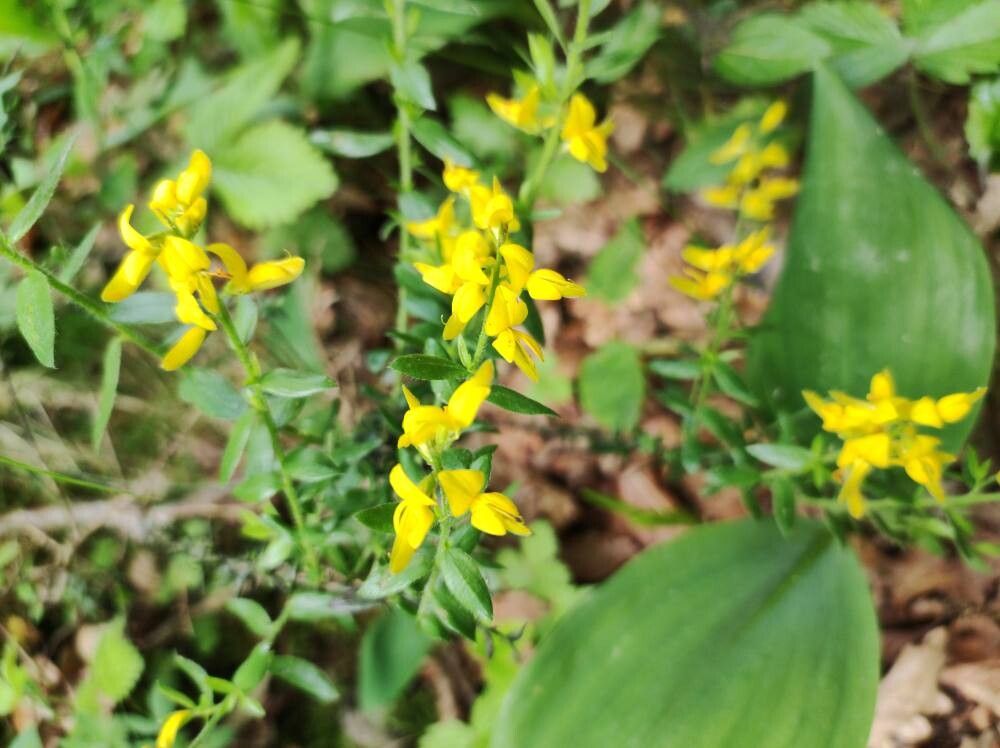
The German broom (Genista germanica), with its vibrant yellow blooms cascading across a bushy frame, adds a splash of sunshine to any garden. But did you know you can easily expand your collection of this charming shrub through propagation? This ancient art of plant cloning is surprisingly accessible, allowing you to create new plants from existing ones, whether you’re a seasoned gardener or just starting out.
Taking the Seed Route
Let’s start with the most straightforward method: seed propagation. While it may seem intimidating, propagating German broom from seed isn’t as complicated as it sounds.
Gather Your Seeds: Collect the tiny, black seeds from mature seedpods of your existing German broom. These pods turn brown and dry as the plant begins to senesce.
Scarification to Boost Germination: German broom seeds have a hard seed coat that hinders germination. Scarification, a process of weakening the seed coat, improves the chances of successful sprouting. This can be done by gently rubbing the seeds against sandpaper or soaking them in warm water for 24 hours.
Sowing in the Right Conditions: Sow the seeds in a seed tray filled with a well-draining seed-starting mix. Gently press the tiny seeds into the soil surface and cover them with a light dusting of compost. Water thoroughly and keep the tray in a warm, sunny spot, maintaining consistent moisture.
- Patience is Key: Germination can take several weeks, so don’t be discouraged if you don’t see anything immediately. Once the seedlings emerge, thin them to ensure adequate spacing for growth.
Harnessing the Power of Cuttings
If you’re eager to see results faster, taking cuttings from your existing German broom is another excellent option. This method involves creating new plants from stems.
Choosing Your Cuttings: In late spring or early summer, when the plant is in active growth, select healthy 4-6 inch cuttings from the current year’s growth. Ensure you snip them just below a node, the point where leaves emerge.
Preparing the Cuttings: Remove the leaves at the bottom of the cuttings, leaving only a few at the top. Dip the cut end in rooting hormone to stimulate root development.
Providing the Perfect Environment: Plant the cuttings in pots filled with a well-draining potting mix. Keep them in a shady, humid environment, ideally under a plastic dome or propagation mat.
- Nurturing New Roots: Regular misting and gentle watering are crucial for keeping the cuttings moist. Once the new roots develop, usually within a few weeks, you can gradually acclimatize them to full sun and transplant them to a permanent location.
Key Considerations for Successful Propagation
No matter which method you choose, keeping these key factors in mind will increase your success rate:
- Timing is Everything: Propagate German broom in late spring or early summer, while the plant is actively growing.
- Light & Temperatures: Ensure adequate sunlight and warm temperatures, as these are vital for successful germination and root development.
- Moisture Management: Maintain consistent moisture levels in the soil without overwatering, which can lead to root rot.
- Patience is a Virtue: Propagation, especially with seeds, requires patience. The process takes time, and consistent care is essential for success.
Propagating German broom is a rewarding experience for any gardener, whether you’re seeking to expand your collection or simply enjoy the satisfaction of creating new life from existing plants. With a little time, effort, and these simple tips, you can easily unleash the beauty of German broom and watch it flourish in your garden for years to come.