
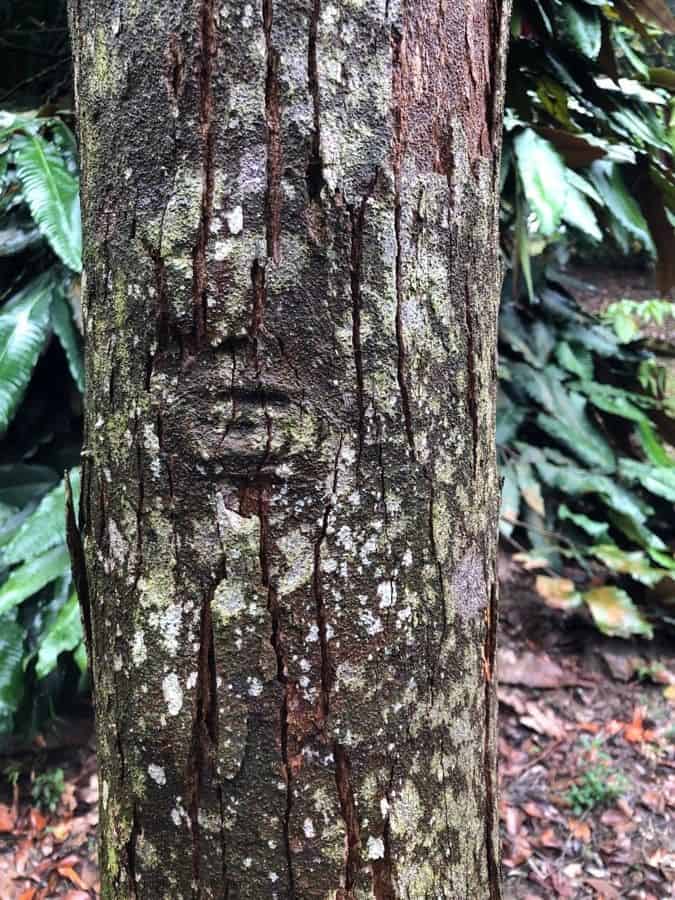
Unlocking the Secrets of the Kapur Tree: A Guide to Propagating Dryobalanops aromatica
The Dryobalanops aromatica, more commonly known as the Kapur tree, stands as a majestic giant in the rainforests of Southeast Asia. Prized for its aromatic camphor crystals and durable timber, this critically endangered species holds immense cultural, ecological, and economic importance.
While naturally occurring Kapur trees are dwindling, passionate individuals can contribute to their conservation by successfully propagating this magnificent species. And trust us, it’s a rewarding challenge!
Understanding the Challenges of Propagation
Before we delve into the techniques, it’s important to acknowledge that propagating Dryobalanops aromatica is not a walk in the park. This species exhibits recalcitrant seeds, meaning they are short-lived and lose viability quickly after dispersal. This characteristic poses a significant challenge for both natural regeneration and artificial propagation efforts.
However, with the right knowledge and a dash of dedication, success is achievable.
Two Paths to Propagation: Seeds and Cuttings
There are two primary methods for propagating Dryobalanops aromatica:
1. Seed Propagation:
- Seed Collection and Handling: The key to success lies in obtaining fresh, viable seeds. Ideally, collect mature capsules directly from the tree before they dehisce (split open). Alternatively, source seeds from reputable suppliers specializing in endangered species. Due to their short lifespan, sow the seeds immediately after collection or storage.
- Sowing Technique: Sow the seeds in a well-draining potting mix rich in organic matter. Plant them at a depth of 1-2 cm and mist the soil regularly to maintain a constantly moist environment.
- Germination: Germination can take anywhere from a few weeks to several months. Be patient and ensure consistent moisture and warmth.
- Seedling Care: Once germinated, provide the seedlings with dappled sunlight and well-drained soil. Regular watering is crucial, especially during dry periods.
2. Propagation from Cuttings:
- Cutting Selection and Preparation: Select healthy, semi-hardwood cuttings from mature, disease-free trees. The cuttings should be around 15-20 cm long with at least two nodes. Remove leaves from the lower portion of the cutting to prevent rotting.
- Rooting Hormone: Treat the base of the cutting with a rooting hormone to encourage root development.
- Planting and Care: Plant the prepared cuttings in a well-draining rooting medium, ensuring at least one node is buried. Maintain high humidity by covering the cuttings with a plastic bag or using a propagation dome.
- Root Development: Root formation can take several weeks. Be patient and monitor the cuttings for signs of new growth. Once roots are established, gradually acclimatize the cuttings to outdoor conditions.
Patience is Key!
Regardless of the chosen propagation method, patience is paramount. The journey from seed or cutting to a thriving sapling requires dedication and continuous observation.
Contributing to Conservation
By successfully propagating Dryobalanops aromatica, you actively contribute to the conservation of this magnificent and threatened tree. Whether you’re a seasoned gardener or a passionate beginner, the satisfaction of nurturing a Kapur tree from its infancy is an experience like no other. Remember, each successfully propagated tree represents a step towards protecting this iconic species for generations to come.