
Propagating Three-way Sedge (Dulichium arundinaceum): A Gardener’s Guide
Introduction:
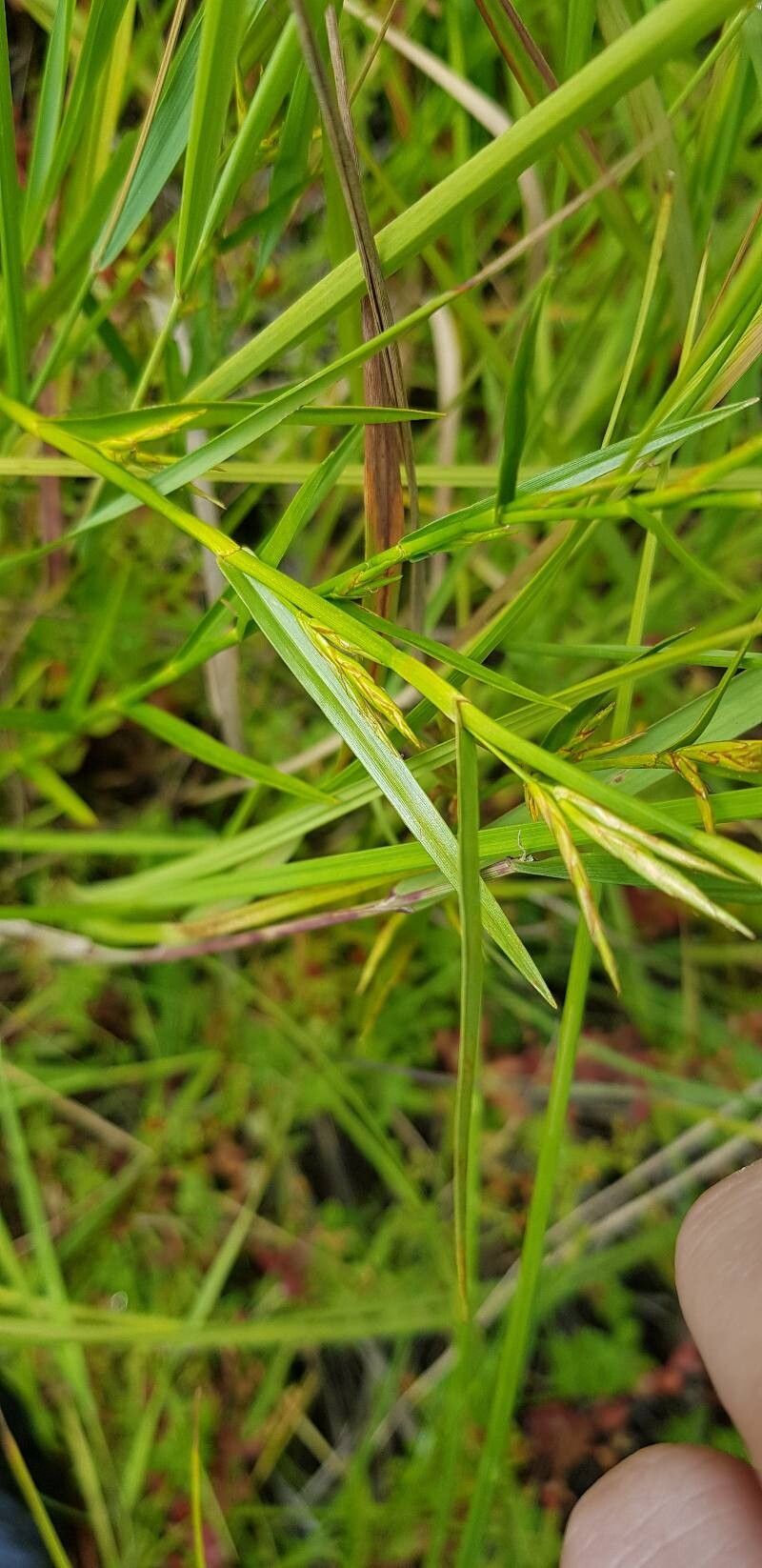
Dulichium arundinaceum, commonly known as three-way sedge, is a graceful, aquatic perennial valued for its delicate, airy foliage and its ability to thrive in wet, boggy conditions. Its slender, three-ranked leaves create a visually appealing texture in water gardens and naturalistic settings. While not as widely cultivated as some other aquatic plants, three-way sedge enjoys a dedicated following among gardeners seeking to establish diverse and ecologically rich wetland environments. Its unique growth habit and specific habitat requirements make propagation somewhat challenging, offering a rewarding experience for those who succeed.
Seed Germination:
Currently, there are no known reliable methods for seed germination propagation of Dulichium arundinaceum. While the plant produces seeds, their germination rates are extremely low, and successful germination under controlled conditions has not been widely documented. Further research into specific seed requirements and potential dormancy-breaking techniques is needed.
Cuttings:
Propagating Dulichium arundinaceum from cuttings is also unreliable. Stem cuttings do not readily root, even under optimal humidity and moisture conditions. The plant’s physiology appears to hinder the development of adventitious roots.
Division:
Division is the most successful and commonly used method for propagating three-way sedge. This involves carefully separating the rhizomes (underground stems) into smaller clumps, each with several shoots and a healthy portion of rhizome.
Challenges: The rhizomes are somewhat fragile and easily damaged. Improper division can lead to plant failure. Timing is also crucial; division is best done in early spring or late summer, during periods of active growth.
Practical Tips: Use a sharp, clean knife or spade to divide the rhizomes. Handle them gently to minimize damage. Plant the divisions immediately after separation in moist, well-prepared soil or directly into the intended aquatic location. Ensure adequate spacing to allow for growth.
Rewards: Division offers higher success rates than other methods and allows for quick increases in plant numbers. It maintains the genetic characteristics of the parent plant.
Tissue Culture:
Tissue culture propagation of Dulichium arundinaceum has not been extensively explored. Due to the lack of published literature on the subject, the viability and success rate of this method remain unknown. Further research would be needed to determine optimal media, growth regulators and protocols for successful propagation.
Conclusion:
Propagating three-way sedge presents unique challenges, with division emerging as the most reliable method currently available. While seed germination and cuttings have proven unreliable, the potential for successful tissue culture propagation requires further investigation. The difficulty in propagation only enhances the sense of accomplishment experienced when successfully establishing new three-way sedge plants. The patience and persistence required are well rewarded by the addition of this elegant and valuable plant to water gardens and wetland restoration projects. For aspiring propagators, I urge patience and meticulous attention to detail; starting with division offers the best chance for success, with the option of exploring experimental methods like tissue culture (with appropriate ethical considerations and thorough research) as a long-term goal.