
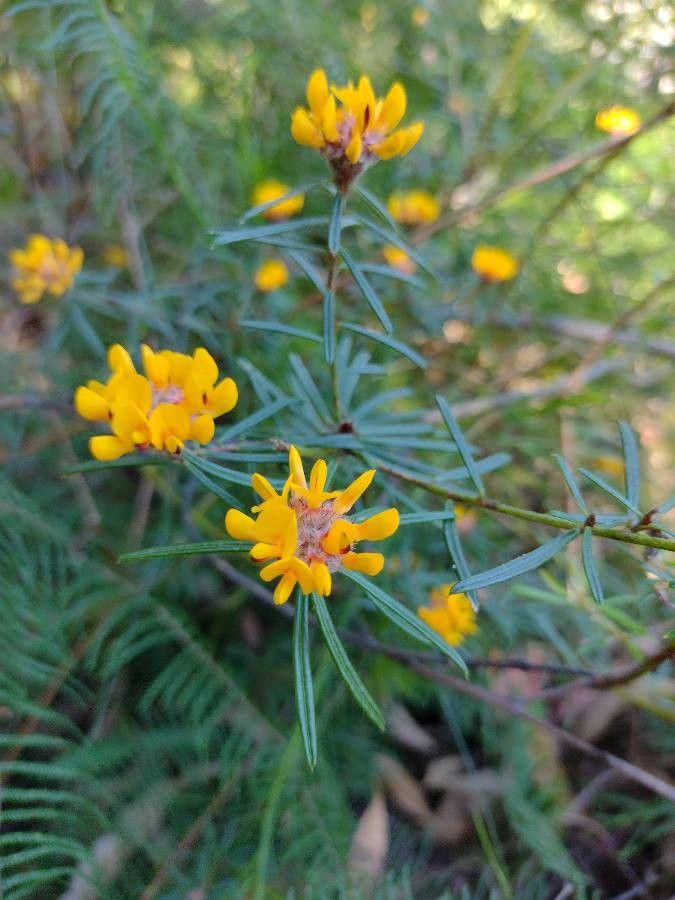
Propagating Pultenaea rosmarinifolia: Rosemary Bush, a Gardener’s Challenge and Reward
Introduction:
Pultenaea rosmarinifolia, commonly known as the Rosemary Bush, is a captivating Australian native shrub prized for its needle-like leaves, reminiscent of rosemary, and its profusion of vibrant yellow pea-like flowers. Its drought tolerance and attractiveness to native pollinators make it a popular choice among gardeners seeking low-maintenance, ecologically friendly landscaping. However, propagating this species can present unique challenges, making successful cultivation all the more rewarding. Its relative difficulty in propagation contributes to its desirability among plant enthusiasts.
Seed Germination:
Currently, there are no known reliable methods for seed germination propagation of Pultenaea rosmarinifolia. While seeds may be produced, their germination rate is notoriously low, and successful germination has not been consistently replicated. This is likely due to factors such as dormancy mechanisms or specific environmental requirements that haven’t yet been fully understood. Further research is needed to determine if pre-treatment techniques like scarification or stratification could improve germination rates.
Cuttings:
Cuttings offer a more reliable method for propagating Pultenaea rosmarinifolia than seed germination.
Challenges: Success rates can vary depending on the time of year, the type of cutting (softwood, semi-hardwood), and the rooting medium used. The cuttings can be susceptible to fungal diseases if not properly treated.
Practical Tips: Semi-hardwood cuttings taken in late spring or early summer, after active growth but before full hardening, generally yield the best results. Use a sharp, clean knife or secateurs to take 8-10cm cuttings, removing lower leaves to prevent rotting. Dip the cut ends in a rooting hormone powder before planting in a well-draining medium (e.g., a mix of perlite and vermiculite). Maintain high humidity using a humidity dome or plastic bag, and ensure consistent moisture without overwatering.
Rewards: Cuttings offer a faster way to establish new plants compared to other methods, preserving the genetic characteristics of the parent plant.
Division:
Division is generally not a practical method for propagating Pultenaea rosmarinifolia. The plant’s root system is not readily divisible into independent sections that can successfully establish themselves.
Tissue Culture:
Tissue culture offers the potential for large-scale propagation of Pultenaea rosmarinifolia, overcoming the limitations of seed and cutting propagation.
Challenges: Tissue culture requires specialized equipment, sterile conditions, and expertise in plant tissue culture techniques. It’s a more complex and expensive method than cuttings.
Practical Tips: Sterile techniques are crucial to prevent contamination. Specific media formulations and growth regulator combinations need to be optimized for Pultenaea rosmarinifolia. Experienced tissue culture labs are necessary for successful propagation.
Rewards: Tissue culture allows for the rapid production of large quantities of genetically identical plants, ideal for commercial propagation or conservation efforts.
Conclusion:
Propagating Pultenaea rosmarinifolia presents unique challenges across all methods. While seed germination remains unreliable, cuttings provide a reasonable alternative for home gardeners. Tissue culture offers potential for large-scale production but requires specialized expertise and resources. The rewards associated with successfully cultivating this beautiful native are significant: the inherent satisfaction of overcoming propagation difficulties, the preservation of a valuable species, and the beauty of the mature Rosemary Bush in a garden setting. Aspiring propagators should begin with the relatively straightforward (though not guaranteed) method of cuttings, focusing on meticulous preparation and maintaining optimal conditions. The perseverance required will ultimately be rewarded with the flourishing of this charming Australian native plant.