
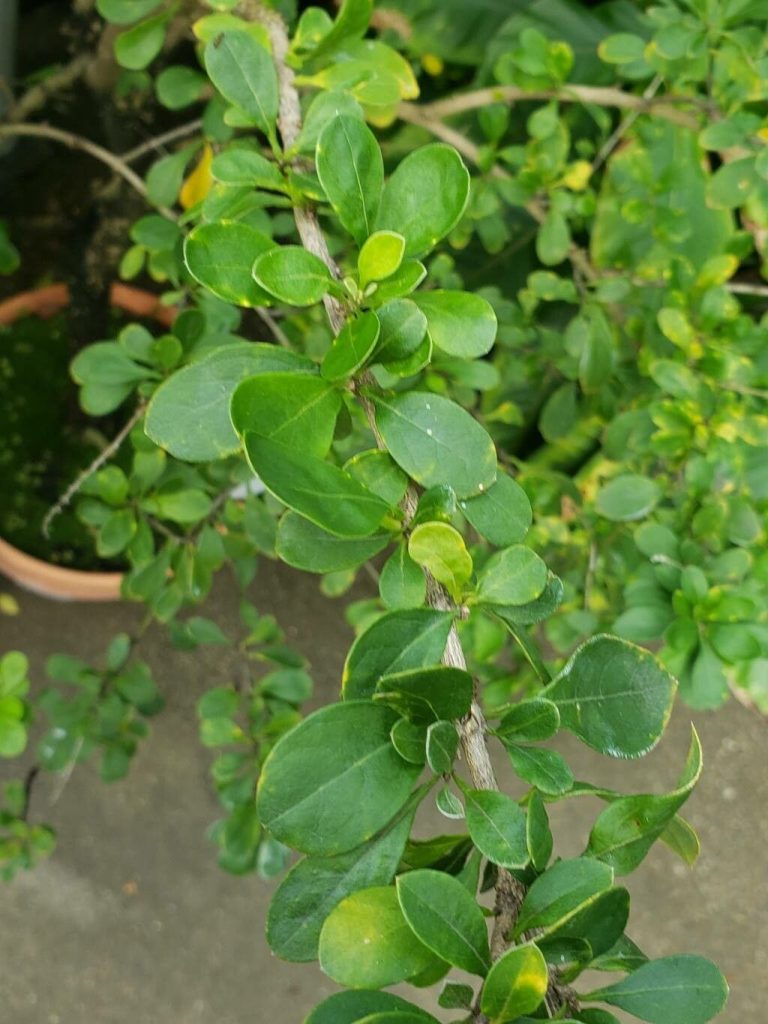
Propagating Duranta stenostachya: A Gardener’s Guide to the Skyflower
Duranta stenostachya, commonly known as the golden dewdrop or pigeon berry, is a popular ornamental shrub prized for its vibrant, cascading branches adorned with clusters of small, purple or white flowers followed by attractive, bright yellow-orange berries. Its relatively low maintenance and resilience make it a favorite among gardeners, but its propagation can present unique challenges. This article explores various methods for successfully propagating this beautiful plant.
Seed Germination:
Currently, there are no known reliable methods for seed germination propagation of Duranta stenostachya. While seeds may be produced, germination rates are notoriously low, and seedlings often exhibit slow growth and inconsistent characteristics. This is likely due to seed dormancy mechanisms or other factors yet to be fully understood. Therefore, relying on seed germination for propagating this species is generally not recommended.
Cuttings:
Cuttings are the most reliable and commonly used method for propagating Duranta stenostachya.
Challenges: While relatively straightforward, success depends on timing and technique. Using older, semi-hardwood cuttings (taken from mature but not fully hardened growth) usually yields the best results.
Practical Tips: Take 4-6 inch cuttings with several nodes. Remove lower leaves to prevent rotting, dip the cut end in rooting hormone, and plant in a moist, well-draining propagation mix (e.g., perlite and peat moss). Maintain high humidity using a humidity dome or plastic bag. Keep the mix consistently moist but not waterlogged. Rooting typically takes several weeks to a few months.
Rewards: Cuttings offer a relatively quick and easy way to produce genetically identical plants, preserving desirable traits. They are also ideal for large-scale propagation of a specific cultivar.
Division:
Division is possible for established Duranta stenostachya plants, especially those that have become quite large and bushy.
Challenges: Dividing can be physically demanding and may stress the parent plant. Improper division can damage the root system, leading to plant failure.
Practical Tips: Carefully dig up the mature plant, gently separate it into smaller sections ensuring each section has healthy roots and adequate stems. Replant the divisions immediately ensuring proper spacing and watering. Avoid disturbing the root ball excessively.
Rewards: Division offers a quick way to increase the number of plants, and can rejuvenate an overgrown Duranta.
Tissue Culture:
Tissue culture offers a highly efficient method for large-scale propagation of Duranta stenostachya and the potential to produce disease free plants.
Challenges: Tissue culture requires specialized equipment, sterile conditions, and expertise in plant tissue culture techniques. It’s a more expensive and time-consuming process compared to cuttings or division.
Practical Tips: Sterile techniques are crucial to prevent contamination. Appropriate plant growth regulators must be used to promote shoot proliferation and rooting.
Rewards: Tissue culture facilitates the rapid multiplication of superior genotypes and allows for the efficient production of large quantities of uniform plants free from pests and diseases.
Conclusion:
Propagating Duranta stenostachya presents both challenges and rewards. While seed germination is unreliable, cuttings provide the easiest and most successful method for the average gardener. Division works well for larger established shrubs, and tissue culture offers a highly efficient method for commercial operations. The process, while sometimes demanding, is ultimately immensely satisfying. The joy of nurturing a cutting from a small stem into a vibrant, flowering shrub far outweighs the initial hurdles. Don’t be discouraged by setbacks—experiment with cuttings, and with patience, you’ll be enjoying the beauty of your successfully propagated Skyflower in no time.