
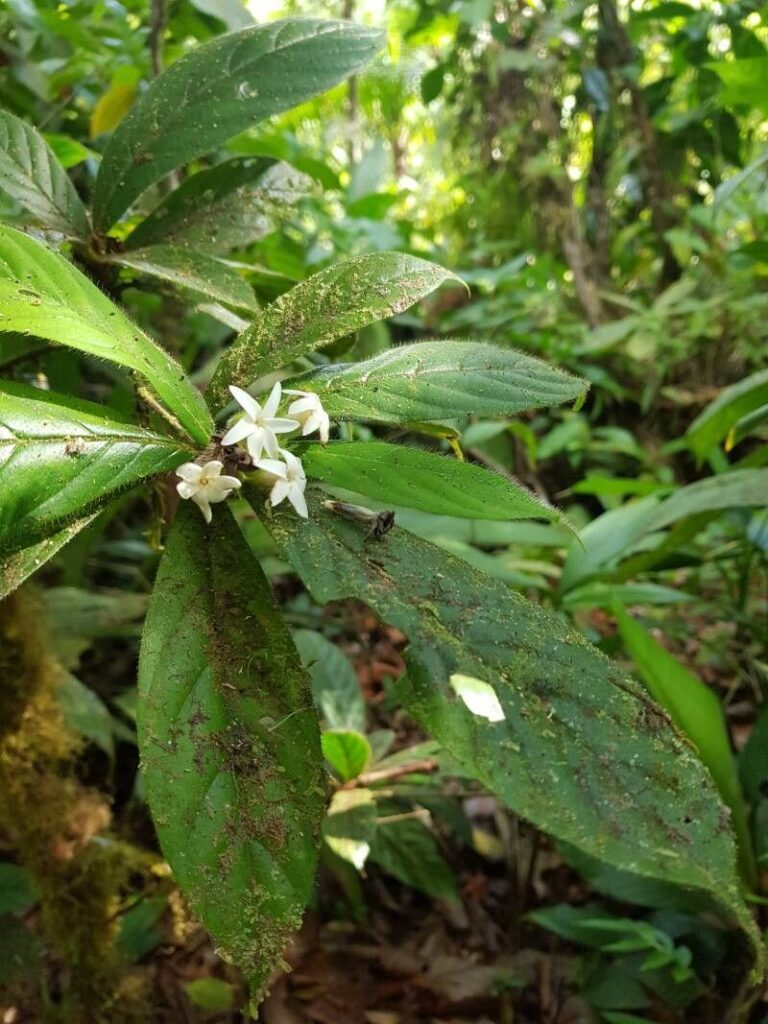
Unlocking the Secrets of the “Lemon Ant Tree”: Propagating Duroia costaricensis
Deep within the rainforests of Central and South America thrives a fascinating species of tree, the Duroia costaricensis. Known colloquially as the “lemon ant tree,” it shares a peculiar, symbiotic relationship with the lemon ant (Myrmelachista schumanni). But beyond this fascinating partnership lies another intriguing aspect: propagation. This article delves into the various methods used to successfully propagate Duroia costaricensis, allowing you to bring a touch of this unique tree into your own life.
Understanding the Basics:
Before diving into propagation methods, it’s beneficial to understand the tree itself. Duroia costaricensis is a relatively small to medium-sized tree, typically reaching heights of 15 to 25 feet. It boasts glossy, dark green leaves and produces small, white flowers that develop into fleshy fruits. These fruits are an important food source for various animals, including the lemon ant, which plays a crucial role in the tree’s life cycle.
Propagation Methods:
Propagating Duroia costaricensis requires patience and a gentle touch, just like navigating the delicate balance of its natural habitat.
-
- Collection: Collect ripe fruits directly from the tree or reputable suppliers. Extract the seeds and clean off any remaining fruit pulp.
- Sowing: Sow the seeds in a well-draining seed starting mix. Keep the soil consistently moist but not waterlogged.
- Germination: Germination can be erratic, taking anywhere from a few weeks to several months. Patience is key!
-
Cuttings:
- Timing: Take semi-hardwood cuttings from healthy, mature branches during the spring or early summer.
- Preparation: Cut a 4-6 inch section from the tip of the branch. Remove the lower leaves and make a small wound at the base of the cutting.
- Rooting: Dip the wounded end in rooting hormone and plant it in a well-draining potting mix. Maintain high humidity and warmth.
Essential Care for Success:
Successfully propagating Duroia costaricensis requires mimicking its natural, tropical environment. Here are some key factors to consider:
- Light: Provide bright, indirect sunlight. Avoid direct sunlight, as it can scorch the delicate leaves.
- Water: Maintain consistently moist soil, but avoid overwatering, which can lead to root rot.
- Humidity: High humidity is crucial, especially for cuttings. Utilize a pebble tray, humidifier, or mist regularly to maintain adequate moisture levels.
- Temperature: Aim for temperatures between 70-80°F (21-27°C) for optimal growth.
A Rewarding Journey:
Propagating Duroia costaricensis might require patience and a bit of effort, but the reward of nurturing a new life from seed or cutting is truly special. These remarkable trees offer a glimpse into the complex and fascinating relationships within rainforests. So, why not embark on this fulfilling journey and welcome a piece of this natural wonder into your own home?