
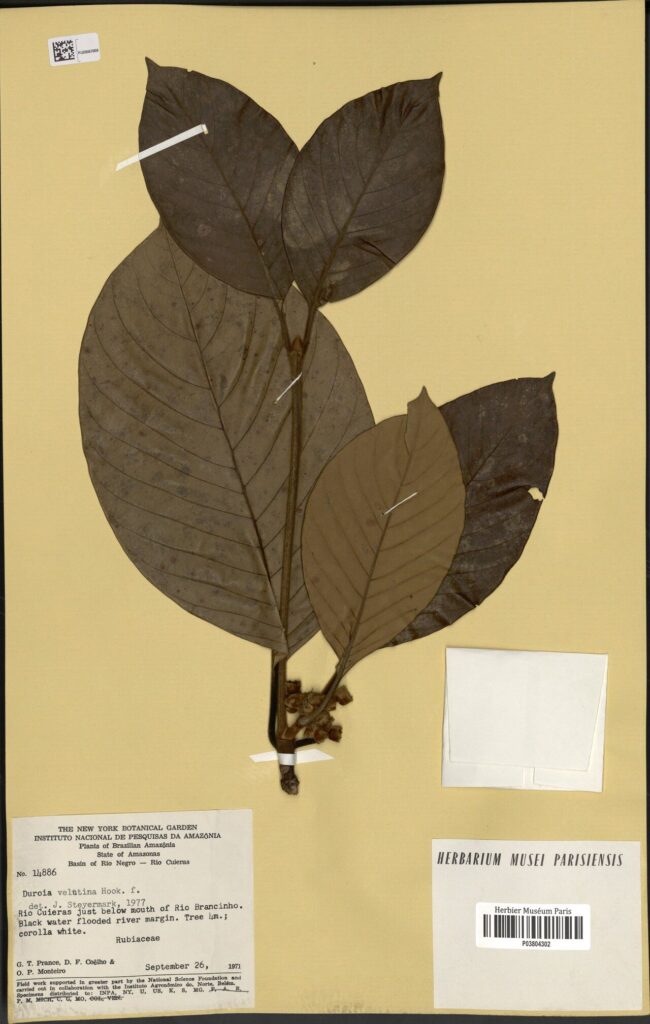
Unlocking the Secrets of the “Devil’s Garden”: Propagating Duroia velutina
Deep within the Amazon rainforest, a fascinating ecological phenomenon unfolds. Patches of seemingly barren land, dominated by a single species of tree, stand out against the lush biodiversity. These are the famed “Devil’s Gardens,” home to the intriguing Duroia velutina tree. While local legend attributes these gardens to an evil forest spirit, the reality is far more fascinating, involving chemical warfare, ant symbiosis, and a unique propagation strategy.
But how do you cultivate this botanical enigma outside its natural habitat? Propagating Duroia velutina presents unique challenges. While information remains scarce due to its specialized environment, recent research and anecdotal evidence point to intriguing possibilities.
Seed Propagation: A Test of Patience
Duroia velutina produces small, inconspicuous fruits containing numerous seeds. In their natural habitat, these seeds are dispersed primarily by ants of the genus Myrmelachista. However, outside this symbiotic relationship, germinating these seeds can be tricky.
- Seed Collection: Source seeds from reputable botanical institutions specializing in tropical plants. Fresh seeds directly from the fruit are ideal, but given the tree’s remote location, this is often impossible.
- Pre-treatment: Soaking the seeds in warm water for 24-48 hours can help soften the tough outer coating and encourage germination.
- Sowing: Plant seeds in a well-draining seed starting mix, lightly covered with soil. Maintaining a consistently warm and humid environment is crucial.
- Patience is key: Germination can be erratic and may take several weeks to months. Don’t lose hope!
Vegetative Propagation: Exploring New Frontiers
Successfully growing Duroia velutina from cuttings or air layering is largely undocumented. However, given the plant’s resilience in the wild, it’s a promising avenue for future experimentation.
- Cuttings: Taking cuttings from healthy branches during the growing season and treating them with rooting hormones could potentially induce root development.
- Air Layering: This method involves stimulating root growth on a stem while it’s still attached to the parent plant. While it hasn’t been documented for Duroia velutina specifically, it could be a viable option.
The Symbiotic Factor: Recreating the “Devil’s Garden”
Duroia velutina‘s unique partnership with Myrmelachista ants plays a significant role in its survival. The ants actively clear competing vegetation, creating the characteristic “garden” and even influencing seed dispersal.
While recreating this intricate relationship outside the Amazon is nearly impossible, understanding its importance underscores the need for careful environmental control when propagating Duroia velutina. Maintaining a sterile growing medium can mimic the ant’s herbicidal actions, preventing competition for nutrients and resources.
Challenges and Rewards:
Propagating Duroia velutina is not for the faint of heart. Its specialized needs and limited research require patience, dedication, and a touch of botanical intuition.
Yet, the rewards are immense. Successfully cultivating this intriguing species allows you to witness firsthand the wonders of the “Devil’s Garden.” Imagine having a living piece of the Amazon rainforest, a testament to the power of symbiosis and the extraordinary adaptations of the natural world, right in your own home.