
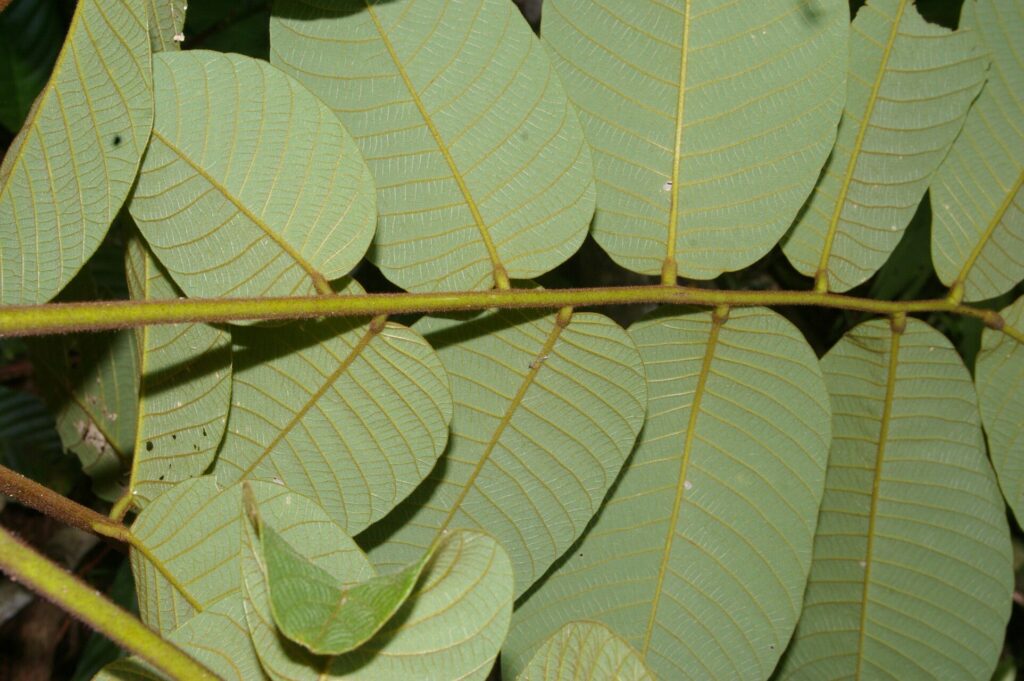
Unlocking the Secrets of the Giant: Propagating Dussia macroprophyllata
Dussia macroprophyllata, with its impressive size and vibrant flowers, might seem like a plant better suited for botanical gardens than backyard gardens. But don’t let its grandeur intimidate you! This tropical beauty, also known as the “giant dusia,” can be propagated at home with a bit of patience and the right knowledge.
While information on propagating Dussia macroprophyllata is limited due to its relatively recent popularity, we can rely on what we know about its family, Fabaceae (the legume family), and insights from experienced growers.
Two main methods hold promise for propagating this majestic tree:
1. Seed Propagation: A Test of Patience and Timing
Like many legumes, Dussia macroprophyllata produces seeds encased in pods. However, sourcing these seeds can be tricky as they are not readily available commercially. Your best bet is connecting with other enthusiasts or botanical gardens that might share seeds from their collections.
Here’s a step-by-step guide for seed propagation:
- Scarification: The seeds have a hard outer shell that needs to be softened for successful germination. Gently nick or scarify the seed coat with a file or sandpaper, being careful not to damage the inner embryo.
- Soaking: Soak the scarified seeds in warm water for 24 hours to enhance water absorption and encourage germination.
- Sowing: Use a well-draining seed starting mix and sow the seeds about an inch deep.
- Warmth and Humidity: Provide a warm and humid environment with temperatures around 75-85°F (24-29°C). A seedling heat mat or a warm, bright location out of direct sunlight is ideal.
- Patience is Key: Germination can be erratic and may take anywhere from a few weeks to several months. Ensure the soil remains consistently moist but not waterlogged.
2. Cutting Propagation: A Faster, But Less Reliable, Route
Propagating Dussia macroprophyllata from cuttings is another option, though success rates can vary. This method requires a healthy mother plant from which to take cuttings.
Follow these steps for cutting propagation:
- Timing is Crucial: Take cuttings during the active growing season, ideally in spring or early summer.
- Select Healthy Cuttings: Choose semi-hardwood cuttings, about 4-6 inches long, from healthy branches with new growth. Remove the lower leaves, leaving 2-3 leaves at the top.
- Hormone Boost: Dipping the cut end in rooting hormone powder can increase the chances of successful rooting.
- Planting the Cuttings: Plant the cuttings in a well-draining potting mix, burying at least two nodes below the surface.
- Warmth, Humidity, and Light: Provide a warm, humid environment similar to seed propagation, but avoid direct sunlight. A humidity dome or plastic bag over the pot can help maintain moisture.
Caring for Your Dussia macroprophyllata:
Whether you choose seed or cutting propagation, providing the right care is essential for healthy growth:
- Well-Draining Soil: Dussia macroprophyllata thrives in well-draining soil. A mix of peat moss, perlite, and vermicast is an excellent option.
- Sunlight Requirements: While it enjoys bright, indirect light, it’s best to protect young plants from harsh, direct sunlight.
- Water Wisely: Keep the soil consistently moist but not waterlogged. Allow the top inch of soil to dry out between waterings.
- Fertilize Regularly: Feed your Dussia macroprophyllata with a balanced fertilizer during the growing season (spring and summer).
While propagating Dussia macroprophyllata requires some effort, the rewards of nurturing this magnificent tree from seed or cutting are immeasurable. With patience, dedication, and a little bit of luck, you can add this tropical giant to your collection and marvel at its beauty for years to come.