
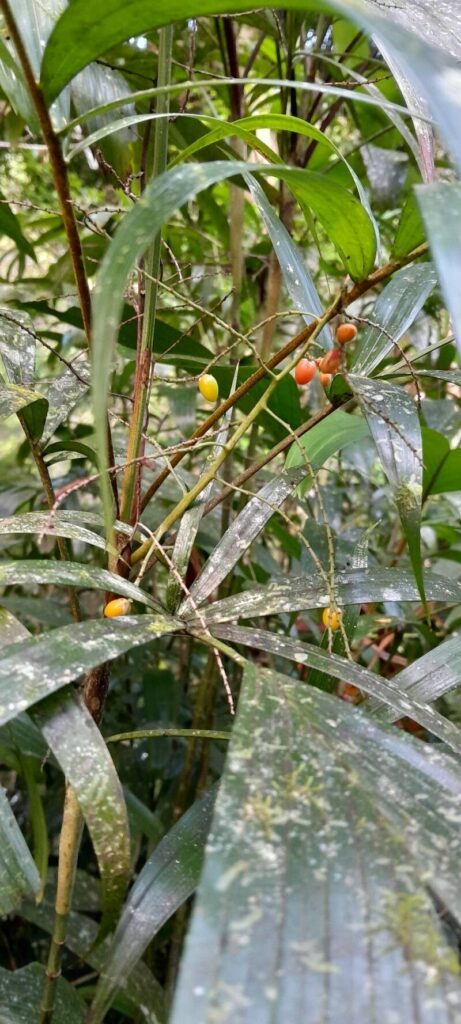
Unveiling the Secrets of Dypsis Henrici Propagation: A Guide to Multiplying Your Majestic Palm
The Dypsis henrici, with its slender trunk and gracefully arching fronds, is a stunning palm native to Madagascar. This tropical beauty, also known as the Teddy Bear Palm or the Majestic Palm, can transform any space into a verdant oasis. If you’re lucky enough to have one gracing your home, you might be wondering how to multiply your good fortune. Luckily, Dypsis henrici propagation, while not as common as with other palm species, is possible with some patience and the right techniques.
Understanding the Challenges and Rewards
Before we delve into the methods, it’s essential to understand that Dypsis henrici propagation is not as straightforward as with some other palms. They primarily reproduce through seeds, which can be challenging to source and germinate. Moreover, seedlings are known for their slow growth, requiring years of dedicated care to reach maturity.
However, the rewards are well worth the effort. Successfully propagating your Dypsis henrici allows you to expand your collection, share these stunning palms with fellow enthusiasts, and witness the miracle of new life unfold before your eyes.
Method 1: Seed Propagation
- Sourcing Seeds: Finding viable Dypsis henrici seeds can be challenging. Online retailers specializing in rare palm seeds are your best bet. Ensure the source is reputable to increase your chances of success.
- Germination Process:
- Soak the seeds in lukewarm water for 24 hours to soften the outer shell.
- Plant the seeds individually in small pots filled with a well-draining seed-starting mix.
- Bury the seeds about an inch deep and water thoroughly.
- Place the pots in a warm location (around 80-85°F) with indirect sunlight. A seedling heat mat can be beneficial.
- Patience is key! Germination can take anywhere from a few months to a year or more. Continue to keep the soil consistently moist but not waterlogged.
Method 2: Offshoot Propagation
While less common, mature Dypsis henrici palms may occasionally produce offshoots or suckers at the base. These offshoots offer a slightly faster propagation method with a higher success rate than seeds.
- Timing is Crucial: Offshoots should have developed their own root system before attempting separation. Look for offshoots that are at least 12 inches tall.
- Careful Separation:
- Using a sterilized, sharp knife or pruning shears, carefully separate the offshoot from the mother plant, ensuring you retain a good portion of roots.
- Dust the cut surfaces of both the offshoot and the mother plant with fungicide to prevent infection.
- Potting and Care:
- Plant the offshoot in a well-draining potting mix, ensuring the base of the offshoot is level with the soil surface.
- Water thoroughly and provide the same care as you would for a mature Dypsis henrici.
Caring for Your New Palms
Whether you’ve germinated seeds or propagated an offshoot, consistent care is crucial:
- Light: Provide bright, indirect sunlight. Avoid exposing young plants to direct sunlight as it can scorch their delicate leaves.
- Water: Water regularly, keeping the soil consistently moist but not waterlogged. Allow the topsoil to dry slightly between waterings.
- Humidity: Dypsis henrici thrives in humid environments. Mist the leaves regularly or consider using a humidifier.
- Fertilizer: Feed your palms during the growing season (spring and summer) with a balanced, slow-release fertilizer.
Propagating your Dypsis henrici requires patience, diligence, and a touch of green thumb magic. While challenging, the rewards of successfully multiplying these elegant palms are immeasurable. So, embrace the journey, and with care and dedication, you’ll be rewarded with a thriving collection of these majestic beauties.