
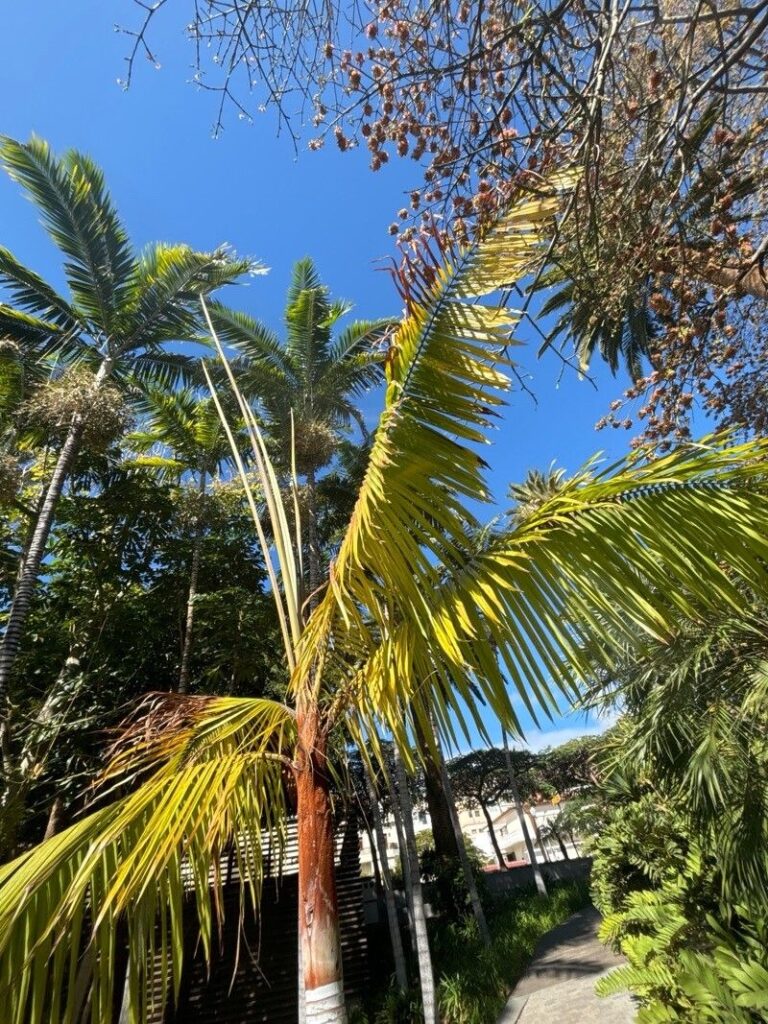
Unveiling the Secrets of Dypsis Lastelliana Propagation: A Guide for Cultivating This Tropical Beauty
The Dypsis lastelliana, also known as the “Triangle Palm” due to its distinctively shaped leaf bases, is a stunning palm native to Madagascar. Its elegant fronds and manageable size make it a sought-after addition to gardens and homes. While finding this beauty in nurseries can be a challenge, propagating your own Dypsis lastelliana is an attainable feat even for novice gardeners. This comprehensive guide will unveil the secrets of successfully propagating this tropical treasure.
Understanding the Basics
Before diving into the methods, it’s crucial to understand that Dypsis lastelliana primarily reproduces through seeds. Unlike some palm species that produce offshoots, this palm relies on its seeds to generate new growth. This method, while rewarding, requires patience as germination times can vary significantly.
Sourcing Your Seeds
The first hurdle in your propagation journey is obtaining viable seeds. Reputable online retailers specializing in palm seeds are your best bet. When purchasing, ensure the seeds are fresh and haven’t been stored for extended periods. Look for plump, healthy-looking seeds for the highest chances of success.
The Art of Germination
Now to the heart of the matter – germinating your Dypsis lastelliana seeds. Follow these steps to maximize your success:
- Preparation is Key: Scarify the seeds by gently nicking or sanding the outer shell. This process helps water penetrate and kickstart germination.
- Soaking for Success: Soak the scarified seeds in warm water for 24-48 hours. This step softens the seed coat further and encourages sprouting.
- Creating the Ideal Environment: Plant each seed about an inch deep in a well-draining potting mix specifically formulated for palms.
- Warmth and Humidity are Your Allies: Maintain a consistent temperature of around 75-85°F (24-29°C). A seedling heat mat can prove invaluable for achieving this. Cover the pots with a humidity dome or plastic wrap to trap moisture and mimic the warm, humid conditions this tropical palm loves.
- Patience is a Virtue: Germination times for Dypsis lastelliana are notoriously variable, ranging from a few weeks to several months. Don’t lose heart if you don’t see sprouts immediately. Keep the soil consistently moist, but not waterlogged, and ensure the environment remains warm and humid.
Post-Germination Care
Witnessing that first sprout emerge is a rewarding experience. As your seedlings grow, provide them with bright, indirect light. Avoid direct sunlight, as it can scorch their delicate leaves.
Fertilize your young palms every 4-6 weeks with a balanced, diluted liquid fertilizer designed for palms. Once the seedlings have developed a robust root system and several sets of leaves, you can gradually acclimate them to larger pots as needed.
Cultivating Your Tropical Oasis
Propagating your own Dypsis lastelliana is a labor of love that yields stunning results. While it demands patience and dedication, the process itself is incredibly gratifying. By following these guidelines, you can cultivate these beautiful palms and introduce a touch of the tropics into your own green haven.