
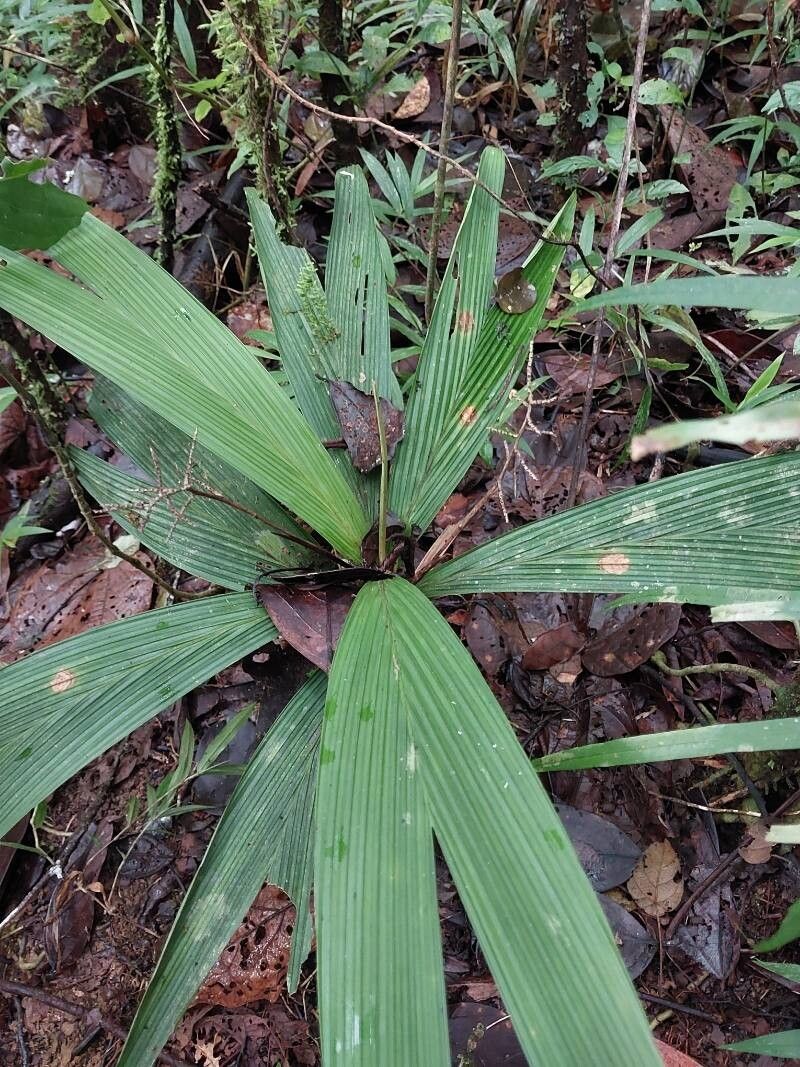
Propagating Dypsis louvelii: A Challenge Worth Embracing
Dypsis louvelii, also known as the Louvel’s Palm, is a captivating member of the Arecaceae family, prized for its elegant, slender, and relatively fast-growing habit. Its feathery fronds create a lush, tropical feel, making it a highly sought-after ornamental plant for gardens and landscaping projects around the world. However, its popularity amongst gardeners is matched by the challenges associated with its propagation. Understanding these challenges and employing appropriate techniques is key to success.
Seed Germination:
Currently, there are no known reliable methods for seed germination propagation of Dypsis louvelii. While the plant produces seeds, germination rates are notoriously low, and successful germination under cultivation has yet to be consistently documented. Further research is needed to determine if specific environmental factors or pre-treatment techniques can improve germination success.
Cuttings:
Cuttings are also not a viable method for propagating Dypsis louvelii. Palms, in general, are notoriously difficult to propagate from cuttings due to their apical dominance and limited ability to regenerate from stem or leaf sections. Attempting propagation via cuttings is unlikely to yield positive results.
Division:
Division is also largely unfeasible for Dypsis louvelii propagation. This method relies on separating established plants into smaller, independent units, each with its own root system. Dypsis louvelii tends to form a single, relatively unbranched trunk making division impractical and likely damaging to the mother plant.
Tissue Culture:
Tissue culture presents the most promising—though still challenging—avenue for propagating Dypsis louvelii. This laboratory-based technique involves growing plant tissues in a sterile, nutrient-rich medium. While potentially capable of producing numerous genetically identical plants, establishing a successful protocol for Dypsis louvelii requires specialized knowledge, equipment, and aseptic techniques. The challenges lie in optimizing the nutrient media, choosing appropriate explant types, and managing contamination risks. However, the reward – the potential for large-scale propagation of this desirable palm – makes it a worthwhile area of ongoing research for nurseries and botanical institutions.
Conclusion:
Propagating Dypsis louvelii presents significant challenges across all conventional methods. Seed germination and cuttings have proven unreliable, while division is practically impossible. Tissue culture remains the most promising, albeit complex, technique. The difficulties involved underscore the unique satisfaction that cultivating this beautiful palm brings. Successfully growing Dypsis louvelii from tissue culture, despite the hurdles, is a testament to patience, dedication, and horticultural expertise. For aspiring propagators, partnering with experienced tissue culture labs or focusing on sourcing already-established plants may be the most realistic approach until further propagation methods are developed. While the journey may be demanding, the rewards of welcoming a thriving Dypsis louvelii into your garden make the effort undeniably worthwhile.