
Propagating the Ghostly Beauty: Cultivating Weberbauerocereus albus
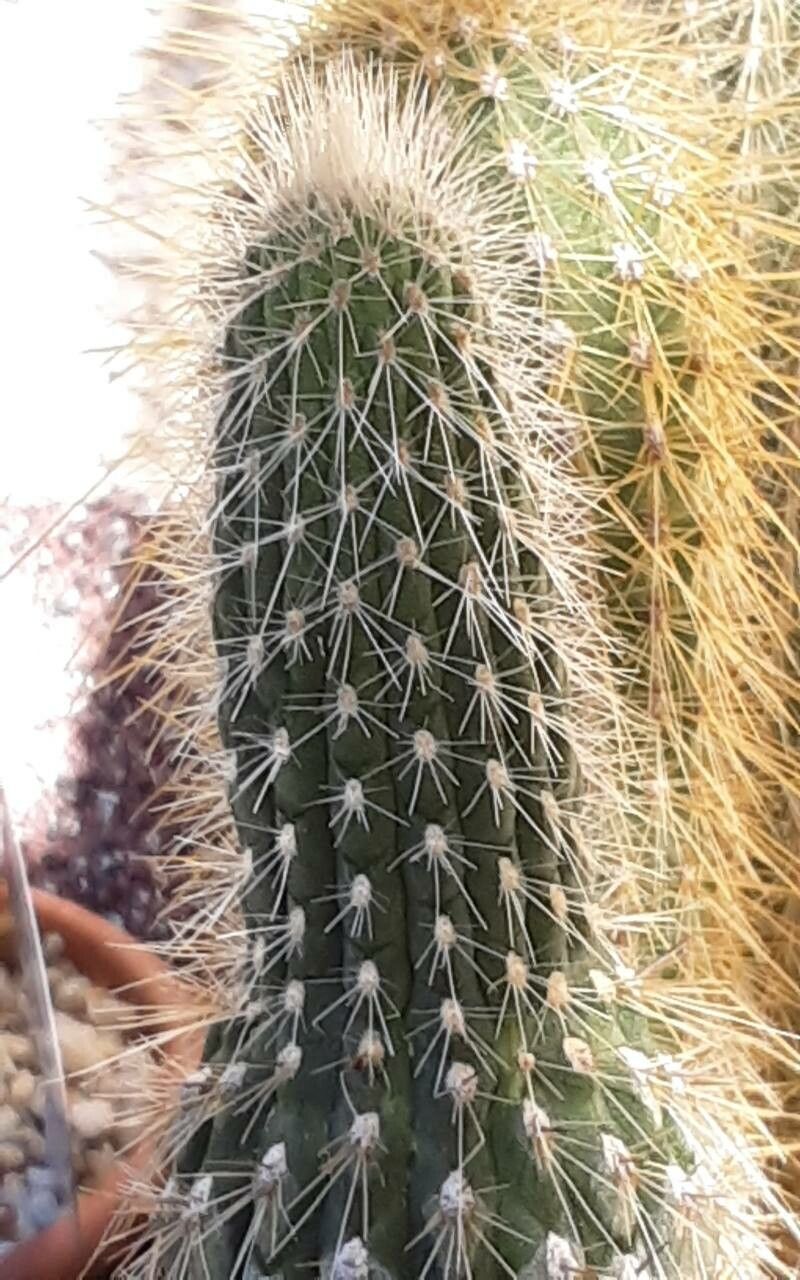
Weberbauerocereus albus, also known as the White Torch Cactus, is a striking columnar cactus native to Peru. Its distinctive characteristics include its tall, slender, greyish-green stems adorned with prominent ribs and a covering of white, woolly hairs, particularly in young growth. This creates a striking, almost ethereal appearance, contributing to its increasing popularity among cactus enthusiasts. Its relative rarity in cultivation, however, makes propagation a challenging but rewarding endeavor.
Seed Germination:
Currently, there are no known reliable methods for seed germination propagation of Weberbauerocereus albus. While seeds may be obtained, germination rates are extremely low, even under optimal conditions. Further research is needed to identify potential germination stimulants or specific environmental requirements to successfully propagate this species via seed.
Cuttings:
Cuttings represent a more viable propagation method for Weberbauerocereus albus. However, this approach also presents challenges.
Challenges: The thick, woody stems can be difficult to root. Rot is a significant risk if the cuttings are not properly prepared and allowed to callous adequately before planting. Slow growth is another factor to consider.
Practical Tips: Use a sharp, sterile knife to take cuttings from healthy, mature stems. Allow the cut end to callous over for several days to a week before planting in a well-draining cactus potting mix. Avoid overwatering, and ensure the rooting environment is warm and bright, but not directly exposed to intense sunlight. Bottom heat can increase success rates. Rooting hormones can also be beneficial.
Rewards: Successfully rooted cuttings result in genetically identical plants, preserving the desirable traits of the mother plant. This method is relatively straightforward once mastered.
Division:
Division is rarely a viable option for propagating Weberbauerocereus albus. This species generally does not produce readily separable offsets or pups like some other cacti.
Tissue Culture:
Tissue culture provides the most promising but technically demanding method for propagating Weberbauerocereus albus.
Challenges: This method requires specialized equipment, a sterile laboratory environment, and a thorough understanding of plant tissue culture techniques. Establishing a suitable culture medium and sterilization protocols for successful propagation is particularly crucial.
Practical Tips: Sterile techniques are paramount, minimizing the risk of contamination by fungi or bacteria. Appropriate media, growth regulators, and carefully controlled environmental conditions are essential for success. Experimentation with different media formulations may be needed to optimize growth and development.
Rewards: Tissue culture allows for large-scale propagation of Weberbauerocereus albus, offering the potential to increase its availability to collectors and gardeners. It also provides a reliable method for disease-free plant production.
Conclusion:
Propagating Weberbauerocereus albus poses significant challenges regardless of the method employed. Seed germination remains largely unsuccessful. While cuttings offer a more realistic approach, patience and attention to detail are crucial to overcome the hurdles of rooting and preventing rot. Tissue culture, although technically demanding, holds the most potential for large-scale cultivation, but requires considerable expertise and investment.
The unique satisfaction derived from successfully cultivating Weberbauerocereus albus stems from overcoming the inherent difficulties. The ghostly beauty of this plant, once established, is a testament to the cultivator’s patience and skill. Aspiring propagators should begin with cuttings, focusing on meticulous preparation and creating ideal rooting conditions. While the journey might be challenging, the rewards – witnessing this striking cactus thrive under your care – are truly unparalleled.