
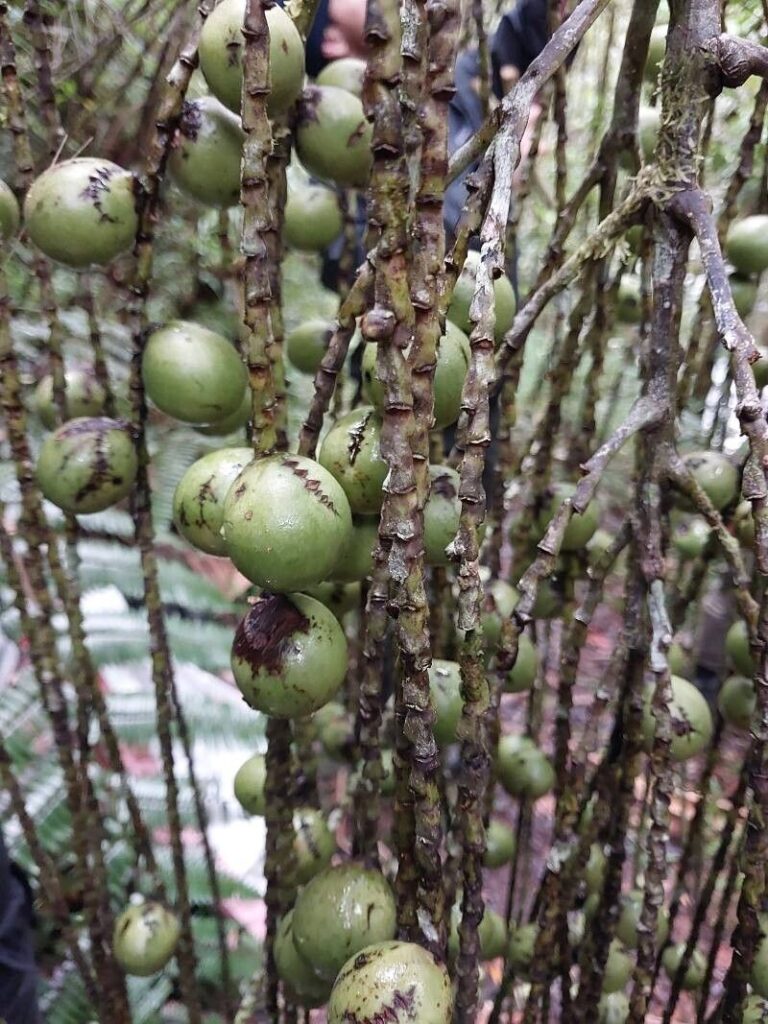
From One Palm to Many: Propagating the Majestic Dypsis Utilis
The Dypsis utilis, also known as the “Dwarf Fan Palm,” is a captivating addition to any subtropical landscape. Its elegant, fan-shaped leaves, graceful trunk, and manageable size make it a popular choice for homeowners and landscapers alike. But what if you could share this beauty with others or create a lush grove of these stunning palms? Enter the world of palm propagation!
This article delves into the fascinating realm of multiplying your beloved Dypsis utilis. We’ll explore two primary propagation methods – seed propagation and offshoot propagation, highlighting their advantages, challenges, and practical tips to ensure success.
Seeds: A Journey from Tiny to Tall
- The Process: Dypsis utilis seeds are readily available online or from specialist nurseries. Before planting, soak the seeds in warm water for 24 hours to soften the tough outer coat. Fill a pot with well-draining potting mix, sow the seeds about an inch deep, and water thoroughly. Maintain a warm, humid environment with temperatures around 70-80°F.
- Patience and Care: Germination can take anywhere from a few weeks to several months. Be patient! Keep the soil consistently moist, but not soggy. Provide bright, indirect light and protect seedlings from frost. Once the seedlings have developed a few leaves, transplant them into larger pots for continued growth.
- Advantages: Seed propagation allows you to grow multiple plants from a single seed source, providing a diverse genetic pool. It’s also a relatively inexpensive method.
- Challenges: Germination rates can be variable, and seedlings are prone to disease and pests. Patience is key, as it may take several years for seeds to mature into substantial palms.
Offspring: Creating a Family of Palms
- The Process: Dypsis utilis produces offshoots, also called “suckers,” at the base of the mother plant. These offshoots develop their own root systems and can be carefully separated from the parent plant. Choose healthy, well-established offshoots with several leaves and a strong root system. Use a sharp knife or pruning shears to carefully cut the offshoot, taking care not to damage the roots.
- Planting and Care: Immediately plant the offshoot in a pot filled with well-draining mix, ensuring the crown (the top) is above the soil. Water thoroughly and place in a shaded location until the offshoot develops a strong root system. After a few weeks, you can gradually acclimate it to full sun.
- Advantages: Offshoot propagation results in faster growth and maturity compared to seed propagation. The offshoots are genetically identical to the parent plant, preserving its unique characteristics.
- Challenges: Finding mature offshoots can be challenging, especially if you’re starting with a single plant. Separate the offshoots with care to minimize root damage.
No Matter the Method, Success is Within Reach
No matter which propagation method you choose, success hinges on providing the right conditions for your Dypsis utilis. Remember to ensure proper drainage, provide consistent moisture, and offer plenty of bright, indirect sunlight. With the right care and patience, you’ll soon be enjoying a flourishing forest of these striking palms.