
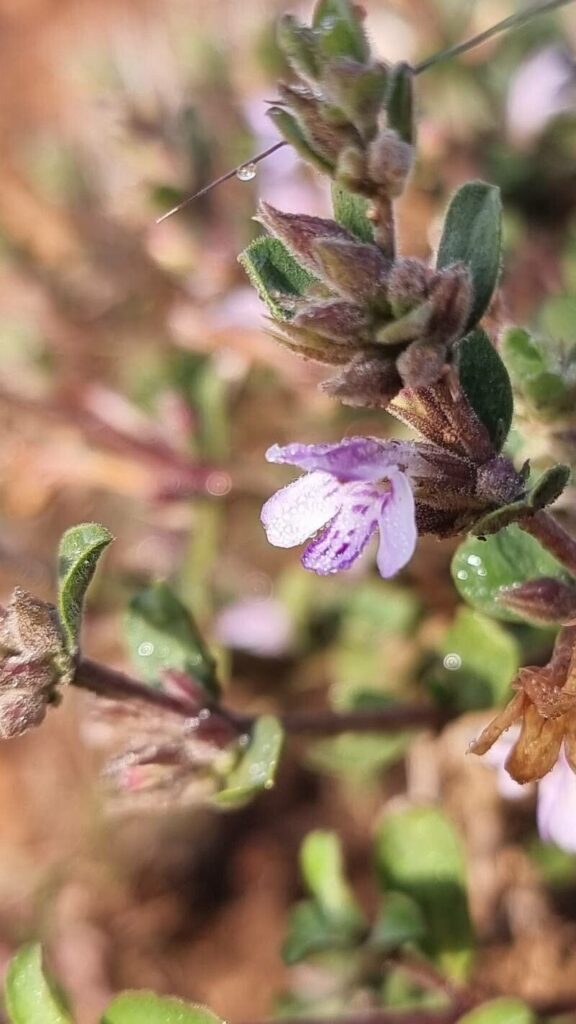
Unleashing the Purple Power: Propagating the Dazzling Dyschoriste hildebrandtii
The Dyschoriste hildebrandtii, also known as the blue honeysuckle or the shrubby bluebell, is a captivating plant native to East Africa. Prized for its vibrant purple blooms and hardy nature, this semi-evergreen shrub adds a touch of exotic beauty to any garden. If you’re looking to expand your collection or share this enchanting plant with friends, propagation is surprisingly simple!
This guide dives into the two most effective methods for propagating your Dyschoriste hildebrandtii:
1. Stem Cuttings: A Journey of Patience and Precision
Propagating from stem cuttings allows you to create a genetically identical copy of your beloved plant. While this method requires patience, the reward of a successfully rooted cutting is worth the wait.
Here’s how to do it:
- Timing is Key: The best time for taking stem cuttings is during the active growing season, ideally in spring or early summer.
- Choose Wisely: Select healthy, non-flowering stems that are about 4-6 inches long. Using clean, sharp pruning shears, make a cut just below a leaf node (the point where a leaf emerges from the stem).
- Prepare the Cutting: Remove the lower leaves from the cutting, leaving only 2-3 pairs at the top. Dip the cut end in rooting hormone powder to encourage root development.
- Potting Up: Plant the cutting in a well-draining potting mix, burying the bottom node. Water gently and cover the pot with a clear plastic bag or humidity dome to create a warm, humid environment.
- Patience, Young Padawan: Place the pot in a warm, bright location out of direct sunlight. It can take several weeks or even months for roots to develop. Check the soil moisture regularly and mist the cutting to maintain humidity. Once new growth emerges, you’ll know your cutting has rooted!
2. Layering: Encouraging Natural Growth
Layering is another effective propagation technique that encourages a stem to develop roots while still attached to the parent plant.
Follow these simple steps:
- Select a Branch: Choose a flexible, healthy stem near the base of the plant.
- Wound and Bury: Gently wound the underside of the chosen stem by making a small cut or scraping away a thin layer of bark. This wound will encourage root formation.
- Bury the Wound: Bend the wounded portion of the stem down to the ground and bury it in a shallow trench filled with moist potting mix. Use a small rock or landscape pin to hold the layered section in place.
- Maintain Contact: Ensure the wounded area remains in constant contact with the soil.
- Time and Separation: After several weeks to months, gently tug on the layered stem. If you feel resistance, roots have likely formed. Carefully separate the newly rooted plant from the parent and pot it up individually.
Important Notes:
- Regardless of your chosen propagation method, always use well-draining soil to prevent root rot.
- Ensure your Dyschoriste hildebrandtii receives adequate sunlight (at least 4-6 hours daily) and water regularly, allowing the soil to dry slightly between waterings.
With a bit of patience and care, you can easily propagate the exquisite Dyschoriste hildebrandtii and enjoy its captivating beauty for years to come. Happy gardening!