
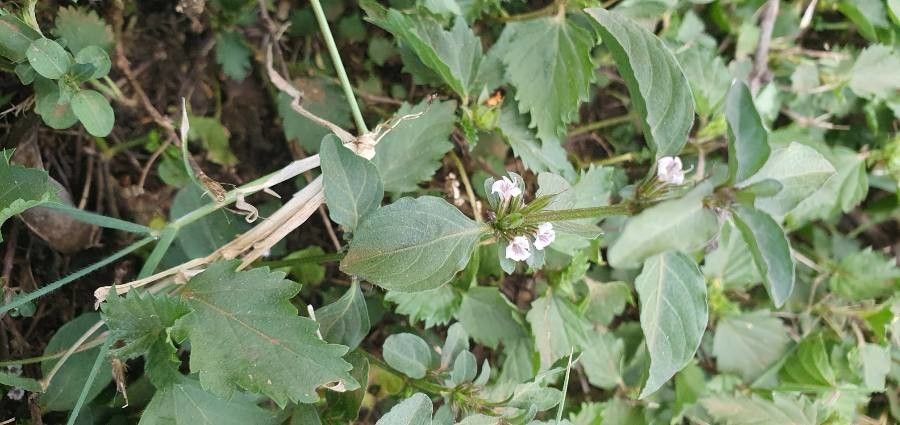
Unlocking the Secrets of Dyschoriste Multicaulis Propagation: Grow Your Own Blue Butterflies!
Dyschoriste multicaulis, also known affectionately as the “Blue Butterfly Bush”, captivates with its profusion of delicate, sky-blue blooms that resemble tiny butterflies alighting on its emerald foliage. Native to Mexico, this semi-evergreen shrub thrives in warm climates, adding a touch of ethereal beauty to gardens and landscapes.
Ready to welcome this enchanting plant into your own outdoor sanctuary? Propagating Dyschoriste multicaulis is a rewarding endeavor, offering a cost-effective way to expand your plant collection and share its beauty with fellow enthusiasts. Let’s delve into the two most effective methods: cuttings and division.
Method 1: Propagation from Cuttings
The Cutting Edge: This method, favored for its reliability and simplicity, involves encouraging a cut stem to develop roots and grow into a new plant.
Here’s how it’s done:
- Timing is Key: The ideal time to take cuttings is during the active growing season in spring or early summer, when the plant’s energy is at its peak.
- Selecting the Right Cuttings: Choose healthy, non-flowering stems that are about 4-6 inches long. Using clean, sharp pruning shears, make a cut just below a leaf node (the point where a leaf emerges from the stem).
- Preparing the Cuttings: Remove the lower leaves from the cutting, leaving only a few leaves at the top.
- Rooting Hormone (Optional): While not strictly necessary, dipping the cut end in rooting hormone can encourage faster and more successful root development.
- Planting the Cuttings: Fill a small pot with a well-draining potting mix. Make a hole in the center using a pencil and gently insert the cutting, ensuring the bottom node is buried in the soil.
- Creating a Humid Environment: Moisture is crucial! Cover the pot with a clear plastic bag or use a humidity dome to create a mini greenhouse effect. Place the pot in a warm, brightly lit area, out of direct sunlight.
- Patience is a Virtue: Keep the soil consistently moist but not waterlogged. New growth, a sure sign of successful rooting, usually appears within a few weeks.
- Transplanting: Once the cutting shows significant growth and a strong root system develops (usually after a couple of months), you can transplant it into a larger pot or directly into your garden.
Method 2: Propagation by Division
Divide and Conquer: This method is especially effective for mature, well-established plants, allowing you to create multiple new plants from a single parent.
Here’s the step-by-step guide:
- Timing is Everything: Early spring, before new growth begins, is the optimal time for division.
- Lifting the Plant: Carefully dig around the base of the plant, ensuring you are a safe distance from the main root ball. Gently lift the entire plant, loosening the soil around the roots.
- Dividing the Plant: Using a sharp, clean knife or pruning shears, carefully divide the root ball into sections. Each section should have a good amount of roots and stems.
- Replanting the Divisions: Prepare planting holes in the desired location, ensuring they are large enough to accommodate the divided sections. Plant each division at the same depth as the original plant and water thoroughly.
- Tender Loving Care: Provide regular watering, especially during the establishment phase, and protect the new plants from harsh sunlight.
A Final Note
Propagating Dyschoriste multicaulis is an enjoyable and rewarding experience, allowing you to multiply your garden’s beauty while fostering a deeper connection with nature’s wonders. With a bit of patience and care, you’ll soon be surrounded by a flutter of delicate blue blooms, transforming your outdoor space into a captivating butterfly haven.