
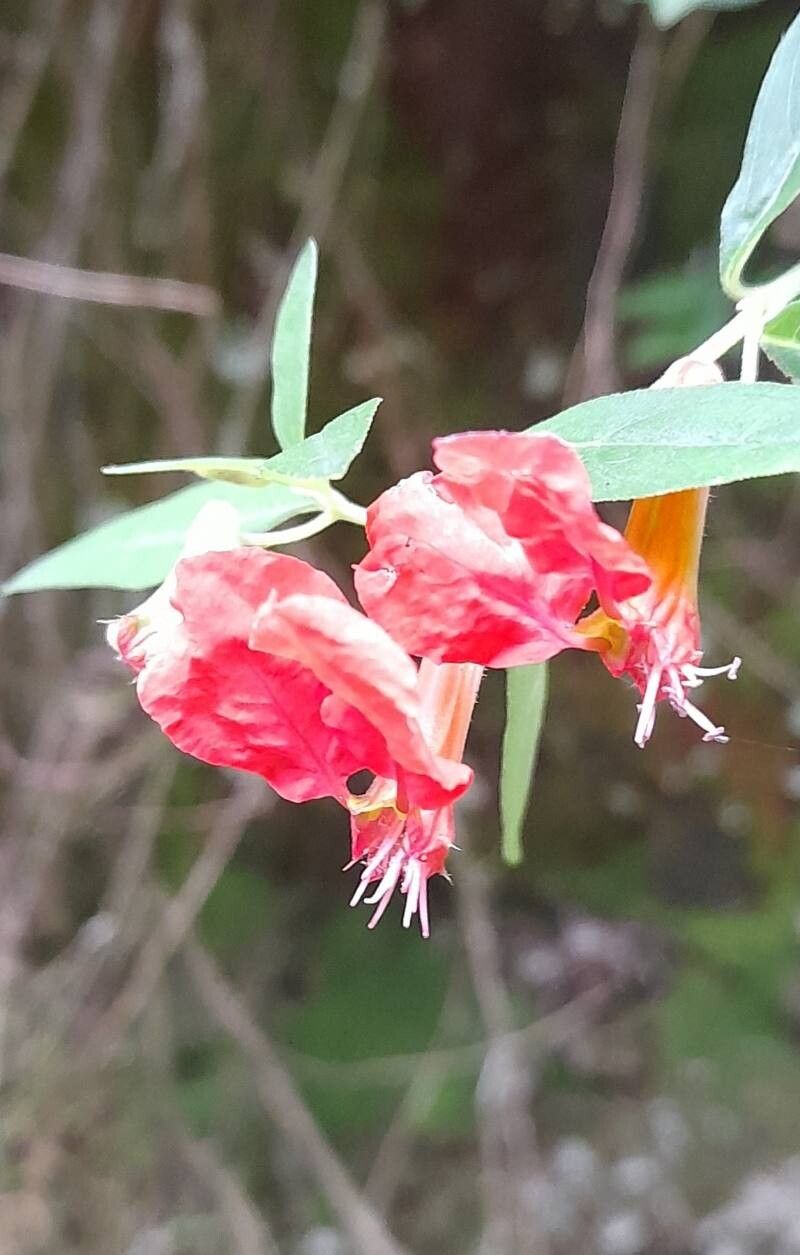
More Bat Face Flowers, Please! A Guide to Propagating Cuphea Cordata
Cuphea cordata, affectionately known as the Bat Face Flower thanks to its unique blossoms, is a charming addition to any garden. With its vibrant orange and purple flowers resembling tiny, smiling bats, this Mexican native brings a touch of whimsy and a whole lot of personality. If you’re smitten with this unusual beauty, you’ll be pleased to know that propagating Cuphea cordata is surprisingly simple. Let’s dive into the how-to and expand your Bat Face Flower family!
Two Methods for Propagation Success
Cuphea cordata can be easily propagated through two main methods:
1. Seed Propagation:
- Timing is Key: Collect seeds from dried seed pods in the fall, or purchase them from a reputable supplier.
- Sowing the Seeds: In spring, start seeds indoors about 6-8 weeks before the last expected frost. Use a well-draining seed starting mix and sprinkle the seeds on the surface, pressing them lightly.
- Light and Warmth: Cuphea cordata seeds need light to germinate. Provide them with a warm and bright location, maintaining a consistent temperature around 70-75°F (21-24°C).
- Water Wisely: Keep the soil consistently moist but not soggy. Using a spray bottle to mist the surface can be helpful.
- Transplanting: Once the seedlings develop a few sets of true leaves and all danger of frost has passed, harden them off gradually and transplant them outdoors in a sunny spot with well-draining soil.
2. Stem Cuttings:
- Prime Time: Take cuttings in late spring or early summer from healthy, non-flowering stems.
- Making the Cut: Using clean, sharp shears, cut a 4-6 inch (10-15 cm) section of stem just below a leaf node (the point where a leaf grows from the stem).
- Prep the Cutting: Remove the lower leaves, leaving only a couple of pairs at the top.
- Rooting Hormone (Optional): Dipping the cut end in rooting hormone can increase the success rate, though it’s not strictly necessary.
- Planting the Cutting: Plant the cutting in a pot filled with a well-draining potting mix, burying the bottom node.
- Creating a Humid Environment: Cover the pot with a clear plastic bag or use a humidity dome to create a mini greenhouse effect. This helps retain moisture and encourages rooting.
- Patience is Key: Keep the soil consistently moist and place the pot in a warm, brightly lit spot, out of direct sunlight. The cutting should root within 4-6 weeks.
- Transplanting: After rooting, gradually acclimate the new plant to outdoor conditions before transplanting it into the garden.
Tips for Success:
- Well-Draining Soil: Cuphea cordata prefers well-draining soil. Amend heavy clay soil with compost or other organic matter to improve drainage.
- Sunlight Requirements: While Cuphea cordata tolerates partial shade, it thrives in full sun, producing more flowers with better color.
- Watering Needs: Water regularly, especially during dry periods, but avoid overwatering, which can lead to root rot.
- Pruning Power: Deadhead spent flowers regularly to encourage more blooms. A light pruning after flowering can help maintain a bushier shape.
By following these simple steps, you can readily propagate your Cuphea cordata and enjoy even more of these delightful “Bat Face Flowers” in your garden. With a little effort, you’ll soon have a whole colony of these whimsical plants, adding a touch of charm and personality to your outdoor haven.