
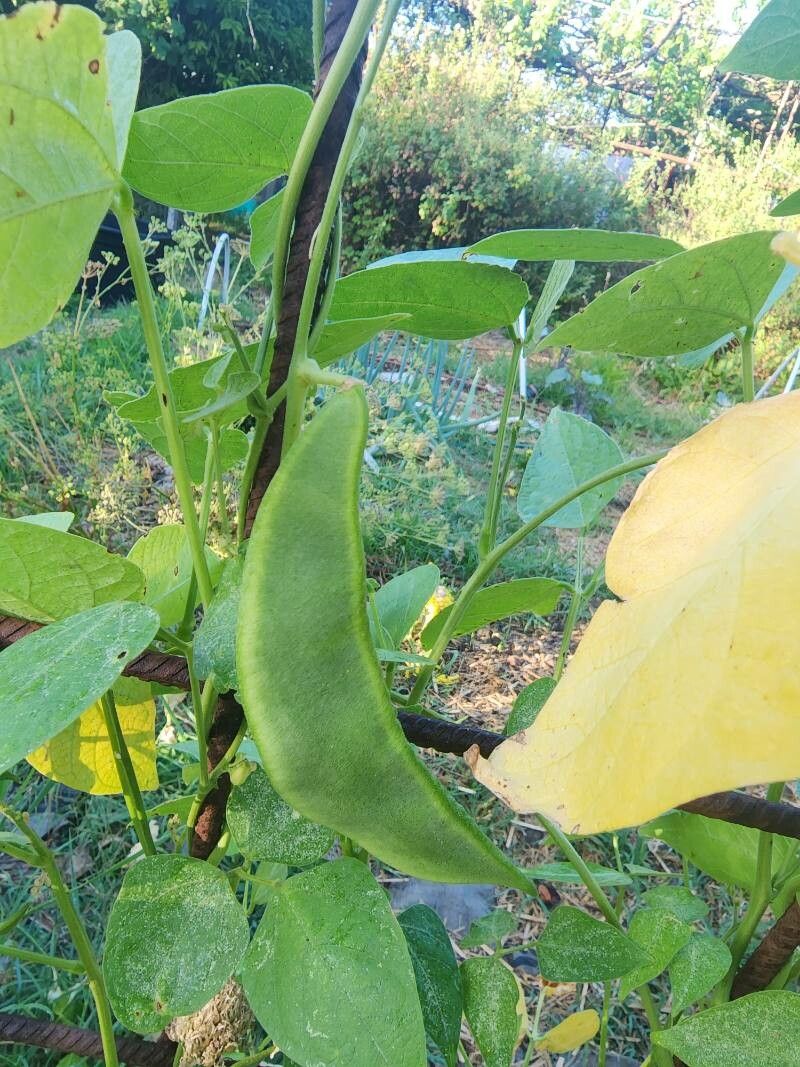
Unleash the Lima Bean Within: Mastering Phaseolus Lunatus Propagation
Lima beans, also known by their scientific name Phaseolus lunatus, are a delicious and nutritious addition to any garden. Whether you call them butter beans, Burma beans, or simply limas, these legumes are surprisingly easy to propagate, rewarding your efforts with an abundant harvest. Ready to unleash your inner bean whisperer? Let’s explore the world of Phaseolus lunatus propagation.
Two Paths to Bean Glory: Seeds vs. Cuttings
When it comes to propagating lima beans, you have two primary options:
Starting from Seed: The Classic Approach
- Timing is Everything: Lima beans thrive in warm soil. Sow seeds directly outdoors after the last frost has passed and the ground has warmed to at least 70°F (21°C).
- Location, Location, Location: Choose a sunny spot with well-drained soil. Lima beans enjoy full sun but appreciate some afternoon shade in hotter climates.
- Sowing with Care: Plant seeds 1-2 inches deep and space them about 4-6 inches apart in rows 18-30 inches apart.
- Water Wisely: Keep the soil consistently moist but not waterlogged.
- Germination Anticipation: Expect seedlings to emerge in 5-10 days.
- Propagating from Cuttings: A Quicker Harvest
- The Right Candidate: This method works best with healthy, established lima bean plants.
- Selecting Your Cuttings: Using a clean, sharp knife or pruning shears, take 4-6 inch cuttings from the tips of healthy stems. Ensure each cutting has at least two sets of leaves.
- Preparing the Cuttings: Remove the lower leaves from each cutting, leaving only the topmost set.
- Rooting Hormone (Optional): While not essential, dipping the cut end in rooting hormone can encourage faster root development.
- Planting the Cuttings: Insert the cut end of each cutting into a moist, well-draining potting mix.
- Creating a Humid Environment: Cover the cuttings with a plastic bag or humidity dome to maintain moisture.
- Patience is Key: It will take a few weeks for roots to develop. Once new growth appears, you can transplant your rooted cuttings to larger pots or outdoors.
Troubleshooting for Success
While lima beans are relatively low-maintenance, a few common issues can arise during propagation:
- Poor Germination: Ensure your seeds are fresh and stored properly. Cold, damp soil can also hinder germination.
- Damping Off: This fungal disease affects seedlings, causing them to wilt and collapse. Prevent it by using sterile seed starting mix and avoiding overwatering.
- Pests: Keep an eye out for pests like aphids, spider mites, and bean beetles. Neem oil and insecticidal soap are effective organic control methods.
Reaping the Rewards
With a little patience and care, you’ll soon be harvesting a bounty of fresh lima beans. Whether enjoyed fresh, frozen, or dried, these versatile legumes are a testament to the satisfaction of growing your own food. So go forth and propagate! Your future self—and your taste buds—will thank you.