
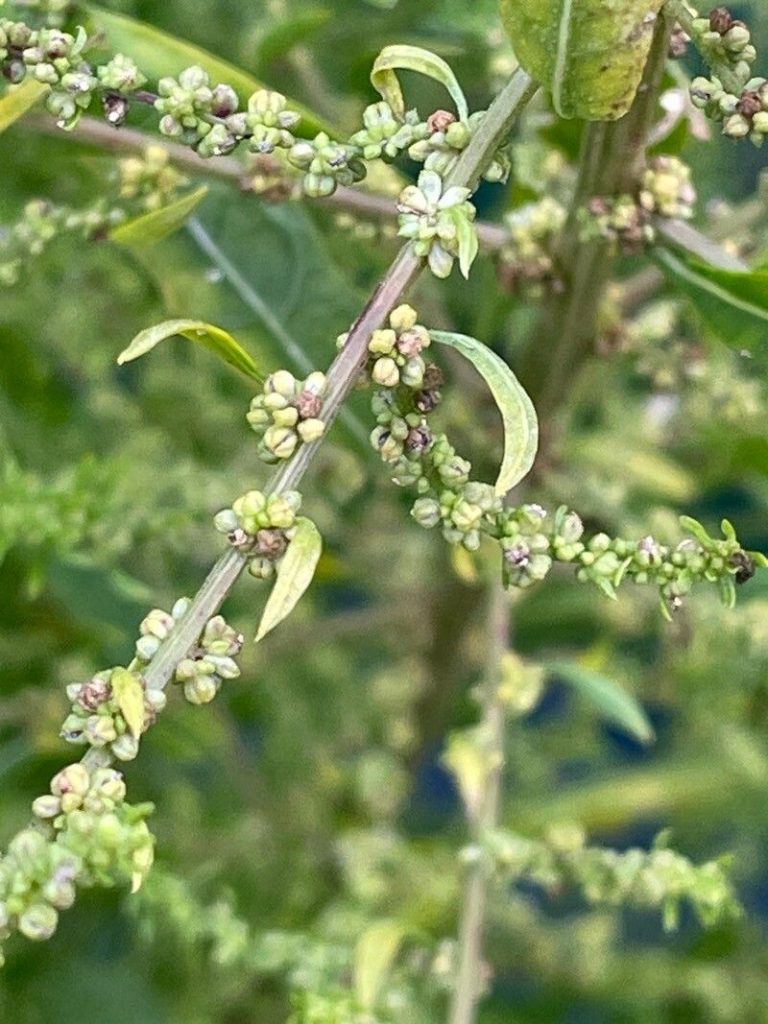
Propagating Wormseed: A Guide to Cultivating Dysphania ambrosioides
Introduction:
Dysphania ambrosioides, commonly known as wormseed, Mexican tea, or Jesuit’s tea, is a fascinating annual herb with a long history of medicinal and culinary use. Its pungent aroma and slightly bitter taste make it a unique addition to any herb garden, while its historical significance adds a layer of intrigue. While not widely cultivated commercially, its relatively easy propagation (through certain methods) makes it a rewarding plant for home gardeners. Its resilience and adaptability also make it an interesting subject for plant propagation enthusiasts.
Seed Germination:
Seed germination for Dysphania ambrosioides presents some challenges. While seeds are produced, germination rates can be inconsistent and quite low. This is partly due to the relatively short seed viability period.
Challenges: Low germination rates, short seed viability.
Practical Tips: Fresh seeds from healthy plants offer the best chance of success. Soak seeds in warm water for 24 hours before sowing to improve hydration. Sowing directly into well-draining soil in a warm, sunny location is recommended. Maintain consistent moisture but avoid overwatering which can lead to fungal diseases. A germination temperature around 20-25°C (68-77°F) is optimal. Consider using a humidity dome to maintain high humidity levels.
Rewards: Successful seed germination provides a high level of genetic diversity within your propagated plants. This is crucial for adaptability and resilience in a changing environment and allows for large-scale propagation if you harvest enough seeds.
Cuttings:
Cuttings are a considerably more reliable method for propagating Dysphania ambrosioides.
Challenges: While reasonably straightforward, success depends on the timing and technique employed. Taking cuttings from healthy, actively growing stems is crucial.
Practical Tips: Take stem cuttings of approximately 10-15 cm in length, ideally from the tips of the plant. Remove lower leaves to prevent rotting and dip the cut ends in rooting hormone powder. Plant cuttings in a well-draining seed-starting mix and maintain consistent moisture. High humidity levels, provided by a plastic propagator or humidity dome, are beneficial. Providing bottom heat can accelerate root development.
Rewards: Cuttings propagation offers a fast and efficient way to produce genetically identical plants, preserving desirable traits. This method is suitable for propagating a large number of plants from a single mother plant.
Division:
Division is not a suitable method for propagating Dysphania ambrosioides as it’s typically an annual plant with a shallow root system. There is no established rhizomatous or other easily divisible structure.
Tissue Culture:
Currently, there are no widely published or readily available protocols for tissue culture propagation of Dysphania ambrosioides. Further research would be needed to establish effective techniques.
Conclusion:
While Dysphania ambrosioides propagation presents some challenges, especially with seed germination, cuttings offer a relatively reliable and efficient method. Mastering the art of taking and rooting cuttings is particularly rewarding given the unique qualities and uses of this plant. The perseverance required to overcome these propagation obstacles enhances the sense of accomplishment in cultivating this historically significant herb. Don’t be discouraged by initial setbacks – experiment with different techniques and embrace the learning process. The unique scent and potential benefits of successfully cultivated wormseed make the effort well worthwhile. For gardeners keen on exploring less conventional herb propagation, Dysphania ambrosioides offers a fascinating and fulfilling challenge.