
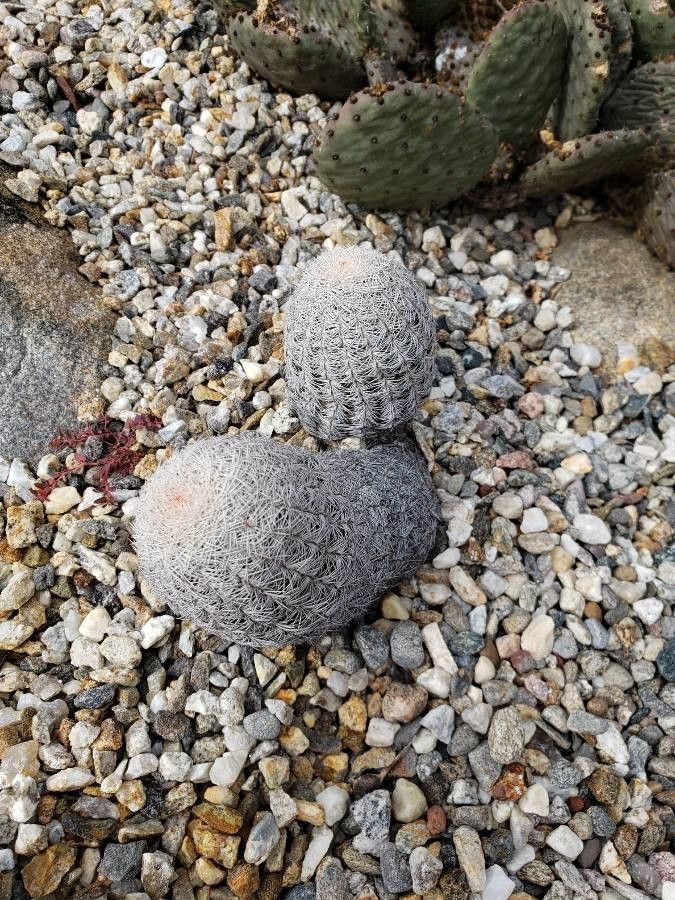
Propagating Echinocereus reichenbachii: A Gardener’s Guide
Introduction:
Echinocereus reichenbachii, commonly known as the Rainbow Cactus or Reichenbach’s Hedgehog Cactus, is a captivating succulent prized for its vibrant, often multi-hued spines and showy, funnel-shaped flowers. Native to the southwestern United States and Mexico, its relative ease of care and attractive appearance have made it a popular choice for cactus enthusiasts. However, propagation can present some unique challenges. This article explores various methods for propagating Echinocereus reichenbachii, weighing their advantages and disadvantages. One unique aspect relevant to its propagation is its relatively slow growth rate, impacting the speed of results regardless of the method chosen.
Seed Germination:
Seed germination is a viable method for propagating Echinocereus reichenbachii, offering the reward of significant genetic diversity within a population. However, it’s not always straightforward.
Challenges: Seeds can be slow to germinate, requiring specific conditions. Fungal diseases can be a significant issue, especially in humid environments.
Tips: Fresh seeds are crucial. Sow seeds in a well-draining cactus and succulent potting mix, ideally with added perlite or pumice to improve drainage. Avoid overwatering. Maintain a consistently warm temperature (around 70-75°F or 21-24°C) and provide bright but indirect light. Gentle bottom watering is preferable to overhead watering, minimizing the risk of damping-off. Some sources suggest pre-soaking seeds for a short period (12-24 hours) before sowing might improve germination rates but this needs experimentation for optimum results. Stratification (exposing seeds to periods of cold, moist conditions) is generally not necessary for this species.
Rewards: Genetic diversity leading to a wider range of spine colors and flower variations within your collection. The potential for large-scale propagation, if seeds are plentiful and germination is successful.
Cuttings:
Propagation through cuttings is possible with Echinocereus reichenbachii, but it has limitations.
Challenges: Successfully rooting cuttings from this cactus can be challenging. The cutting needs to callous over before planting to prevent rot. The slow growth rate necessitates patience.
Tips: Take cuttings from healthy, mature stems during the growing season (spring or early summer). Allow the cut end to callous over for several days to a week before planting it in a well-draining potting mix. Maintain a warm and dry environment during the rooting process. Avoid excessive watering, as this can lead to rot.
Rewards: Faster propagation than seed germination, provided the cuttings root effectively. Preserves the exact characteristics of the mother plant.
Division:
Division is a relatively simple method suitable for Echinocereus reichenbachii when the plant produces offsets (pups).
Challenges: Damage to the mother plant or the offsets can occur if done improperly. Offsets should be of sufficient size before separation to ensure viability.
Tips: Carefully separate offsets from the mother plant using a sharp, sterilized knife or blade. Allow the cut ends of both the mother plant and the offsets to callous over for a few days before planting them in a well-draining potting mix.
Rewards: A relatively straightforward method for rapidly increasing the number of plants. Minimal risk of genetic variation, preserving the desirable traits.
Tissue Culture:
Tissue culture is a viable though technically complex method.
Challenges: Requires specialized equipment, sterile conditions, and a high level of skill and knowledge of plant tissue culture techniques. It is significantly more costly and time intensive than other methods.
Tips: Successfully propagating Echinocereus reichenbachii through tissue culture usually requires specialized knowledge and practice. Established tissue culture labs are advisable for best results.
Rewards: Potentially very rapid propagation, producing a large number of genetically identical plants.
Conclusion:
Propagating Echinocereus reichenbachii presents unique challenges across all methods. While seed germination offers the greatest genetic diversity, its success rate can be variable. Cuttings offers speed for the gardener but needs patience while divisions are relatively straightforward. Tissue culture offers the highest potential for large-scale propagation but comes with significant technical demands. The reward, however, for successfully cultivating this captivating cactus from a cutting, seed or offset is immeasurable. Patience and attention to detail are key to success, and the satisfaction of watching a tiny seedling or offset grow into a mature flowering plant is well worth the effort. For aspiring propagators, start with a method that aligns with your experience and resources – and don’t be discouraged by initial setbacks!