
Unlocking the Secrets of the Red-Flowered Hedgehog: Propagating Echinocereus russanthus
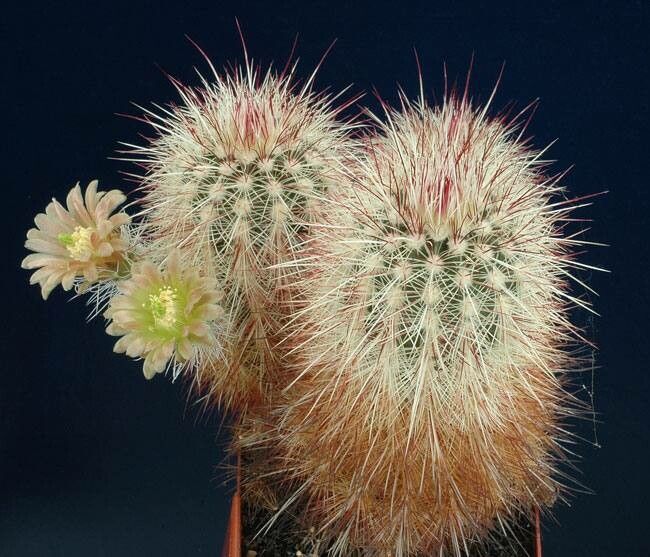
The Echinocereus russanthus, more affectionately known as the red-flowered hedgehog cactus, is a captivating sight. Its fiery red blooms bring a burst of desert vibrancy to any collection. But did you know that replicating this beauty is surprisingly achievable, even for beginner gardeners?
This guide unveils the secrets of propagating Echinocereus russanthus, enabling you to multiply your cacti collection and share the joy of this stunning species.
Two Paths to Propagation: Seeds vs. Offsets
Echinocereus russanthus can be propagated through two main methods:
-
Seeds: This method offers a rewarding experience, allowing you to witness the entire life cycle of your cactus. However, be prepared to practice patience as seed-grown cacti take longer to mature and flower.
- Offsets (Pups): This method is quicker and simpler. Echinocereus russanthus often produces offsets, or “pups,” at their base. These miniature versions of the parent plant can be easily detached and rooted to create new cacti.
Method 1: Sowing Seeds of Success
Materials:
- Fresh Echinocereus russanthus seeds (purchased from a reputable source or collected from ripe fruits)
- Seed-starting mix (well-draining and sterilized)
- Shallow seed tray or small pots
- Water mister
- Plastic wrap or a humidity dome (optional)
Steps:
- Prepare the Mix: Moisten the seed-starting mix and fill your chosen containers.
- Sow the Seeds: Sprinkle the seeds thinly over the surface, pressing them gently into the mix. Do not bury them deeply.
- Mist and Cover: Mist the seeds lightly and cover the container with plastic wrap or a humidity dome to create a warm, humid environment.
- Provide Light and Warmth: Place the container in a bright location, but out of direct sunlight. Maintain a temperature of around 70-80°F (21-27°C).
- Maintain Moisture: Keep the seed-starting mix consistently moist but not waterlogged. Mist regularly or water from the bottom.
- Germination: Be patient! Seeds may take several weeks to germinate.
- Thinning: Once seedlings emerge and have a few sets of true leaves, carefully thin them out, leaving the strongest ones to grow.
- Transplanting: When the seedlings are large enough to handle, carefully transplant them into individual pots filled with a well-draining cactus mix.
Method 2: Propagating with Offsets
Materials:
- Sharp, sterilized knife or pruning shears
- Well-draining cactus mix
- Small pots
Steps:
- Identify and Select: Look for healthy offsets growing at the base of the parent plant. Choose those that are at least an inch (2.5 cm) in diameter.
- Careful Removal: Using your sterilized knife or shears, carefully detach the offset from the parent plant. Ensure you collect the entire base of the offset.
- Callusing: Allow the offset to dry and form a callus over the cut area. This may take a few days to a week.
- Potting: Once callused, place the offset on top of well-draining cactus mix in a small pot. Gently press the base into the mix to anchor it.
- Watering: Water sparingly until roots develop. Once established, water similarly to the parent plant.
Nurturing Your New Cactus Clones
Whether you choose seeds or offsets, your newly propagated Echinocereus russanthus will thrive in bright, indirect light and well-draining soil. Allow the soil to dry completely between watering sessions to prevent root rot. With proper care, you’ll soon be rewarded with a stunning display of fiery red blossoms.
Propagating Echinocereus russanthus is a fulfilling way to expand your cactus collection and witness the magic of plant propagation firsthand. So grab your gardening gloves and unleash your inner botanist – the red-flowered hedgehog awaits!