
Propagating Echinopsis albispinosa: A Gardener’s Guide to the White-Spined Echinopsis
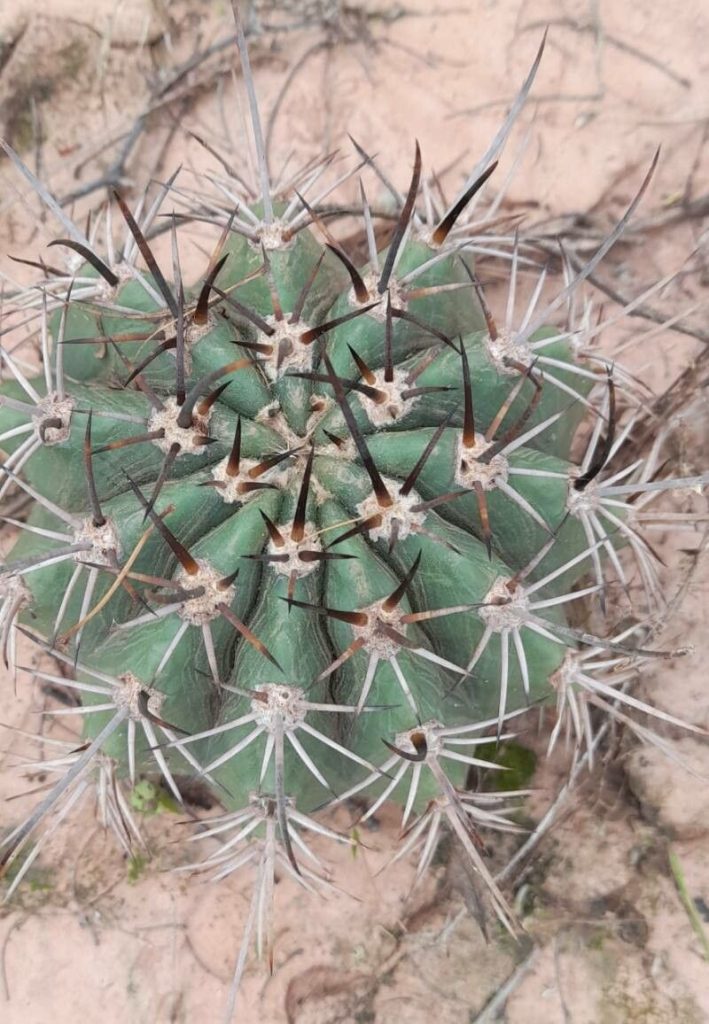
Echinopsis albispinosa, commonly known as the White-Spined Echinopsis or sometimes the Hedgehog Cactus, is a captivating member of the Cactaceae family. Characterized by its robust, globular shape, striking white spines, and beautiful, night-blooming, fragrant flowers, it’s a popular choice among cacti enthusiasts. Its relatively hardy nature and stunning blooms contribute to its horticultural significance, fueling a desire amongst gardeners to expand their collections. However, propagating this species presents unique challenges and rewards.
Seed Germination:
Seed germination for Echinopsis albispinosa is a viable, albeit challenging, method of propagation. The primary challenges lie in maintaining consistent warmth and humidity while preventing fungal diseases, which thrive in damp conditions favoured by germinating seedlings.
Challenges: Tiny seeds and the susceptibility to damping-off (fungal rot) are major hurdles. Seeds require a consistently warm environment (around 20-25°C) and high humidity, but overly wet conditions quickly lead to rot.
Practical Tips: Sow seeds thinly on a well-draining cactus seed-starting mix. Maintain high humidity using a humidity dome or plastic bag, but ensure good ventilation to prevent fungal growth. Bottom watering is recommended to avoid fungal diseases. Stratification (a period of cold treatment) isn’t typically necessary for Echinopsis albispinosa seeds. Light is crucial; provide bright, indirect light.
Rewards: Germination from seed offers the greatest genetic diversity, allowing for the possibility of unique variations within your cultivated plants. It’s also a rewarding experience, witnessing the tiny seedlings develop into mature cacti. This method also enables large-scale propagation, providing many plants at once.
Cuttings:
Propagation of Echinopsis albispinosa via cuttings is possible, but less reliable than seed germination.
Challenges: Successful rooting requires a very specific set of conditions. The cutting must be properly prepared (allowing the wound to callous over before planting), and the substrate must be well-draining but retain some moisture. Rot is a significant risk, especially if the cutting is overly wet.
Practical Tips: Use a sharp, clean knife or blade to take a cutting from a healthy, mature plant. Allow the cutting to callous over for a few days to a week before planting. Plant in a well-draining cactus potting mix and ensure minimal watering until signs of new growth appear.
Rewards: Cuttings offer a faster route to establishing new plants compared to seed propagation, and you are guaranteed to maintain the parent plant’s characteristics.
Division:
Division is generally not a practical method for propagating Echinopsis albispinosa. While some cacti can be divided at the root, Echinopsis albispinosa usually possesses a single, distinct root system making division damaging and rarely successful.
Tissue Culture:
Tissue culture is a viable but technically demanding method of propagating Echinopsis albispinosa, requiring specialized equipment and sterile conditions.
Challenges: This method requires a controlled laboratory setting with sterile techniques, specialized growth media, and aseptic conditions to prevent contamination. It’s expensive and requires specific knowledge and skills.
Practical Tips: This is not a method for home cultivation. Sterile procedures are critical. This method is primarily used in commercial nurseries and research labs.
Rewards: Tissue culture offers the possibility of mass propagation of genetically identical plants, often disease-free.
Conclusion:
Propagating Echinopsis albispinosa presents various challenges across all methods, from combating fungal diseases to providing the precise environmental conditions needed for successful rooting or germination. However, the rewards of cultivating this stunning cactus are significant. The vibrant blooms and the unique satisfaction of growing your own plants from seed or cutting outweigh the difficulties. Patience, attention to detail, and a willingness to experiment are key ingredients to success. Don’t be discouraged by initial setbacks; the journey itself is a valuable learning experience. With careful observation and the right technique, aspiring propagators can experience the rewarding journey of cultivating these captivating cacti.