
Taming the Hedgehog: Propagation Techniques for the Spiky Wonder, Echinospartum horridum
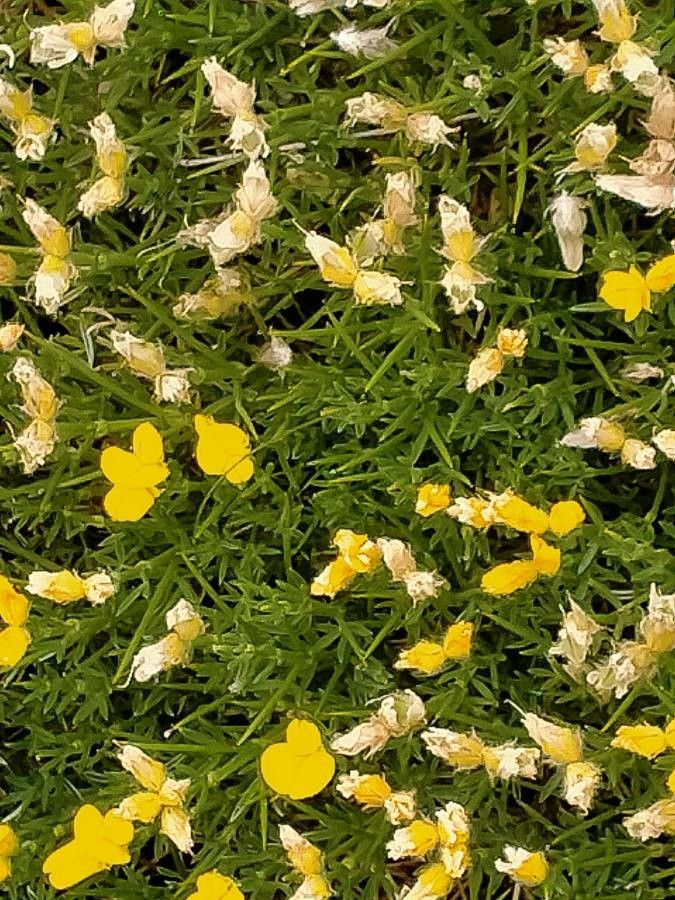
Echinospartum horridum, commonly known as the Spanish gorse or hedgehog broom, is a visual feast for the eyes. This hardy shrub, native to Spain and the Pyrenees mountains, boasts a captivating display of bright yellow, pea-like flowers densely packed along its spiny stems. While the prickly exterior might seem intimidating, propagating this sun-loving beauty isn’t as thorny a task as you might imagine.
If you’re looking to invite this golden wonder into your garden, here’s a comprehensive guide to successfully propagating Echinospartum horridum:
Method 1: Seed Propagation
The most common and arguably most rewarding way to propagate Echinospartum horridum is through seeds.
-
Seed Collection: Collect mature seed pods from the plant during late summer or early fall. Look for dry, brown pods that readily split open to reveal small, black seeds.
-
Seed Preparation (Scarification): To enhance germination rates, it’s beneficial to pre-treat the seeds. Nick or lightly scratch the seed coat with sandpaper or a nail file. This scarification process helps water penetrate the tough outer layer.
-
Sowing: Sow the seeds in a well-draining seed-starting mix during fall or early spring. Scatter them over the surface and lightly press them into the soil, but don’t bury them deeply.
-
Environment: Place the seed tray in a bright location, out of direct sunlight. Maintain a consistent temperature of around 65-70°F (18-21°C).
-
Watering: Keep the soil consistently moist but not waterlogged. A spray bottle can be helpful to avoid disturbing the seeds.
- Germination: Be patient! Germination can be erratic and take anywhere from a few weeks to several months.
Method 2: Semi-Hardwood Cuttings
Propagating Echinospartum horridum from semi-hardwood cuttings offers a quicker route compared to seeds, though it generally has a lower success rate.
-
Timing: The optimal time for taking cuttings is in late summer, when the new growth has started to harden.
-
Cutting Selection: Look for healthy, non-flowering stems that are around 4-6 inches long. Make a clean cut just below a leaf node.
-
Prepare the Cutting: Remove the lower leaves from the cutting, leaving only 2-3 pairs at the top. Dip the cut end in rooting hormone powder to encourage root development.
-
Planting: Plant the cuttings in a pot filled with a well-draining, gritty potting mix. Make sure the leaf nodes where you removed the lower leaves are buried in the soil.
-
Environment: Place the pot in a warm, bright location, but out of direct sunlight. You can increase humidity by covering the pot with a plastic bag or using a propagation dome.
- Rooting: It will take 6-8 weeks for the cuttings to develop roots. Once the roots are established, you can transplant them into individual pots.
Caring for Your New Plants:
Whether you choose to propagate through seeds or cuttings, Echinospartum horridum thrives in full sun and well-drained soil. Water regularly until established, but be mindful of overwatering. Once established, these plants are relatively drought-tolerant.
With a bit of patience and care, you can successfully propagate this spiky wonder and enjoy a vibrant splash of golden joy in your own garden.