
Unlocking the Secrets of the Grassy Bellflower: A Guide to Propagating Edraianthus serpyllifolius
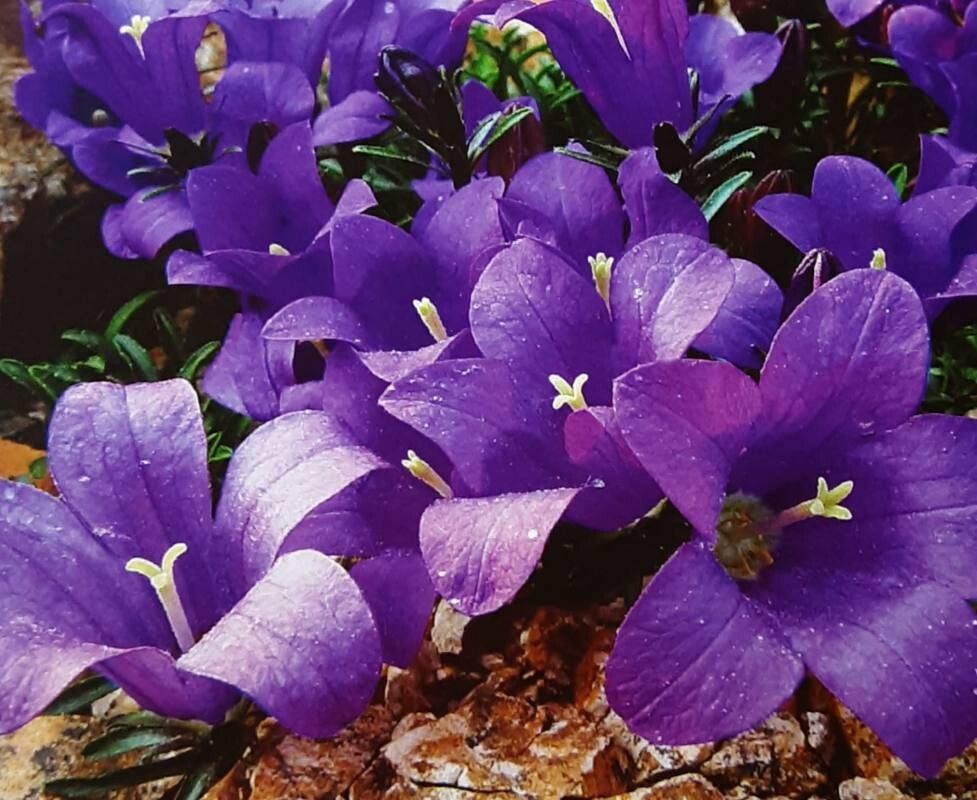
The Edraianthus serpyllifolius, affectionately known as the Grassy Bellflower, is a sight to behold. This charming, low-growing perennial boasts captivating violet-blue, bell-shaped flowers that emerge in late spring, gracing rock gardens and alpine troughs with their beauty. If, like many, you’ve fallen for this enchanting plant and wish to multiply your floral blessings, then mastering propagation is key.
Fortunately, the Grassy Bellflower offers not one, but three methods for propagation: seed sowing, taking cuttings, and division. Each technique has its nuances and best practices, so let’s delve into each one:
1. Starting From Seed: A Rewarding Challenge
Propagating Edraianthus serpyllifolius from seed is an exercise in patience and provides a sense of accomplishment as you witness the life cycle unfold. Here’s how to do it:
- Timing is Everything: Sow seeds in late winter or early spring, ideally in a greenhouse or cold frame to provide protection from the elements.
- Light is Key: Sprinkle the seeds over a well-draining seed compost, ensuring they are not buried but have good contact with the soil. Light is crucial for germination.
- Warmth and Moisture: Maintain a temperature of around 18-21°C (65-70°F) and keep the compost consistently moist but not waterlogged.
- Patience, Young Padawan: Germination can be erratic, taking anywhere from a few weeks to a couple of months.
- Pricking Out and Hardening Off: Once seedlings are large enough to handle, prick them out into individual pots and gradually acclimatize them to outdoor conditions before planting in their final positions.
2. Taking Cuttings: Replicating Success
For a faster and more predictable outcome, consider taking cuttings. This method allows you to create replicas of your existing plants, maintaining their specific traits.
- Timing is Crucial: The ideal time is late spring or early summer, after the plant has finished flowering.
- Choose Wisely: Select healthy, non-flowering shoots about 5-8 cm (2-3 inches) long.
- Prepare the Cuttings: Remove the lower leaves and dip the cut end in rooting hormone (optional, but increases success rate).
- Pot and Protect: Plant the cuttings in a pot filled with a well-draining cutting compost and cover with a plastic bag or propagator lid to maintain humidity.
- Patience and Monitoring: Keep the cuttings in a bright location, out of direct sunlight. Rooting typically takes a few weeks. Once new growth appears, you can gradually acclimate them to outdoor conditions before planting.
3. Division: Sharing is Caring
Division is the easiest and quickest method, ideal for mature, established plants. It allows you to create multiple new plants while simultaneously rejuvenating the parent plant.
- Timing is Key: Divide plants in spring or early fall when the weather is cool and moist.
- Dig Deep: Carefully lift the entire plant from the ground, ensuring you get as much of the root system as possible.
- Divide and Conquer: Using a sharp, clean knife or garden spade, divide the plant into smaller sections, ensuring each section has a good amount of roots and shoots.
- Replant and Water: Replant the divided sections at the same depth they were previously growing and water them in thoroughly.
A Final Word of Encouragement
Propagating Edraianthus serpyllifolius is a rewarding endeavor that allows you to expand your collection of these exquisite plants. Whether you choose to embark on the journey from seed, replicate success through cuttings, or embrace the simplicity of division, remember that patience and care are your greatest allies. With a little effort, you can create a breathtaking display of these beautiful bellflowers that will bring joy for years to come.