
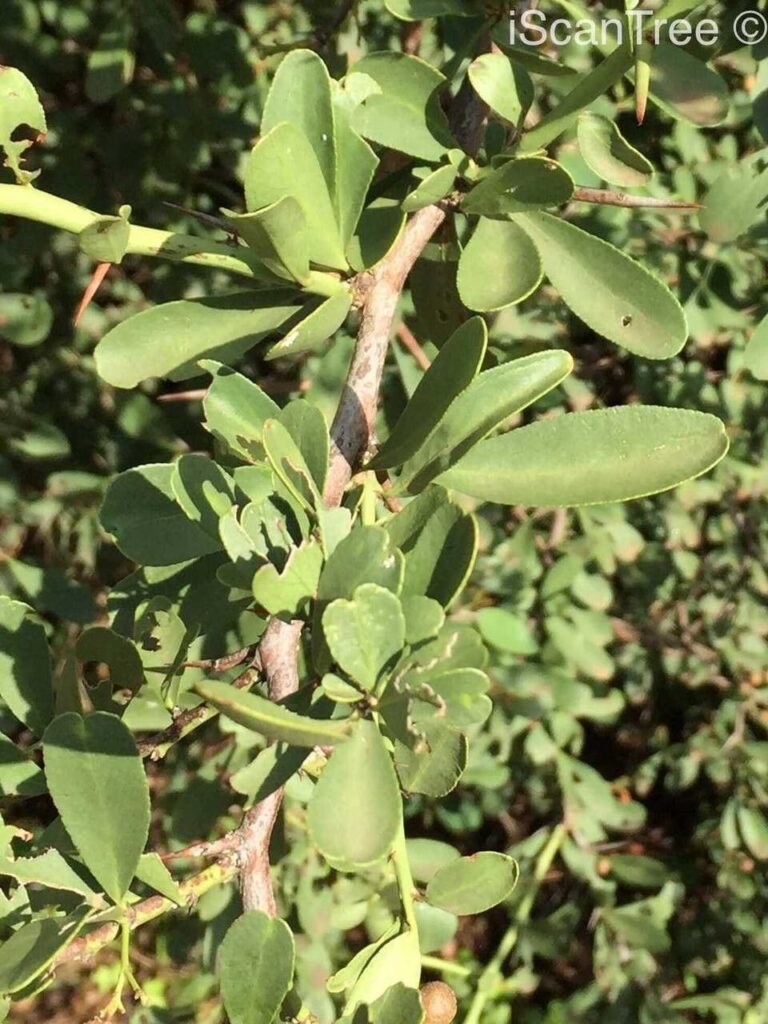
From One to Many: A Guide to Propagating Your Ehretia rigida
The Ehretia rigida, also known as the “Hard-leaved Ehretia,” is a beautiful and resilient plant that graces gardens with its luscious foliage and showy white flowers. But what if you want to share this beauty with others or simply expand your own collection? That’s where propagation comes in!
This guide will walk you through the various ways to propagate your Ehretia rigida, empowering you to create new plants from your existing ones.
The Power of Cuttings
One of the most popular and effective methods for propagating Ehretia rigida is through stem cuttings. This technique leverages the plant’s inherent ability to develop roots from its stems. Here’s what you need to do:
- Choose your cuttings: Select healthy, non-flowering stems about 4-6 inches long.
- Prepare the cuttings: Make a clean cut at an angle just below a leaf node (the point where a leaf grows). Remove the leaves from the bottom 2-3 inches of the cutting.
- Root your cuttings: Dip the cut end in a rooting hormone powder (optional, but can improve root development) and insert it directly into a well-draining potting mix. You can also use a mixture of water and a rooting hormone.
- Maintain a humid environment: Cover the cuttings with a plastic dome or bag to create a humid environment to encourage rooting.
- Patience is key: Keep the cuttings in a bright, indirect light location, and allow the roots to develop over several weeks. Once roots appear, slowly acclimate the cuttings to outdoor conditions.
Harnessing the Power of Seed
Ehretia rigida also produces seeds, a less common method of propagation, but still a viable option.
- Harvest the seeds: Once the seed pods turn brown and dry, collect the seeds.
- Prepare the seeds: Remove the seed coat and soak in warm water for 24 hours before planting.
- Seed sowing: Sow the seeds in a seed tray or pot filled with a well-draining seed-starting mix. Lightly cover the seeds with soil.
- Protect and provide: Water the seeds gently, keep them warm, and provide them with indirect light.
- Transplantation: Once the seedlings have developed a few true leaves, they can be transplanted to individual pots and eventually to their permanent location outdoors.
Air Layering: A Unique Technique
For the more advanced propagators, air layering is a fascinating option. This technique involves inducing root growth on a stem while it’s still attached to the parent plant:
- Select a stem: Choose a healthy stem on the Ehretia rigida, preferably one that is a year old or older.
- Make an incision: Gently scrape off a small section of bark on the stem to expose the cambium layer.
- Wrap the incision: Wrap the exposed part of the stem with damp sphagnum moss and cover it with plastic wrap to retain moisture.
- Encourage rooting: Keep the moss moist and allow the roots to develop over several weeks.
- Sever and plant: Once the roots are well-developed, cut the stem below the air layer and plant it in a pot or your chosen outdoor location.
Tips for Success
- Cleanliness is key: Sterilize tools and avoid introducing diseases.
- Understanding your climate: Provide optimal growing conditions for your region’s weather.
- Patience and persistence: Every plant is different, so allow ample time for propagation to take effect.
With these methods and some patience, you can successfully propagate your beautiful Ehretia rigida, sharing its charm with others or expanding your own botanical collection. Remember to research specific propagation techniques based on your local climate and plant variety to obtain the best results.