
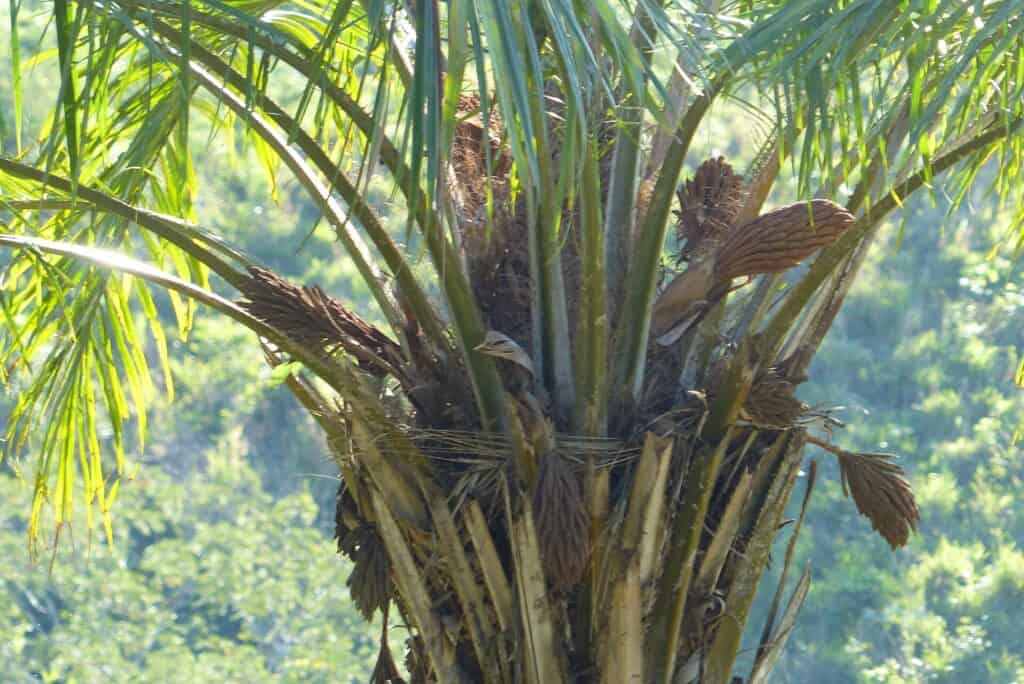
Cracking the Code: How to Propagate the Mighty Oil Palm (Elaeis guineensis)
The oil palm (Elaeis guineensis) is a true powerhouse in the plant world. Native to West Africa, this tropical giant is the most efficient oil-bearing crop on the planet, producing more oil per hectare than any other plant. From cooking oil to biofuels, its uses are vast and impactful.
While most of us encounter oil palm products daily, fewer know about the fascinating process of propagation, the art and science of creating new plants. So, whether you are a seasoned gardener or a curious mind, let’s explore the two main methods of propagating Elaeis guineensis:
1. Seed Propagation: A Test of Patience and Proper Technique
The most common and economical method, seed propagation, is how the vast majority of oil palm plantations are established. But be warned, this approach requires patience – lots of it.
- Sourcing Seeds: Obtaining viable seeds is the crucial first step. You can try sourcing seeds from reputable online retailers specializing in tropical plants, or if you’re lucky enough to live in a region where oil palms thrive, you might find some locally.
- Breaking Dormancy: Oil palm seeds are notoriously known for having a long and uneven germination period. The secret lies in breaking their dormancy. Soaking the seeds in warm water (around 30-35°C) for 24-48 hours can help kickstart the process.
- Sowing the Seed: Plant the seeds about 2-3 cm deep in a well-draining, fertile potting mix. Keep the soil consistently moist but not waterlogged.
- Warmth and Humidity: Remember, oil palms are tropical dwellers. They thrive in warm and humid environments. Providing bottom heat using a heating mat and maintaining high humidity levels using a propagator or humidity dome can significantly increase germination rates.
- The Waiting Game: Germination can take anywhere from a few months to even a year. Yes, you read that right! Patience is key.
2. Tissue Culture: A Fast Track to Clonal Propagation
For those seeking a faster and more controlled approach, tissue culture is the answer. This method, primarily used in commercial settings, involves:
- Laboratory Magic: Tiny pieces of plant tissue (explants) are carefully extracted from a parent palm and placed in a sterile, nutrient-rich medium.
- Hormone Boost: Under controlled laboratory conditions, hormones are introduced to stimulate the development of roots and shoots, eventually forming complete plantlets.
- Acclimatization: Before these delicate plantlets can face the outside world, they undergo a gradual acclimatization process to adapt to less controlled conditions.
Why Propagate Oil Palms?
While propagating oil palms on a large scale requires specialized knowledge and resources, understanding the process can be incredibly rewarding for plant enthusiasts.
- Conservation efforts: Contributing to the conservation of this important species.
- Educational purposes: Learning about the fascinating lifecycle of the oil palm.
- Unique addition to your garden (in suitable climates): Imagine the pride of nurturing a majestic oil palm from seed or tissue culture!
Final Thoughts
Whether you choose the slow and steady route of seed propagation or the precision of tissue culture, propagating Elaeis guineensis offers a unique glimpse into the intricate world of plant reproduction. While commercially cultivated for its oil, understanding how to propagate this remarkable palm can instill a deeper appreciation for its significance in our world.