
Propagating the Saffronwood: A Guide to Elaeodendron curtipendulum
Introduction:
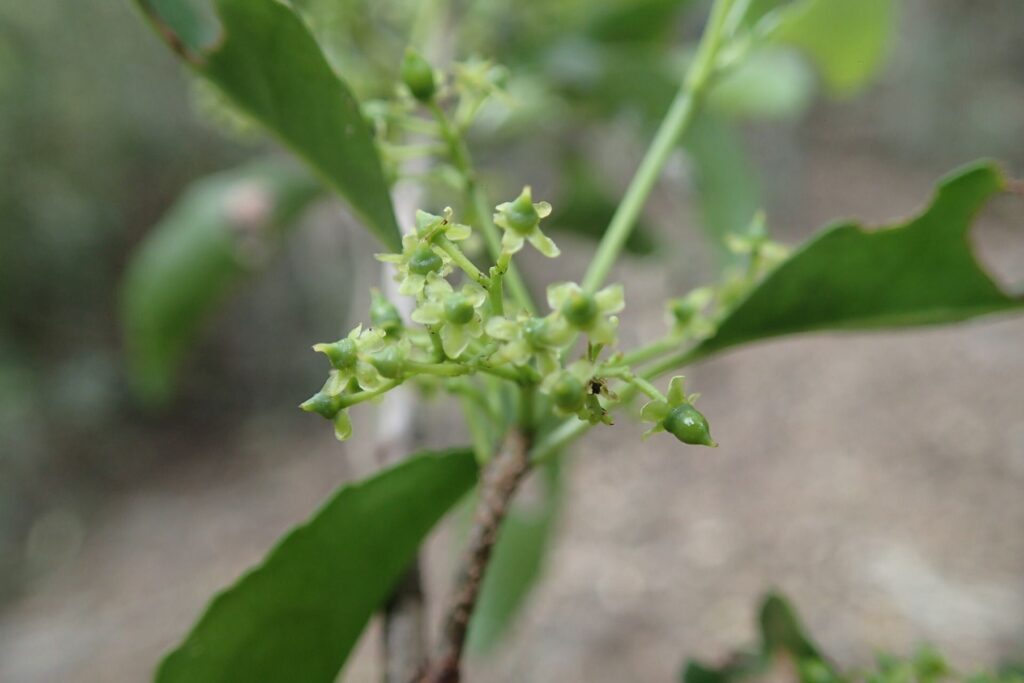
Elaeodendron curtipendulum, commonly known as Saffronwood, is a striking evergreen tree valued for its attractive, densely-foliaged form and the striking reddish-brown colour of its young stems. Native to Australia, it’s gaining popularity amongst gardeners for its drought tolerance, relatively low maintenance requirements, and suitability for a range of climates and soil types. However, propagating Saffronwood can present unique challenges, making successful cultivation all the more rewarding. Its relative rarity in cultivation contributes to the interest in its propagation.
Seed Germination:
Seed germination for Elaeodendron curtipendulum is viable, though it presents some challenges. Saffronwood seeds have a period of dormancy, necessitating stratification to break this dormancy and improve germination rates.
Challenges: Seed viability can vary significantly, depending on the ripeness and storage conditions of the seeds. Slow germination rates are also common.
Practical Tips: Collect ripe seeds from the plant. Pre-soaking in water for 24-48 hours may help. Stratification is highly recommended; place seeds in a moist medium (e.g., vermiculite or perlite) and refrigerate at approximately 4°C (39°F) for 6-8 weeks. Sow seeds in well-draining seed-starting mix, keeping the medium consistently moist but not waterlogged. Warm temperatures (20-25°C or 68-77°F) are beneficial after stratification.
Rewards: Successful seed germination introduces valuable genetic diversity to propagated plants. This method also holds the potential for large-scale propagation, particularly useful for conservation or landscape projects.
Cuttings:
Cuttings propagation for Elaeodendron curtipendulum is viable, but success rates are moderate and depend on meticulous technique.
Challenges: Saffronwood cuttings can be slow to root, and the success rate often depends on the timing (ideally during the growing season) and the rooting hormone used.
Practical Tips: Take semi-hardwood cuttings (about 10-15 cm long) from new growth in late spring or early summer. Remove lower leaves and dip the cut end in a rooting hormone. Plant cuttings in a well-draining propagation mix, keeping the medium consistently moist under a humidity dome or plastic covering. Mist regularly to maintain humidity. Bottom heat can increase rooting success.
Rewards: Cuttings produce genetically identical plants, preserving desirable traits of the parent plant. This is advantageous for propagating superior cultivars.
Division:
Division as a propagation method for Elaeodendron curtipendulum is not readily feasible. This plant generally develops a pronounced taproot and is not easily divided without severely damaging the plant.
Tissue Culture:
Tissue culture propagation for Elaeodendron curtipendulum is potentially viable but requires specialized equipment and expertise. It’s not a readily accessible method for the home gardener.
Challenges: Establishing suitable protocols for successful in vitro propagation requires significant research and experimentation in a laboratory setting. This method needs specific media and sterile conditions.
Practical Tips: This technique is best left to tissue culture laboratories with the necessary experience and facilities.
Rewards: Tissue culture offers the potential for rapid multiplication of superior plant material and disease-free clones. This is a highly efficient method for large-scale propagation.
Conclusion:
Propagating Elaeodendron curtipendulum presents a unique set of challenges across all methods. While seed germination offers genetic diversity, it requires patience and the correct stratification technique. Cuttings are a viable, albeit slower option that preserves desirable traits. Division is largely impractical, and tissue culture requires specialized knowledge and equipment. The rewards—the beautiful, enduring presence of this unique and drought-tolerant tree in your garden—make the effort worthwhile. The satisfaction of nurturing a Saffronwood from a seed or cutting, overcoming the challenges involved, is a testament to the grower’s perseverance and a source of immense horticultural pride. Don’t be discouraged by the initial hurdles; with careful attention to detail and a bit of patience, you can successfully propagate this remarkable plant.