
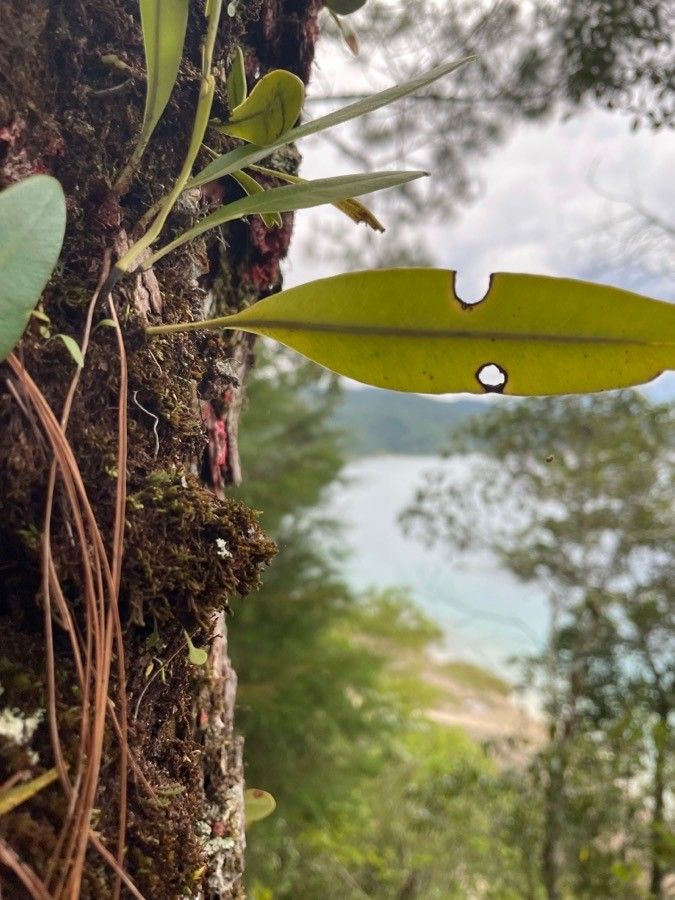
Unlocking the Secrets to Growing More Elaphoglossum amygdalifolium: A Guide to Propagation
Are you captivated by the elegance of Elaphoglossum amygdalifolium, also known as the “Almond-Leaved Elaphoglossum”? This epiphytic fern with its lovely, delicate fronds adds a touch of exotic beauty to any indoor space. But what if you could share this beauty with friends and family?
Good news, fellow plant lovers! Elaphoglossum amygdalifolium can be propagated, allowing you to create more of these stunning ferns. This article will delve into the fascinating world of Elaphoglossum amygdalifolium propagation, unraveling the techniques that will help you grow your own flourishing jungle.
Understanding the Basics
Propagation is the process of creating new plants from existing ones. For Elaphoglossum amygdalifolium, two main methods are employed:
-
Spore Propagation: This method draws on the fern’s natural reproductive cycle. Spores are tiny, dust-like particles found on the underside of mature fronds. These spores, when sown in the right conditions, germinate and develop into new plants.
- Division: This method involves carefully separating a mature fern into multiple sections, each with its own roots and foliage. These sections are then planted individually, creating new plants from the original.
Spore Propagation: Unveiling the Secrets of Nature
Spore propagation, while more time-consuming, is truly fascinating. It allows you to witness the complete life cycle of the fern, from the microscopic spore to a vibrant, mature plant. Here’s how to embark on this rewarding journey:
-
Harvest the Spores: Identify mature fronds with brown, powdery “sori” (spore clusters) on their undersides. Carefully scrape the sori into a paper bag or container.
-
Prepare the Sowing Media: A mixture of equal parts peat moss, vermiculite, and perlite provides an optimal environment for germination. Sterilize the mixture by baking it in the oven or microwave.
-
Sow the Spores: Sprinkle the harvested spores evenly on the surface of the sterilized media. Avoid overcrowding.
-
Create a Humid Environment: Mist the media regularly to keep it damp. Cover the container with plastic wrap or a clear lid to maintain high humidity.
- Patience is Key: It can take several weeks, even months, for spores to germinate. Maintain consistent temperature (75-80°F) and humidity. Once germination occurs, remove the plastic wrap gradually.
Division: A Quicker Path to New Plants
If time is of the essence, division offers a faster route to creating new Elaphoglossum amygdalifolium. Follow these steps:
-
Choose a Healthy Plant: Select a mature, thriving fern with multiple growth points.
-
Prepare the Plant: Carefully remove the fern from its pot and gently tease apart the roots. You may need to use a sharp and sterilized knife to separate the plant into sections, ensuring each division has its own roots and foliage.
- Plant the Divisions: Repot each section into a separate pot filled with a well-draining potting mix. Water thoroughly and maintain consistent humidity.
Maintaining and Caring for Your New Plants
Whether you’ve propagated your Elaphoglossum amygdalifolium from spores or by division, providing proper care is crucial for their success.
- Light: These ferns thrive in indirect light, avoiding direct sunlight which can scorch their delicate fronds.
- Humidity: Maintain high humidity by misting regularly or placing the plant on a pebble tray filled with water.
- Watering: Water when the top inch of soil is dry, allowing the excess water to drain.
- Fertilising: Feed your ferns with a weak solution of balanced liquid fertilizer once a month during the growing season.
Conclusion
Propagation is a wonderful way to expand your plant collection and share the beauty of Elaphoglossum amygdalifolium with others. Choose the method that suits your preferences and available time, whether you’re seeking a slow and patient journey through spore propagation or a quicker path through division. By providing consistent care and attention, you can cultivate a flourishing collection of these enchanting ferns, bringing a touch of the tropics into your home.