
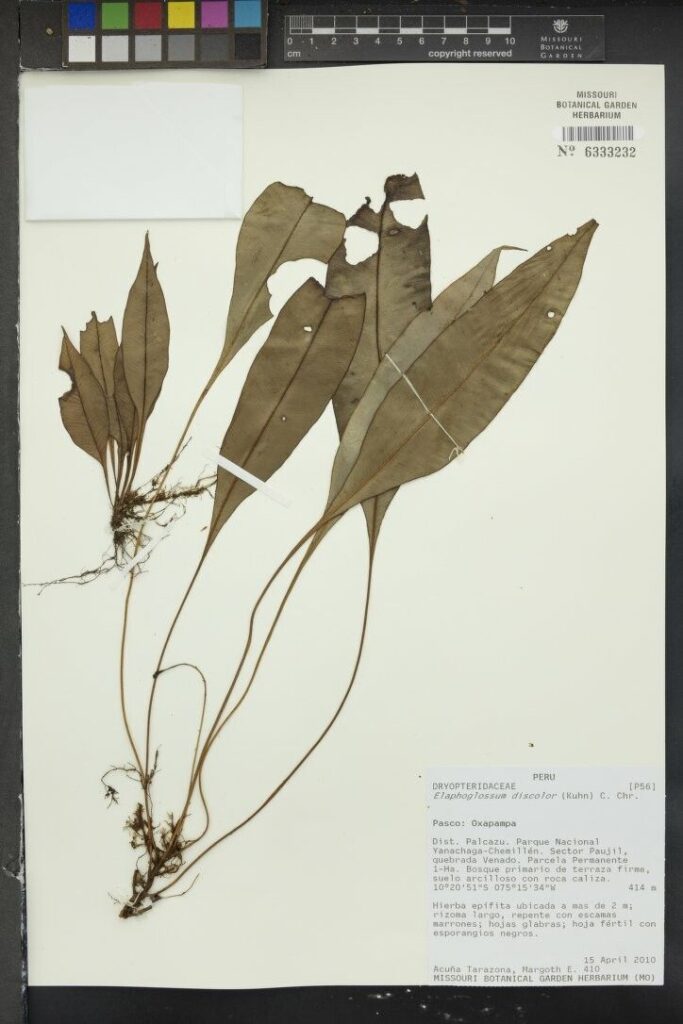
Unfurling Elegance: Propagating the Exquisite Elaphoglossum Discolor
The Elaphoglossum discolor, also known as the “Discolored Elk Fern,” is a captivating plant with its unique, leathery, and deeply veined fronds. This fern, native to tropical regions, boasts a captivating beauty that can make any plant enthusiast swoon. But what if you want to add a touch of this exquisite foliage to your own collection? Worry not, because learning to propagate Elaphoglossum discolor is a rewarding process that can unleash a flourishing of this gorgeous fern.
The Spore-tacular Way:
Most ferns, including the Elaphoglossum discolor, reproduce through spores. This method might sound intimidating, but it’s surprisingly simple and deeply fascinating. Here’s how you can propagate this plant from spores:
- Harvesting the Spores: Look for mature fronds with brown, almost dusty, spots on their underside. These are the spore-producing structures called sporangia. Carefully scrape these spots with a sharp tool onto a clean piece of paper.
- Sowing the Spores: Find a shallow container and fill it with a sterilized, well-draining mixture like peat moss and perlite. Spread the spores evenly across the surface and lightly cover them with a thin layer of the mixture.
- Creating the Right Environment: Keep the container moist and warm (ideal temperatures around 70-75°F or 21-24°C). Cover the container with a clear lid or plastic wrap to create a humid environment.
- Patience is Key: Spores need time to germinate, which can take several weeks to months. Be patient, and keep the soil consistently moist. Once seedlings appear, gradually increase their exposure to light.
Division: A Speedy Alternative:
While spore propagation is a unique and rewarding experience, division offers a faster route to multiplying your Elaphoglossum discolor.
- Choose the Right Time: Spring is the best time for dividing your Elaphoglossum discolor. Look for a plant that’s already well-established and has several fronds.
- Carefully Separate: Carefully remove the plant from its pot and gently tease apart the roots using your hands, taking care not to damage them. Aim for dividing the plant into two or more sections, ensuring each section has a good root system.
- Repot and Care: Pot each divided section into individual pots with fresh, well-draining potting mix. Water thoroughly and maintain a humid environment for the first few weeks to help the plant settle in.
Factors for Success:
Whether you choose spores or division, success with Elaphoglossum discolor propagation hinges on certain factors:
- Humid Environment: These ferns thrive in humid conditions. Keep the soil consistently moist and consider using a humidifier or placing the plants in a tray filled with pebbles and water.
- Filtered Light: Elaphoglossum discolor prefers bright, indirect light. Avoid direct sunlight which can scorch their delicate fronds.
- Well-Draining Soil: A well-draining potting mix is crucial to prevent root rot. A mix of peat moss, perlite, and bark chips is ideal.
- Regular Watering: Ensure the soil is consistently moist, but avoid overwatering. Let the top layer of soil dry out slightly between watering sessions.
A Symphony of Green:
Propagating your Elaphoglossum discolor is an enriching journey. By exploring the world of spores and incorporating the right growing conditions, you’ll witness the mesmerizing unfurling of new fronds, adding a touch of elegance to your home. So, grab your tools, unleash your patience, and get ready to share the splendor of the Elaphoglossum discolor with the world!