
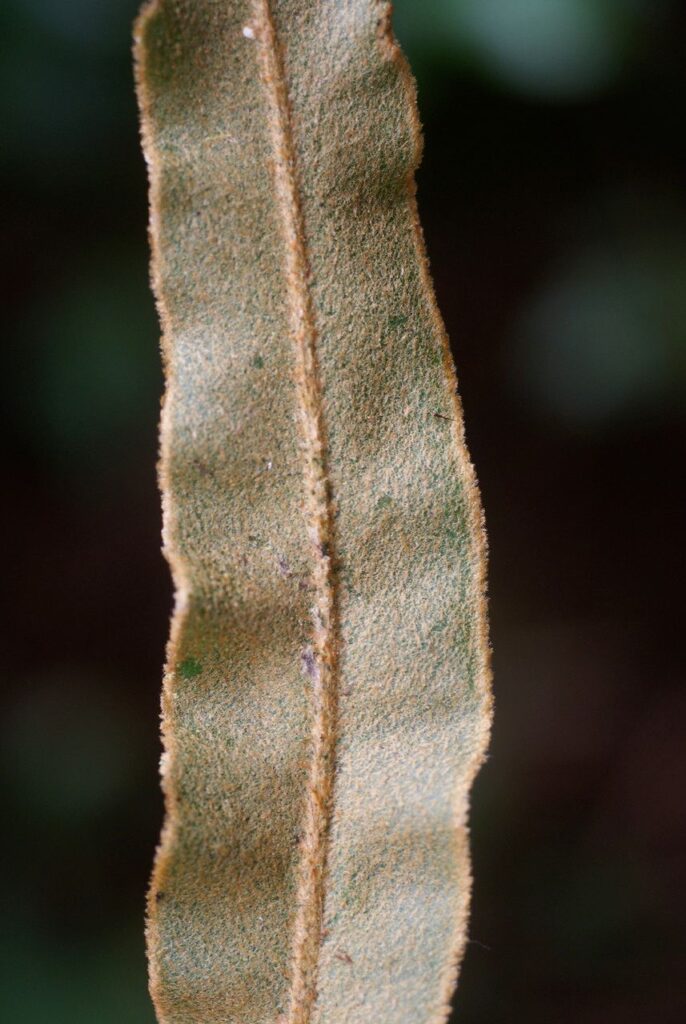
Unlocking the Secrets of Elaphoglossum lancifolium Propagation: A Guide to Multiplying Your Fern Treasures
Elaphoglossum lancifolium, with its delicate, tongue-shaped fronds, adds a touch of understated elegance to any indoor jungle. While relatively low-maintenance, successfully propagating this epiphytic fern can seem like a mystical art form. Fear not, fellow plant enthusiasts! This guide will demystify Elaphoglossum lancifolium propagation, equipping you with the knowledge to multiply your fern treasures.
Understanding the Basics:
Before diving into the specifics, let’s understand how Elaphoglosssum lancifolium naturally reproduces. Unlike many ferns that spread through spores, this species employs a clever method: plantlets. These miniature versions of the parent plant develop on mature fronds, ready to embark on their own growth journey.
Two Paths to Propagation:
1. Plantlet Propagation:
- Timing is Key: Look for plantlets with a developed root system, typically appearing as a small cluster of roots at the base.
- Gentle Removal: Carefully detach the plantlet from the parent frond using a clean, sharp knife or scissors.
- Potting Up: Prepare a small pot with a well-draining, airy potting mix ideal for epiphytes (a mix of sphagnum moss, perlite, and orchid bark works well). Gently nestle the plantlet, ensuring the roots are covered but the base of the plant sits level with the soil surface.
- Creating a Humid Haven: Place the potted plantlet in a humidity dome or cover with a clear plastic bag to maintain high humidity.
- Bright, Indirect Light: Choose a spot with filtered sunlight, avoiding direct sun that can scorch the delicate fronds.
- Patience is Rewarded: Keep the soil consistently moist but not waterlogged. With patience and proper care, the plantlet will establish itself and thrive.
2. Spore Propagation (Advanced):
- Spore Collection: This method is more challenging but rewarding for the adventurous gardener. Locate mature spores on the underside of the fronds. They appear as small, brownish dots clustered in lines. Gently scrape them onto a clean sheet of paper.
- Spore Sowing: Prepare a sterilized seed tray with moist, sterile seed-starting mix. Sprinkle the spores thinly over the surface without burying them.
- Warmth and Humidity: Cover the tray with a plastic dome or wrap to create a humid, warm environment. Place it in a brightly lit area out of direct sunlight.
- Gametophyte Stage: Be patient! Germination can take several weeks, resulting in a thin, heart-shaped structure called a gametophyte.
- Fertilization: Water the gametophytes with non-chlorinated water, allowing them to fertilize and eventually develop into sporophytes (the recognizable fern form).
- Transplanting: Once the sporophytes are large enough to handle, carefully transplant them into individual pots following the same care guidelines for plantlets.
Tips for Success:
- Hygiene Matters: Always use sterilized tools and potting mixes to prevent fungal or bacterial contamination.
- Don’t Overwater: Elaphoglossum lancifolium prefers moist but not soggy conditions. Allow the top inch of the potting mix to dry slightly between waterings.
- Embrace the Mist: Regularly misting your propagated ferns will mimic their natural environment and keep them happy.
Propagating Elaphoglossum lancifolium might seem daunting at first, but with a little understanding and care, you can master these techniques. Enjoy the journey of nurturing new life and watch your collection of these elegant ferns flourish!