
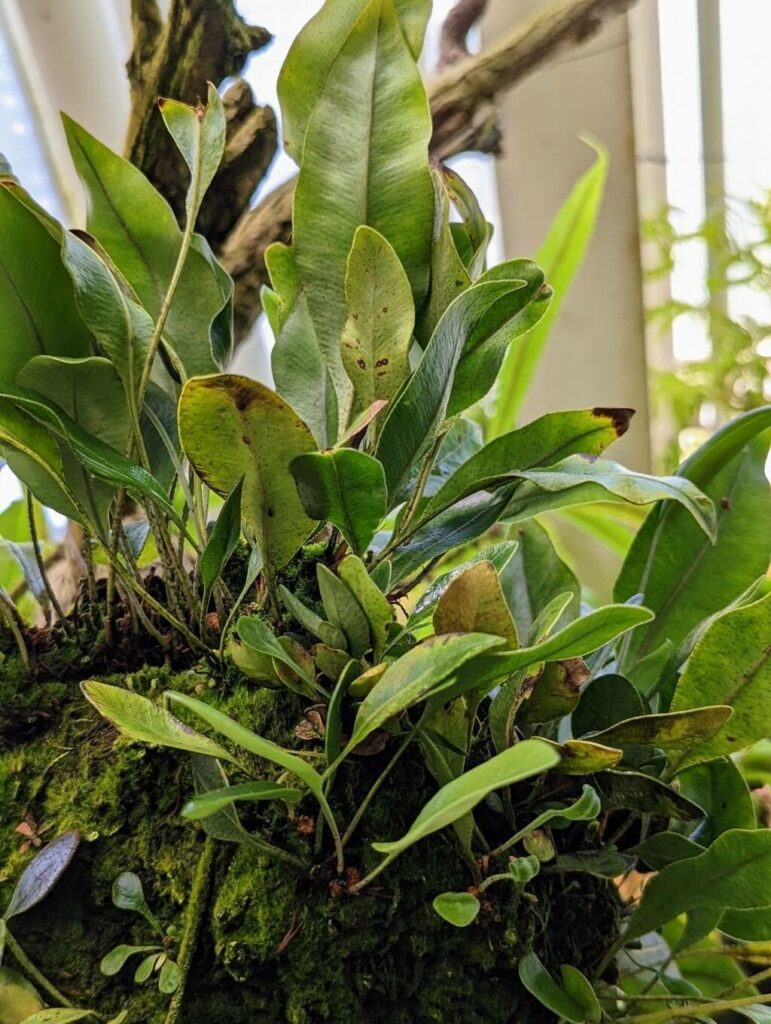
Unleash the Beauty: Propagating Your Elaphoglossum Proximum
The Elaphoglossum proximum, with its captivatingly textured fronds and vibrant green hues, is a true gem in the world of ferns. But did you know that this stunning plant can be easily propagated, allowing you to multiply your collection and share the wonder with others?
Here’s a deep dive into the world of Elaphoglossum proximum propagation, empowering you to grow more of these captivating beauties:
The Power of Spores
The Elaphoglossum proximum, like many ferns, reproduces primarily through spores. These tiny dust-like particles, found on the underside of the fronds, are the plant’s “seeds.”
Step-by-Step Propagation: From Spore to Fern
-
Harvest the Spores: Locate the brown, raised areas on the underside of mature fronds, known as sporangia. Gently scrape these areas into a clean container, collecting the spores.
-
Prepare the Seedbed: Fill a shallow, sterile tray with a mixture of peat moss and perlite, keeping it slightly moist. Smooth the surface and create small indentations to help the spores settle in.
-
Sowing the Spores: Sprinkle the spores thinly across the seedbed, ensuring even distribution. Lightly mist the surface with water.
-
Create Ideal Conditions: Seal the tray with a clear plastic wrap to create a humid environment. Place the tray in a warm, shaded area, avoiding direct sunlight.
-
Patience is Key: Germination can take several weeks or even months, so be patient. Maintain a constant moisture level, gently misting when needed.
-
The First Fronds: Once tiny, heart-shaped “gametophytes” emerge, they will eventually develop into miniature ferns.
- Transplanting Time: Once the seedlings grow a few true fronds, gently transplant them into individual pots filled with a well-draining potting mix.
Alternative Methods: Division and Tissue Culture
While spore propagation is the most common method, Elaphoglossum proximum can also be propagated through division and tissue culture.
Division: This method involves carefully separating a mature clump into smaller plants. This technique allows for faster growth but is less efficient for large-scale propagation.
Tissue Culture: This specialized method involves cultivating plant cells in a controlled environment and is best suited for commercial propagation.
Tips for Success:
- Water Wisely: Keep the potting mix consistently moist, but avoid overwatering.
- Bright, Indirect Light: Provide ample light, but protect your ferns from direct sunlight.
- Humidity is Key: Ensure high humidity levels, especially during the growing season.
- Fresh Air: Provide good air circulation to prevent fungal diseases.
From Seed to Spectacle:
Propagating your Elaphoglossum proximum is a rewarding experience, allowing you to grow your own miniature jungle. By understanding the simple steps and providing conducive conditions, you can enjoy the beauty of these ferns for years to come. So, unleash your inner green thumb and embark on this exciting journey of propagation. You’ll be amazed at the captivating results!