
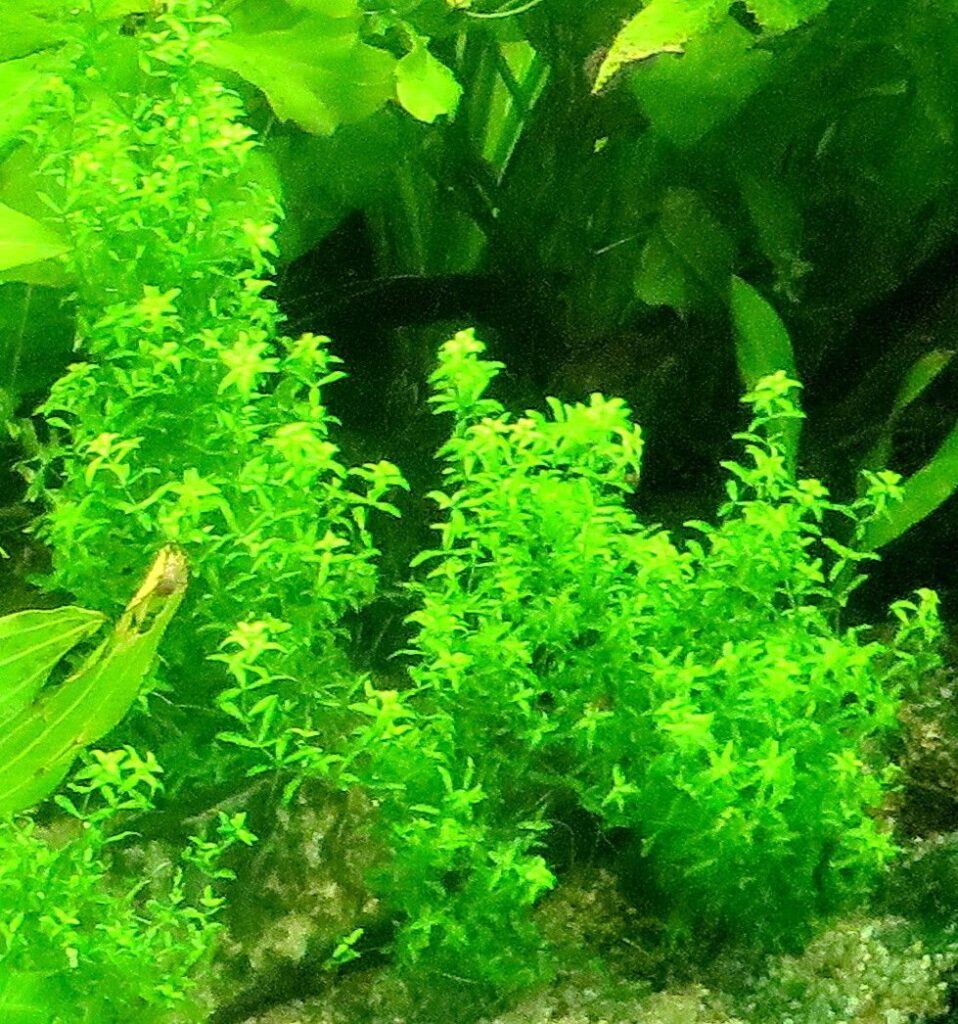
Tiny Plant, Big Impact: Mastering Elatine Triandra Propagation
Elatine triandra, also known as Three-Stamen Waterwort, is an often overlooked aquatic plant with massive potential. This delicate beauty forms lush green carpets underwater, adding a touch of natural elegance to aquariums and ponds. While it can be a bit finicky, successfully propagating Elatine triandra is incredibly rewarding, giving you a constant supply of this sought-after plant.
This guide will walk you through the ins and outs of Elatine triandra propagation, equipping you with the knowledge to multiply your stock and create breathtaking aquascapes.
Understanding the Fundamentals
Before diving into the methods, let’s get familiar with how Elatine triandra grows. This species thrives in submerged conditions, preferring still or slow-moving water. It spreads through lateral runners that grow along the substrate, sending up new shoots at regular intervals. These shoots develop roots and eventually become independent plants.
Elatine triandra appreciates moderate to high light levels and nutrient-rich water. Providing these optimal conditions will not only keep your plants healthy but also encourage vigorous growth, leading to more successful propagation.
Two Approaches to Propagation
There are two primary methods for propagating Elatine triandra:
1. Runner Separation:
This is the simplest and most common approach, leveraging the plant’s natural growth habit.
- Identify healthy runners: Look for robust lateral stems with multiple nodes and new shoots.
- Carefully separate: Using sharp, sterilized scissors or shears, cut the runner, leaving at least 2-3 nodes on the new plantlet.
- Plant the cutting: Gently press the cut end into the substrate, ensuring at least one node is buried.
- Patience is key: It takes a few weeks for the new plantlet to establish roots and start growing independently.
2. Seed Propagation (Advanced):
While less common and more challenging, propagating Elatine triandra from seed offers a rewarding experience for dedicated enthusiasts.
- Obtaining seeds: Seeds are rarely available commercially but can be collected from mature plants if they flower and produce seed pods.
- Preparing for sowing: Create a suitable substrate using fine sand or a specialized aquatic plant soil.
- Sowing the seeds: Scatter the tiny seeds over the substrate without burying them, as they require light to germinate.
- Maintaining humidity: Cover the container with a transparent lid or plastic wrap to create a humid environment.
- Germination and growth: Expect germination within 2-4 weeks. Once seedlings have developed a few leaves, they can be carefully transplanted.
Essential Tips for Success
Whether you choose runner separation or seed propagation, keep these tips in mind:
- Water parameters: Maintain a pH of 6.0-7.5 and water hardness between 3-8 dGH.
- Lighting: Provide moderate to high light intensity for at least 8 hours daily.
- Nutrients: Regularly dose the water column with a comprehensive liquid fertilizer designed for aquatic plants.
- CO2 injection (optional): While not mandatory, supplementing CO2 can significantly boost growth and propagation success.
- Patience and observation: Elatine triandra can be a slow grower, especially initially. Be patient and closely monitor the plants for any signs of stress or nutrient deficiencies.
Conclusion
Propagating Elatine triandra might seem daunting initially, but with the right knowledge and careful attention, you can master this process and enjoy the beauty of this captivating plant in abundance. Start with runner separation for a simpler approach, and once you feel confident, consider delving into the world of seed propagation for a truly rewarding experience. Remember, patience and consistent care are your greatest allies in this exciting journey.