
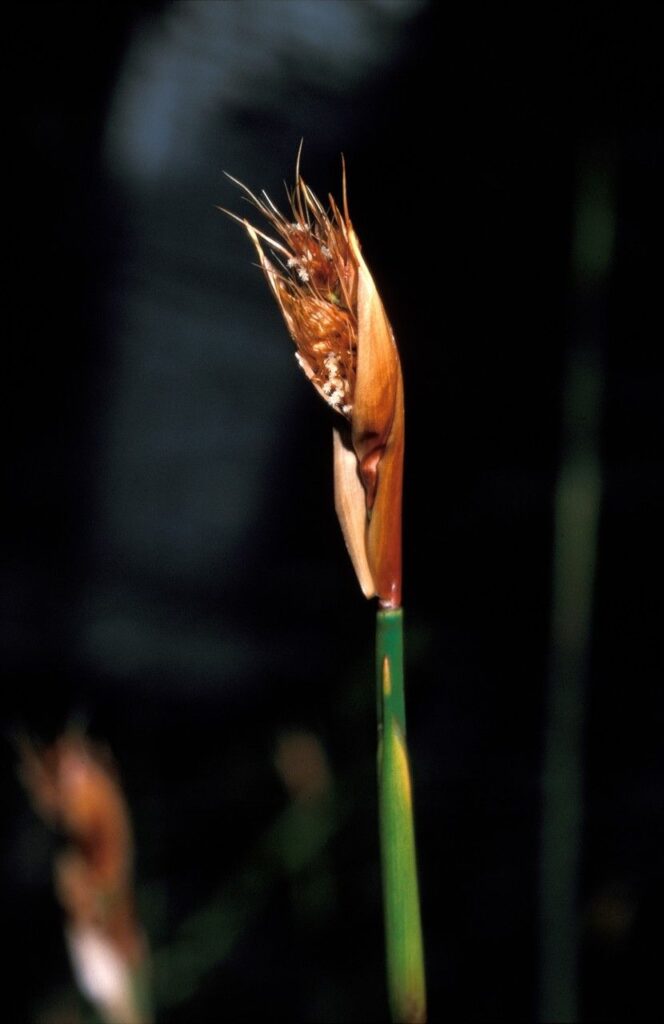
Taming the Restio: Propagating Elegia cuspidata for Architectural Elegance
Elegia cuspidata, also known as Cape Thatching Reed or Horsetail Restio, is a plant that commands attention. Native to the windswept slopes of South Africa, this architectural marvel, with its tall, slender stems and delicate, cascading foliage, adds a touch of dramatic elegance to gardens across the globe. But taming this captivating plant isn’t just about admiring its unique beauty; propagating Elegia cuspidata can be a rewarding experience for any plant enthusiast.
While Elegia cuspidata can be grown from seed, it can be a somewhat unreliable and lengthy process. Instead, propagation through division offers a more straightforward and efficient method. So, if you’re ready to welcome more of this striking plant into your garden, follow our step-by-step guide to successful Elegia cuspidata propagation:
1. Timing is Key:
The optimal time to divide Elegia cuspidata is during its active growing season, which typically falls in spring or early summer. This allows the divisions to establish themselves before the onset of colder weather.
2. Gather Your Tools:
Before you begin, gather the following:
- Sharp, clean pruning shears or a saw: Elegia stems can be tough, so ensure your tools are up to the task.
- Gloves: Protect your hands from the plant’s sharp edges.
- Potting mix: A well-draining mix is crucial. Choose a mix specifically formulated for succulents or amend a standard potting mix with perlite or sand.
- Pots: Select pots slightly larger than the divisions you’ll be making.
3. Divide and Conquer:
- Carefully select a healthy clump from your established Elegia cuspidata plant.
- Using your shears or saw, cut through the rhizome, dividing the clump into smaller sections. Ensure each division has a good amount of roots and stems attached.
- Trim back any damaged or excessive foliage to reduce stress on the newly divided plants.
4. Potting Your Divisions:
- Fill your chosen pots with the well-draining potting mix.
- Plant your divisions at the same depth they were previously growing, ensuring the crown of the plant (where the stems meet the roots) is level with the soil surface.
- Water thoroughly, allowing excess water to drain.
5. Nurturing New Growth:
- Place your newly potted divisions in a bright location, but avoid direct sunlight initially as it can scorch the tender new growth.
- Keep the soil consistently moist, but not waterlogged.
- As the plants establish themselves and new growth emerges, gradually introduce them to more sunlight.
Patience is a Virtue:
While Elegia cuspidata is relatively fast-growing, it may take some time for your divisions to fully establish. Be patient and continue providing consistent care, and soon you’ll be rewarded with a flourishing display of these architectural wonders in your garden.
Bonus Tip: Elegia cuspidata prefers full sun to partial shade and enjoys well-draining soil. Once established, it’s relatively drought-tolerant, making it a low-maintenance and visually stunning addition to any landscape.
By following these simple steps, even novice gardeners can successfully propagate Elegia cuspidata and enjoy the unique beauty of this captivating plant for years to come!