
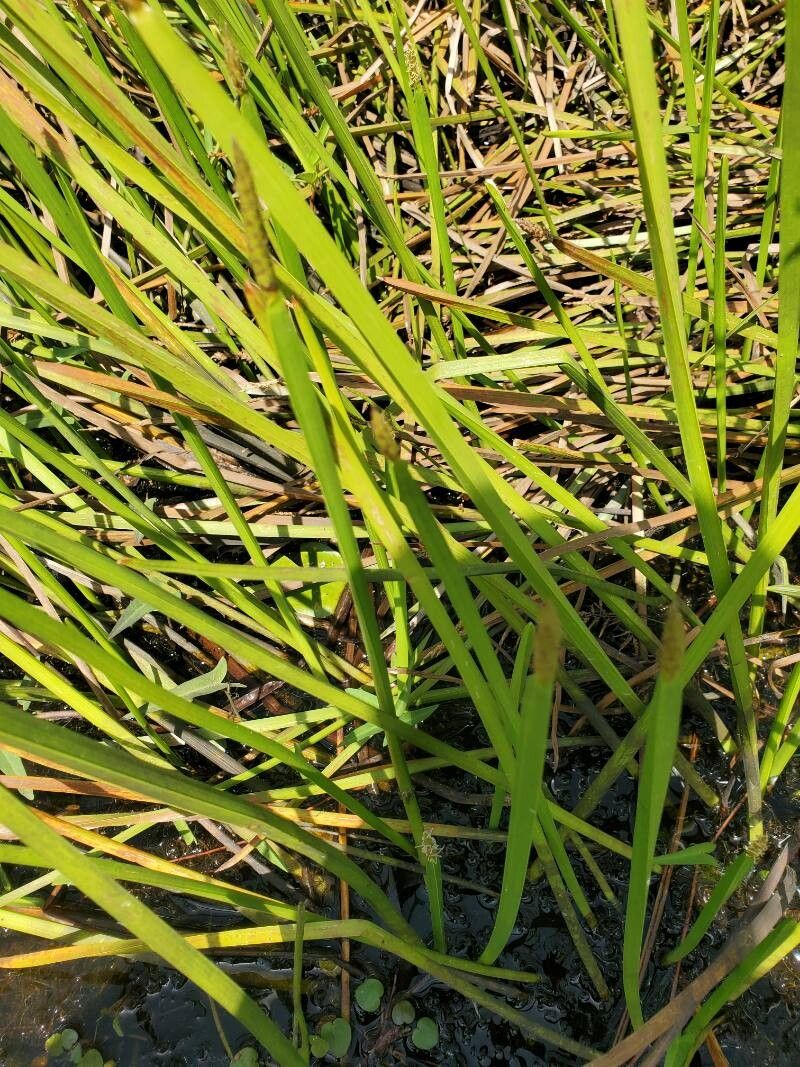
Propagating Eleocharis acutangula: A Guide to Cultivating the Sharp-angled Spike-rush
Introduction
Eleocharis acutangula, commonly known as the sharp-angled spike-rush, is a charming aquatic or semi-aquatic plant prized for its delicate, bright green foliage and its ability to thrive in damp conditions. Its slender, needle-like leaves create a lush, textured appearance, making it a popular choice for aquascaping, bog gardens, and even as a marginal plant in ponds. While relatively low-maintenance when established, propagation can present unique challenges, making successful cultivation all the more rewarding. Its popularity stems from its aesthetic appeal and its adaptability to a range of water conditions.
Seed Germination:
Currently, there are no known reliable methods for seed germination propagation of Eleocharis acutangula. While the plant does produce seeds, their germination rates are reportedly extremely low, and consistent success has not been documented in horticultural settings. Further research into the precise environmental conditions required for seed germination may be needed to unlock this propagation method.
Cuttings:
Cuttings are a potentially viable, albeit challenging, method for propagating Eleocharis acutangula.
Challenges: The relatively delicate nature of the stems makes handling crucial. Poor rooting success is likely if cuttings are not taken from healthy, actively growing plants and are not provided suitable humid conditions.
Practical Tips: Take cuttings of approximately 5-10 cm in length from robust, healthy stems. Plant them directly into a consistently moist substrate, such as a mix of aquatic soil and sand, ensuring at least partial submergence. High humidity, provided by a cloche or humidity dome, significantly improves rooting success. Keep the substrate consistently moist but not waterlogged.
Rewards: Successful propagation via cuttings offers a relatively quick method for increasing the number of plants, and the new plants will generally be genetically identical to the parent plant, preserving desirable traits.
Division:
Division is the most reliable and widely practiced method for propagating Eleocharis acutangula.
Challenges: Care must be taken to avoid damaging the delicate root system during division. Overly small divisions may struggle to establish themselves.
Practical Tips: Divide established clumps during the active growing season (spring or early summer). Gently separate the clump into several smaller divisions, ensuring each division has a healthy portion of roots and stems. Plant the divisions immediately into a suitable substrate, maintaining consistent moisture levels.
Rewards: This method ensures relatively high success rates and is a simple, effective means of propagating the plant in a relatively short time.
Tissue Culture:
Tissue culture is a technically demanding method and is not routinely used for Eleocharis acutangula propagation.
Challenges: Establishing sterile conditions and developing a suitable nutrient medium are technically difficult and require specialized equipment and expertise.
Practical Tips: This method requires a controlled lab environment and specialized knowledge. While potentially offering large-scale propagation, the high setup cost and specialized knowledge make it impractical for home gardeners.
Rewards: Tissue culture offers the potential for rapid and large-scale propagation, and would allow for virus-free stock production.
Conclusion
Propagating Eleocharis acutangula presents unique challenges. While seed germination remains unreliable, division offers the most practical and rewarding approach for home cultivators. Cuttings offer another avenue, though success demands care and attention. Tissue culture, while potentially highly effective, is far beyond the reach of most home gardeners. The difficulties involved in propagating this plant only serve to heighten the satisfaction experienced when successfully establishing new thriving clumps. The delicate beauty of Eleocharis acutangula is a worthy reward for the patient and persistent propagator. Don’t be discouraged by initial setbacks – persistence and attention to detail are key to successful cultivation.