
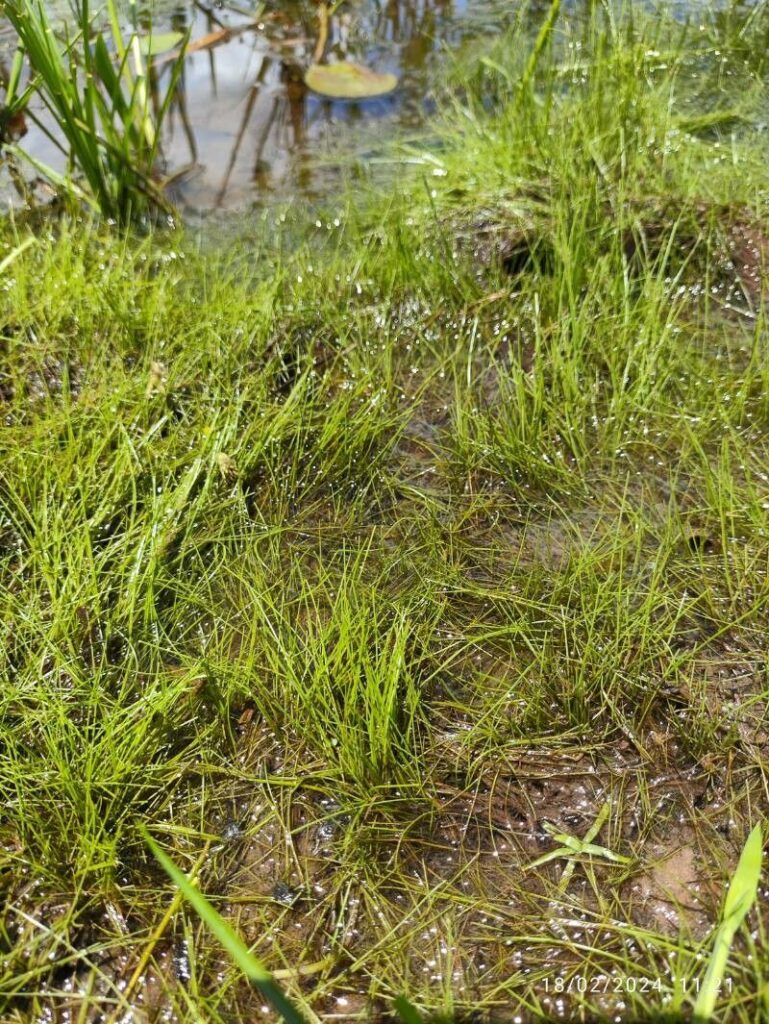
Multiply Your Meadow: A Guide to Propagating Eleocharis Baldwinii
Eleocharis baldwinii, affectionately known as “baldwin’s spikerush” or simply “hairgrass,” is a charming aquatic plant gaining popularity among aquarium and pond enthusiasts. Its delicate, hair-like foliage adds a touch of whimsical beauty and provides valuable cover for fish and invertebrates. If you’re smitten with this grass-like marvel and want more of it gracing your waterscape, you’re in luck! Propagating Eleocharis baldwinii is surprisingly straightforward, and this guide will walk you through the process.
Understanding the Basics
Before diving in, it’s helpful to understand how Eleocharis baldwinii naturally multiplies. This plant spreads primarily through rhizomes, which are underground stems that grow horizontally and sprout new shoots. This process, known as “vegetative propagation,” is the key to successfully multiplying your hairgrass.
Two Methods for Propagation:
There are two primary methods for propagating Eleocharis baldwinii:
1. Division: This technique involves splitting established clumps of hairgrass into smaller portions, each containing a healthy network of rhizomes and shoots.
- Timing: While division can be done throughout the year, it’s best undertaken during the growing season (spring or summer) when the plant is actively producing new growth.
- Process:
- Gently uproot a mature clump of Eleocharis baldwinii from your aquarium or pond.
- Using sharp, clean scissors or shears, carefully divide the clump into smaller portions. Each portion should have a good amount of healthy roots and shoots.
- Replant these divisions directly into your substrate, ensuring the rhizomes are buried and the crown (where the shoots emerge) sits slightly above the substrate surface.
2. Runners: Eleocharis baldwinii also sends out lateral runners, or stolons, which sprout new plantlets at their nodes. You can utilize these runners for propagation too!
- Timing: Similar to division, propagating from runners is best during the growing season.
- Process:
- Identify healthy runners extending from your main Eleocharis baldwinii clumps.
- Using sharp scissors or your fingers, carefully pinch off or cut a section of the runner containing at least one or two nodes and a small plantlet.
- Plant this section directly into your substrate, ensuring the node is buried and the plantlet is above the surface.
Caring for Your New Propagations
Once planted, your Eleocharis baldwinii divisions or runner cuttings will need a little TLC to thrive:
- Lighting: Provide moderate to high lighting for optimal growth.
- Nutrients: A nutrient-rich substrate or the use of liquid fertilizers will benefit your hairgrass tremendously, encouraging strong root development and lush foliage.
- CO2 Injection: While not strictly necessary, CO2 injection can significantly boost growth and create dense, vibrant carpets of Eleocharis baldwinii.
Patience is Key
Remember, propagating Eleocharis baldwinii requires some patience. It might take a few weeks for the new plants to establish themselves and start producing significant new growth. But with proper care, your patience will be rewarded with a flourishing meadow of this beautiful and versatile aquatic plant.