
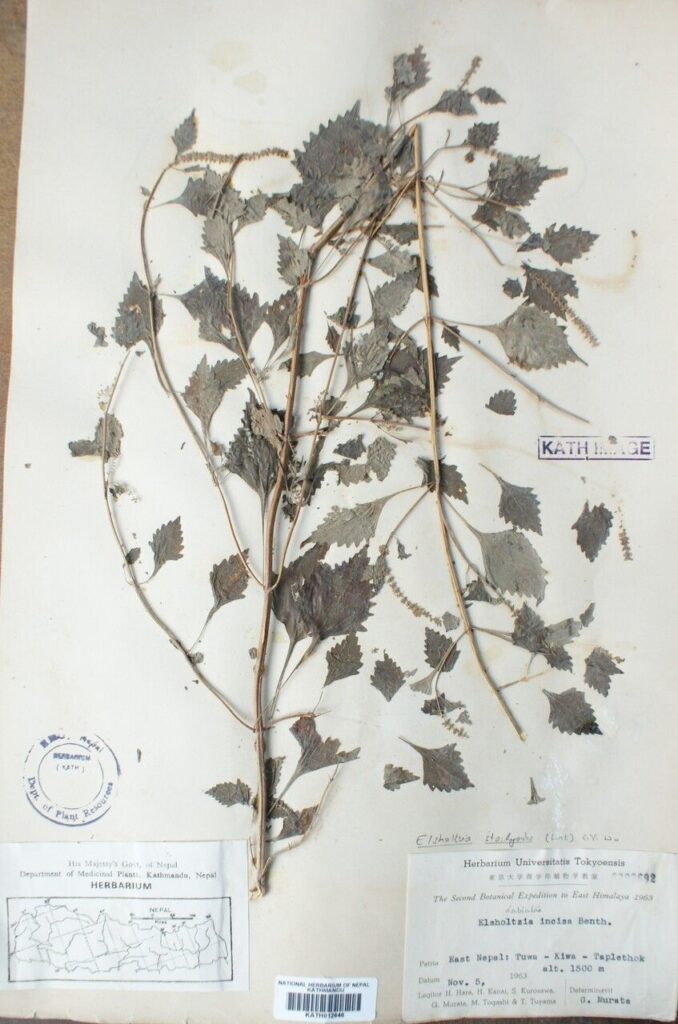
Unlocking the Secrets of Elsholtzia stachyodes: A Propagation Guide for Aromatic Abundance
Elsholtzia stachyodes, also known as the Vietnamese Balm or Xi Xian Cao, is a treasure trove of medicinal and culinary uses, tucked away in an unassuming package. This Southeast Asian native boasts vibrant green foliage, delicate purple flowers, and a captivating aroma reminiscent of mint and licorice. If you’re looking to invite this versatile herb into your garden, propagating your own Elsholtzia stachyodes is a rewarding endeavor.
This guide delves into the most effective propagation methods, empowering you to nurture new life from existing plants and expand your aromatic haven.
Embracing the Power of Cuttings:
Stem cuttings are the most popular and reliable method for propagating Elsholtzia stachyodes. The process is straightforward and boasts high success rates if you follow these steps:
-
Timing is key: Take your cuttings in the early morning during spring or early summer, when the plant is actively growing. Aim for healthy, non-flowering stems around 4-6 inches long.
-
Clean and precise cuts: Using a sharp, sterilized knife or pruning shears, make a clean cut just below a leaf node (where the leaf joins the stem). Remove the lower leaves, leaving 2-3 pairs at the top.
-
Hormonal boost (optional): While not mandatory, dipping the cut end in rooting hormone powder can encourage faster and stronger root development.
-
Planting medium: Choose a well-draining potting mix, or create your own using equal parts peat moss, perlite, and vermiculite.
-
Creating the perfect environment: Insert the cuttings into the prepared medium, ensuring at least one leaf node is buried. Water gently, and cover the pot with a clear plastic bag or humidity dome to maintain moisture.
-
Patience is a virtue: Place the pot in a warm, bright location, avoiding direct sunlight. Mist the cuttings regularly to keep the environment humid. Within a few weeks, you should notice new growth, indicating successful rooting.
- Transplanting success: Once the cuttings have developed a strong root system (usually after 4-6 weeks), transplant them into individual pots or your garden bed.
Exploring Propagation Alternatives:
While cuttings reign supreme, Elsholtzia stachyodes can also be propagated through seeds, though this method can be more time-consuming and less predictable:
-
Seed starting: Sow Elsholtzia stachyodes seeds in a seed starting mix, lightly covering them with soil. Maintain consistent moisture and warmth. Germination can take anywhere from a few weeks to a couple of months.
- Division: Mature plants can be divided in early spring. Carefully dig up the plant, separating the root ball into sections, each containing healthy shoots. Replant the divisions at the same depth they were previously growing.
Nurturing Your Aromatic Bounty:
Once your new Elsholtzia stachyodes plants are established, provide them with adequate care to thrive:
-
Sunlight: Elsholtzia stachyodes thrives in full sun to partial shade.
-
Watering: Water regularly, allowing the soil to dry slightly between waterings.
-
Soil: Well-draining soil is crucial to prevent root rot.
-
Fertilizing: Feed with a balanced fertilizer every 4-6 weeks during the growing season.
- Pruning: Regular pinching back encourages bushier growth and a more abundant harvest.
By mastering these propagation techniques, you can unlock the boundless potential of Elsholtzia stachyodes. Fill your garden and home with its mesmerizing aroma, delightful flavor, and remarkable therapeutic properties, all while reveling in the satisfaction of nurturing new life from the ground up.