
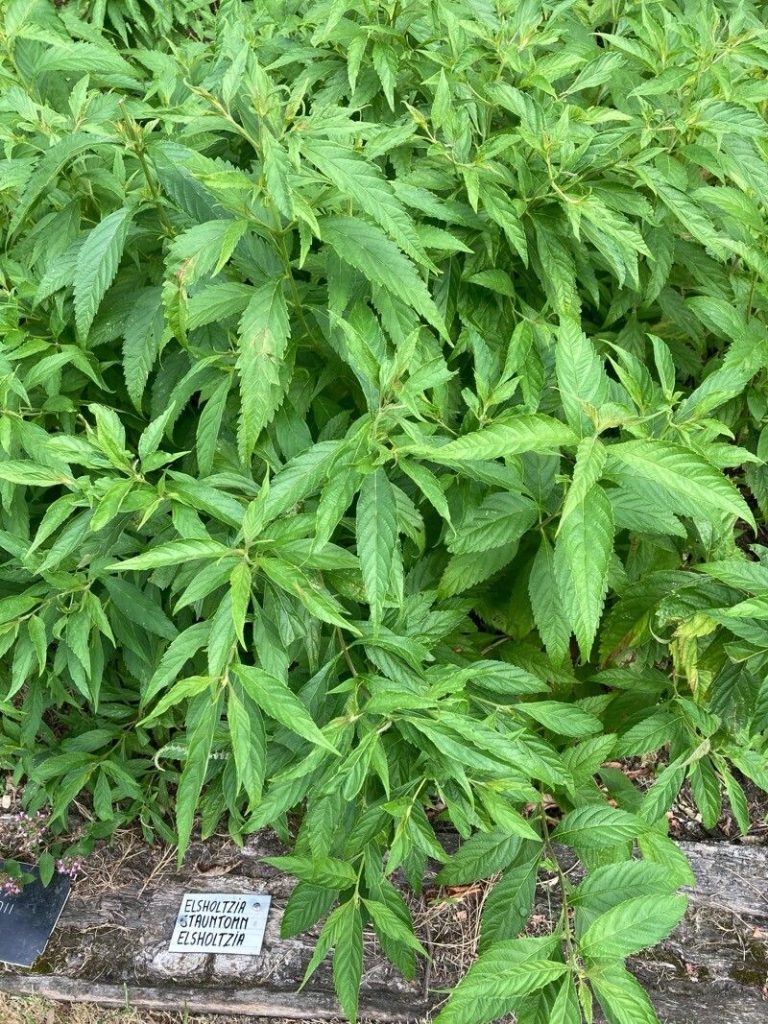
Propagating Elsholtzia stauntonii: A Gardener’s Guide
Elsholtzia stauntonii, commonly known as Korean mint or Korean licorice plant, is a charming herbaceous perennial prized for its aromatic foliage and attractive purple flowers. Its delightful scent, reminiscent of licorice and mint, makes it a favourite among gardeners, particularly those interested in culinary or medicinal herbs. Its relatively compact size and ease of care (once established) contribute further to its popularity. However, propagating this delightful plant can present some unique challenges. This article explores several propagation methods, assessing their viability and offering practical guidance.
Seed Germination:
Currently, there are no known reliable methods for seed germination propagation of Elsholtzia stauntonii. While the plant produces seeds, their germination rate is notoriously low, and success is largely unpredictable. Further research into specific stratification techniques or germination stimulants may be required to unlock the potential of seed propagation for this species.
Cuttings:
Cuttings offer a more reliable method for propagating Elsholtzia stauntonii. Challenges: Taking cuttings requires a degree of skill and patience, and not all cuttings will root successfully. The success rate is influenced by several factors, including the timing of the cuttings (ideally, semi-hardwood cuttings in late summer or early fall), the use of rooting hormone, and maintaining appropriate humidity and temperature. Tips: Take 4-6 inch cuttings from healthy, non-flowering stems. Remove lower leaves to prevent rot. Dip the cut ends in a rooting hormone powder before planting in a well-draining mix of perlite and peat moss. Keep the cuttings consistently moist but not waterlogged, under a humidity dome or plastic bag to maintain high humidity. Rewards: This method offers relatively quick propagation and produces genetically identical plants, ensuring uniformity in your garden.
Division:
Division is perhaps the easiest and most successful method for propagating Elsholtzia stauntonii. Challenges: This method is only viable when the plant is established and sufficiently large, typically after a couple of years. Division requires carefully separating the rhizomes, ensuring each section has healthy roots and sufficient foliage. Improper division can damage the plant, hindering its growth or even leading to its death. Tips: Divide the plant in spring or early autumn, when the plant is actively growing or starting to become dormant. Ensure each division has a healthy portion of root and stem. Replant the divisions immediately into well-prepared soil. Water gently after planting. Rewards: Division provides a quick way to increase the number of plants and is generally very successful.
Tissue Culture:
Tissue culture offers the potential for large-scale propagation of Elsholtzia stauntonii, but it’s a highly specialized technique requiring laboratory equipment and expertise. Challenges: Tissue culture is expensive, labor-intensive, and requires a sterile environment to prevent contamination. Optimizing the culture media and growth conditions for Elsholtzia stauntonii may require experimentation and specialized knowledge. Tips: This method is best left to professionals or researchers with access to the necessary facilities and expertise. Rewards: High propagation rates and the ability to produce disease-free plants are significant advantages of tissue culture.
Conclusion:
Propagating Elsholtzia stauntonii presents unique challenges depending on the chosen method. While seed germination remains unreliable, cuttings and division offer viable options for the home gardener, with division being the most straightforward. Tissue culture offers great potential for large-scale propagation, though it requires specialized knowledge and resources. The satisfaction derived from successfully propagating this fragrant plant, overcoming the challenges inherent in each method, is undeniably rewarding. For the aspiring propagator, don’t be discouraged by initial setbacks. Experimentation, patience, and careful attention to detail are key to success with Elsholtzia stauntonii. Begin with division if your plant is mature enough, and consider cuttings as a second, more challenging but equally rewarding option.