
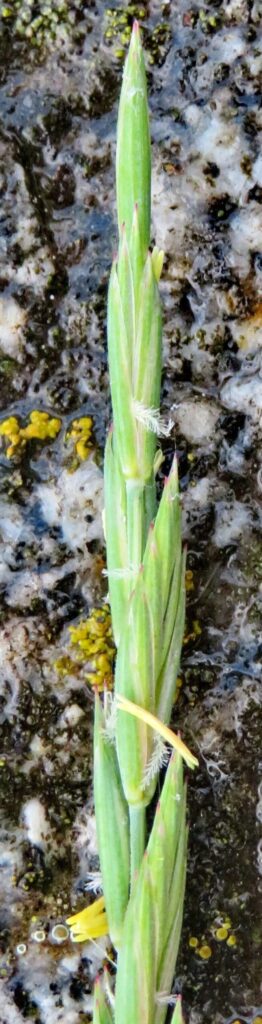
The Curious Case of Couch Grass: How to (and How Not to) Propagate Elymus repens
You might know it as “couch grass,” “twitch grass,” or even “quackgrass.” Whatever you call it, Elymus repens is a notorious plant, often unwelcome in lawns and gardens. This tenacious grass is famous for its aggressive spreading habits, thanks to its extensive network of underground rhizomes. But while it’s a gardener’s bane, its resilience and adaptability also make it an intriguing plant to propagate – if you know how.
A Root of the Problem:
Elymus repens relies heavily on its rhizomes for propagation. These thick, creeping underground stems sprout roots and shoots at intervals, allowing the plant to quickly colonize new territory. It’s practically a botanical hydra; cut off a piece of rhizome, and several new plants spring up! This powerful reproductive strategy is what makes it so difficult to control in lawns and gardens. It’s a master of survival, and even a small fragment can re-establish itself.
But wait, there’s a use for this?
While Elymus repens is a dreaded weed in many contexts, its tenacious nature makes it a valuable plant in specific situations. It can be a soil stabilizer on vulnerable slopes or help prevent erosion along riverbanks. Its dense root system holds the soil together, even in challenging conditions. As an eco-friendly alternative to chemical herbicides, Elymus repens can be strategically managed to suppress the growth of more invasive weeds. In some cases, it’s even used as a ground cover or for animal fodder.
How to Propagate – with Caution!
If you decide to use Elymus repens for one of these reasons, understanding its propagation is key. Here’s how to do it safely and effectively:
- Start with a Healthy Rhizome: Locate a vigorous plant where the grass is thriving. Remember, this plant is a prolific spreader, so you need to be extremely careful to keep it contained.
- Divide and Conquer: Dig out a section of the rhizome, ensuring you have a healthy segment with several nodes. Disinfect your tools between sections to minimize the risk of disease.
- Plant with Care: Select a container or location where you want to establish Elymus repens. The rhizome must be planted horizontally beneath the soil, with the nodes facing upwards. Ensure adequate moisture to encourage root and shoot development.
- Control is Key: Regularly monitor the growth, and be prepared to remove any unwanted plants. A physical barrier, such as a thick layer of landscape fabric, might be necessary to contain its spread.
The bottom line?
Elymus repens is a fascinating plant with a complicated reputation. While it’s a formidable foe in the garden, its resilience and rapid growth make it a useful tool in specific situations. If you are interested in its propagation, remember the importance of careful containment. This plant’s ability to thrive is a double-edged sword – use it wisely, and you’ll be rewarded with its unique advantages.